Traditional Uses of Moroccan Medicinal Herbs: Cultural Roots and Modern Relevance

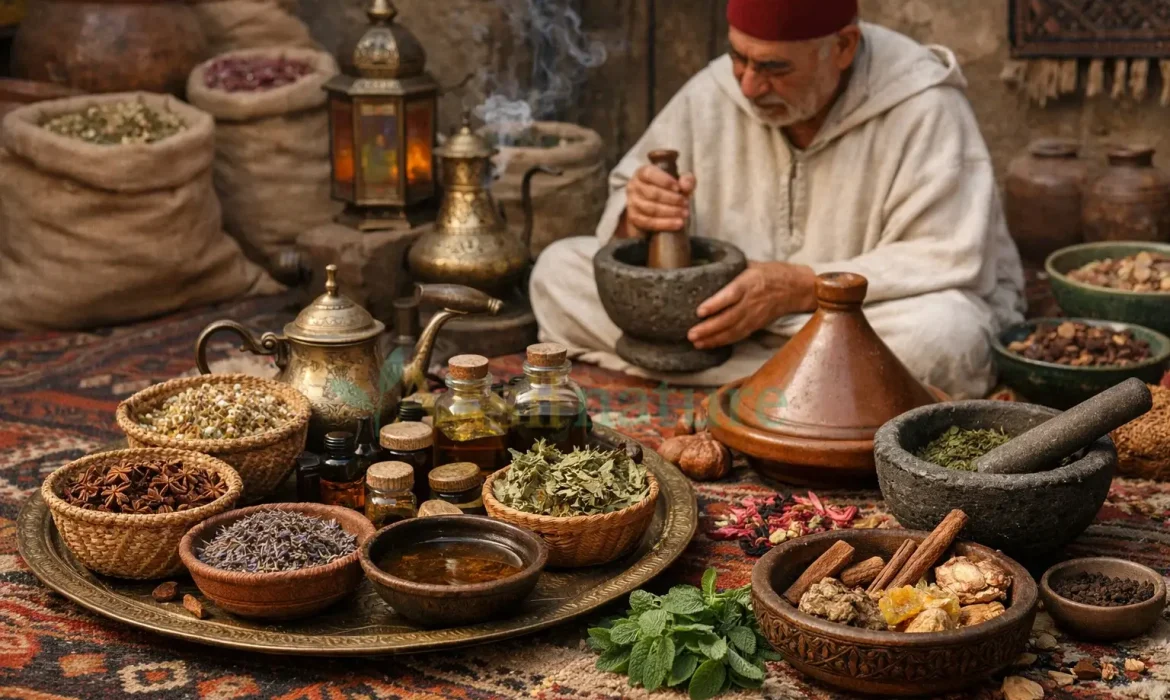
The traditional uses of Moroccan herbs reflect centuries of accumulated knowledge shaped by geography, climate, and cultural exchange. Across rural and urban communities, herbs were historically integrated into daily routines, food preparation, and artisanal practices rather than isolated medical systems.
For international buyers and ingredient professionals, understanding these traditional uses provides important context. It explains why Moroccan botanical materials are still valued today for their origin, handling traditions, and cultural credibility in global supply chains.
This article explores how traditional herbal practices in Morocco developed over time and how they continue to influence modern applications. Rather than focusing on therapeutic claims, it highlights heritage, sourcing logic, and relevance for contemporary industries.
Historical Foundations of Herbal Practices in Morocco
Herbal practices in Morocco developed through long-term interaction between local populations and their natural environment. Communities relied on observation, seasonal patterns, and repeated use to understand how plants behaved under different conditions.
Over time, this knowledge was influenced by Amazigh traditions, Arab-Islamic scholarship, and regional trade routes. As a result, Moroccan herbal culture evolved as a layered system rather than a single uniform approach.
Importantly, herbs were not viewed as isolated remedies. Instead, they formed part of broader lifestyle practices that included food preparation, preservation, hygiene, and craftsmanship. This practical integration shaped how plants were selected, stored, and exchanged.
For modern buyers, these historical foundations help explain why origin, region, and traditional handling methods still matter when evaluating Moroccan herbal raw materials for professional use.
Herbs in Daily Life, Cuisine, and Household Practices
In Morocco, herbs were traditionally part of everyday life rather than reserved for specialized uses. Households relied on locally available plants for cooking, food preservation, and basic domestic routines.
As a result, herbal knowledge developed through repeated daily interaction rather than formal instruction.
In culinary contexts, herbs such as thyme, rosemary, and mint were commonly used to enhance flavor and balance complex spice combinations. At the same time, their use reflected practical considerations related to storage conditions, seasonal availability, and ingredient compatibility.
Beyond cooking, herbs were integrated into household practices that supported cleanliness, freshness, and material care. For example, dried plants were used for natural scenting, while infused botanical solutions played a role in basic hygiene and textile maintenance.
These domestic applications helped communities develop a practical understanding of plant quality. Characteristics such as aroma strength, visual integrity, and moisture content became informal indicators of suitability. Today, these same criteria remain relevant for buyers assessing herbal raw materials for professional sourcing.
Therefore, traditional household use did more than preserve cultural habits. It established early standards of evaluation that continue to influence how Moroccan herbs are perceived in modern supply chains.
For insight into how botanical materials are evaluated in professional settings, see our article on laboratory assessment of herbal raw materials.
Transmission of Traditional Herbal Knowledge Across Communities
Traditional herbal knowledge in Morocco was primarily transmitted through community interaction and family experience. Rather than relying on written manuals, people learned through observation, repetition, and shared practice within their local environment.
In rural areas, this knowledge often passed from one generation to the next through daily activities. Harvesting, drying, and storing herbs became learning moments embedded in routine tasks. As a result, practical skills developed naturally over time.
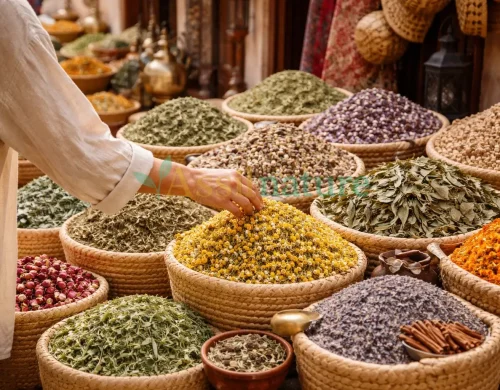
Urban centers also played an important role. Local markets served as informal hubs where herbalists, traders, and artisans exchanged materials and insights. These interactions helped standardize expectations related to appearance, aroma, and handling quality without formal regulation.
Moreover, regional variation shaped how knowledge evolved. Coastal, mountainous, and arid regions each developed distinct practices based on climate and available plant species. This diversity contributed to a broad and adaptable herbal culture rather than a fixed system.
For modern buyers, understanding this method of knowledge transmission offers valuable perspective. It explains why Moroccan herbs are often associated with strong regional identity and why origin continues to matter in professional sourcing decisions.
From Traditional Uses to Modern Industrial Applications
Over time, the traditional uses of Moroccan herbs began to influence modern industrial practices. As global demand for natural ingredients increased, manufacturers started to re-examine historical usage patterns as reference points rather than functional instructions.
In the cosmetics and personal care industries, Moroccan herbs are now selected for their aromatic profiles, botanical origin, and compatibility with clean-label formulations. Traditional familiarity with these plants has supported a smoother transition toward standardized extraction and formulation processes.
Similarly, food and beverage producers incorporate Moroccan herbs as natural flavoring and sensory components. In this context, heritage contributes to product identity while modern processing ensures consistency, safety, and regulatory compliance.
At the same time, laboratories apply analytical methods to validate quality parameters that were previously assessed through experience alone. Visual integrity, moisture levels, and aromatic concentration are now measured under controlled conditions.
Therefore, traditional knowledge does not replace modern standards. Instead, it provides a cultural framework that supports sourcing decisions when combined with traceability systems, documentation, and international specifications.
Regional Diversity and Its Impact on Traditional Herbal Practices
Morocco’s geographic diversity has played a decisive role in shaping traditional herbal practices. Coastal zones, mountain regions, plateaus, and arid areas each developed distinct approaches based on local climate, soil conditions, and plant availability.
In mountainous regions, communities traditionally relied on wild-growing species adapted to cooler temperatures and variable rainfall. As a result, harvesting practices emphasized timing, altitude, and careful drying to preserve plant integrity.
By contrast, coastal and lowland areas favored herbs associated with milder conditions and easier access to trade routes. These regions often became early exchange points, where botanical materials were sorted, combined, and redistributed.
Furthermore, arid and semi-arid zones encouraged selective use and careful conservation of resources. Limited availability led to practical methods focused on efficiency, storage stability, and reuse. These constraints shaped local expertise and reinforced attention to material quality.
For modern buyers, regional diversity explains why Moroccan herbs are rarely uniform in character. Origin-specific differences in aroma, texture, and appearance remain important considerations when sourcing botanical raw materials for professional applications.
Traditional Knowledge Versus Modern Documentation Standards
Traditional herbal knowledge in Morocco developed through experience and repeated practice rather than formal documentation. Communities relied on observation, seasonal awareness, and shared understanding to maintain consistency in how herbs were selected and handled.
However, modern international markets operate under different requirements. Buyers, laboratories, and manufacturers now depend on documented specifications, traceability records, and standardized quality parameters to ensure compliance and repeatability.
As a result, Moroccan herbal sourcing has evolved to bridge these two systems. Traditional selection criteria, such as visual integrity and aroma strength, are increasingly supported by written procedures, batch records, and analytical verification.
This transition does not diminish traditional expertise. Instead, it translates practical knowledge into formats that meet modern expectations. Documentation allows historical practices to be aligned with regulatory frameworks and global supply chain standards.
For international buyers, this alignment offers reassurance. It demonstrates that cultural heritage and modern compliance can coexist without compromising reliability, transparency, or scalability.
To explore the broader export and sourcing landscape, visit our complete overview of Moroccan medicinal herbs for global buyers.
Cultural Heritage as a Value Driver in Global Herbal Sourcing
The traditional uses of Moroccan herbs continue to shape how botanical materials are perceived in international markets. Rather than serving as historical references alone, these practices contribute to a broader understanding of sourcing logic, regional expertise, and material selection.
When cultural heritage is combined with modern quality systems, it strengthens supply credibility. Buyers gain clearer insight into why specific plants are valued, how they have been handled over time, and what expectations surround their consistency and integrity.
For global brands and laboratories, this balance offers practical advantages. It supports transparent communication, reinforces product narratives, and aligns origin-based value with documented standards. As a result, Moroccan herbs remain relevant across cosmetic, food, and natural ingredient industries.
Ultimately, cultural heritage functions as a strategic layer within professional sourcing. It adds context without replacing modern compliance, allowing Moroccan botanical materials to meet both traditional expectations and contemporary market requirements.
Frequently Asked Questions
What are the traditional uses of Moroccan herbs?
The traditional uses of Moroccan herbs developed through daily life, culinary practices, household routines, and artisanal traditions. These uses reflect cultural experience and regional knowledge rather than standardized medical systems.
Are traditional herbal uses in Morocco considered medical treatment?
No. Traditional uses describe cultural and practical applications. They do not represent medical or therapeutic claims in modern regulatory and commercial contexts.
Why are Moroccan herbs still relevant for modern industries?
Moroccan herbs remain relevant because cultural heritage supports sourcing logic and ingredient selection when combined with modern quality control, traceability, and compliance requirements.
How does cultural heritage influence sourcing decisions?
Cultural heritage helps buyers understand origin, regional variation, and traditional handling practices. This context supports more informed procurement and long-term supplier evaluation.
Do traditional practices affect quality evaluation today?
Yes. Traditional evaluation criteria such as aroma, visual integrity, and handling awareness still matter. Today, professionals verify these factors through documented processes and laboratory analysis.
Who benefits from understanding traditional herbal uses?
Importers, laboratories, cosmetic brands, and ingredient buyers benefit from this context because it supports product positioning, sourcing confidence, and communication around botanical origin.
Related Posts

How to Choose the Right Moroccan Herbal Supplier for Global Trade
Choosing the right Moroccan herbal supplier is a critical decision for global buyers operating in regulated and competitive markets. Supplier...

Blue Tansy Oil from Morocco: Cosmetic Industry Focus
Blue tansy oil from Morocco has gained increasing attention within the cosmetic industry due to its distinctive profile and growing relevance...
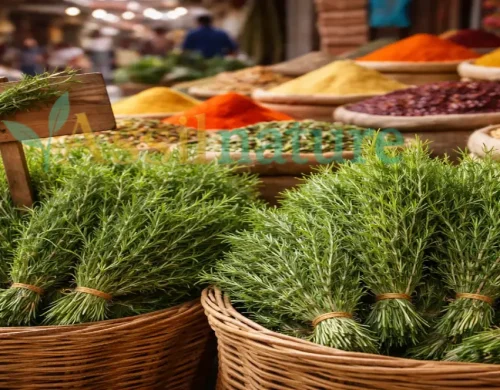
Rosemary from Morocco: Market Demand & Quality
Rosemary from Morocco is increasingly recognized in international markets for its consistent quality and broad commercial relevance. As...