 Mon - Fri: 9:00 - 19:00 GTM
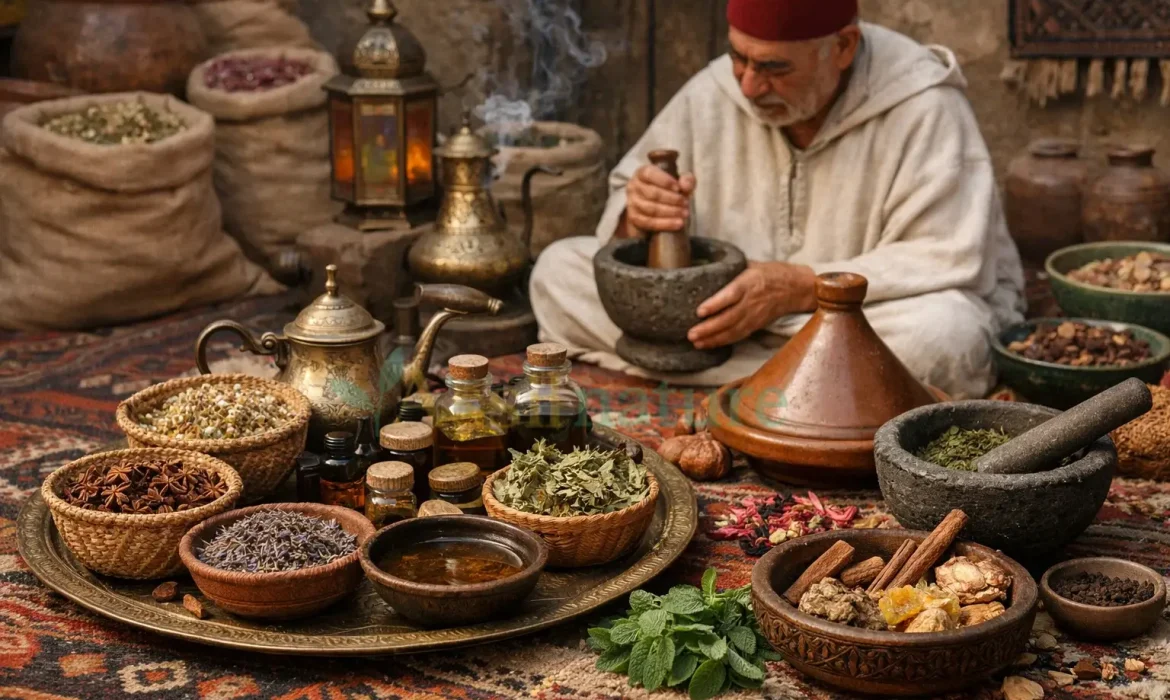
Traditional Uses of Moroccan Medicinal Herbs: Cultural Roots and Modern Relevance
The traditional uses of Moroccan herbs reflect centuries of accumulated knowledge shaped by geography, climate, and cultural exchange. Across rural and urban communities, herbs were historically integrated into daily routines, food preparation, and artisanal practices rather than isolated medical systems.
For international buyers and ingredient professionals, understanding these traditional uses provides important context. It explains why Moroccan botanical materials are still valued today for their origin, handling traditions, and cultural credibility in global supply chains.
This article explores how traditional herbal practices in Morocco developed over time and how they continue to influence modern applications. Rather than focusing on therapeutic claims, it highlights heritage, sourcing logic, and relevance for contemporary industries.
Historical Foundations of Herbal Practices in Morocco
Herbal practices in Morocco developed through long-term interaction between local populations and their natural environment. Communities relied on observation, seasonal patterns, and repeated use to understand how plants behaved under different conditions.
Over time, this knowledge was influenced by Amazigh traditions, Arab-Islamic scholarship, and regional trade routes. As a result, Moroccan herbal culture evolved as a layered system rather than a single uniform approach.
Importantly, herbs were not viewed as isolated remedies. Instead, they formed part of broader lifestyle practices that included food preparation, preservation, hygiene, and craftsmanship. This practical integration shaped how plants were selected, stored, and exchanged.
For modern buyers, these historical foundations help explain why origin, region, and traditional handling methods still matter when evaluating Moroccan herbal raw materials for professional use.
Herbs in Daily Life, Cuisine, and Household Practices
In Morocco, herbs were traditionally part of everyday life rather than reserved for specialized uses. Households relied on locally available plants for cooking, food preservation, and basic domestic routines.
As a result, herbal knowledge developed through repeated daily interaction rather than formal instruction.
In culinary contexts, herbs such as thyme, rosemary, and mint were commonly used to enhance flavor and balance complex spice combinations. At the same time, their use reflected practical considerations related to storage conditions, seasonal availability, and ingredient compatibility.
Beyond cooking, herbs were integrated into household practices that supported cleanliness, freshness, and material care. For example, dried plants were used for natural scenting, while infused botanical solutions played a role in basic hygiene and textile maintenance.
These domestic applications helped communities develop a practical understanding of plant quality. Characteristics such as aroma strength, visual integrity, and moisture content became informal indicators of suitability. Today, these same criteria remain relevant for buyers assessing herbal raw materials for professional sourcing.
Therefore, traditional household use did more than preserve cultural habits. It established early standards of evaluation that continue to influence how Moroccan herbs are perceived in modern supply chains.
For insight into how botanical materials are evaluated in professional settings, see our article on laboratory assessment of herbal raw materials.
Transmission of Traditional Herbal Knowledge Across Communities
Traditional herbal knowledge in Morocco was primarily transmitted through community interaction and family experience. Rather than relying on written manuals, people learned through observation, repetition, and shared practice within their local environment.
In rural areas, this knowledge often passed from one generation to the next through daily activities. Harvesting, drying, and storing herbs became learning moments embedded in routine tasks. As a result, practical skills developed naturally over time.
Urban centers also played an important role. Local markets served as informal hubs where herbalists, traders, and artisans exchanged materials and insights. These interactions helped standardize expectations related to appearance, aroma, and handling quality without formal regulation.
Moreover, regional variation shaped how knowledge evolved. Coastal, mountainous, and arid regions each developed distinct practices based on climate and available plant species. This diversity contributed to a broad and adaptable herbal culture rather than a fixed system.
For modern buyers, understanding this method of knowledge transmission offers valuable perspective. It explains why Moroccan herbs are often associated with strong regional identity and why origin continues to matter in professional sourcing decisions.
From Traditional Uses to Modern Industrial Applications
Over time, the traditional uses of Moroccan herbs began to influence modern industrial practices. As global demand for natural ingredients increased, manufacturers started to re-examine historical usage patterns as reference points rather than functional instructions.
In the cosmetics and personal care industries, Moroccan herbs are now selected for their aromatic profiles, botanical origin, and compatibility with clean-label formulations. Traditional familiarity with these plants has supported a smoother transition toward standardized extraction and formulation processes.
Similarly, food and beverage producers incorporate Moroccan herbs as natural flavoring and sensory components. In this context, heritage contributes to product identity while modern processing ensures consistency, safety, and regulatory compliance.
At the same time, laboratories apply analytical methods to validate quality parameters that were previously assessed through experience alone. Visual integrity, moisture levels, and aromatic concentration are now measured under controlled conditions.
Therefore, traditional knowledge does not replace modern standards. Instead, it provides a cultural framework that supports sourcing decisions when combined with traceability systems, documentation, and international specifications.
Regional Diversity and Its Impact on Traditional Herbal Practices
Morocco’s geographic diversity has played a decisive role in shaping traditional herbal practices. Coastal zones, mountain regions, plateaus, and arid areas each developed distinct approaches based on local climate, soil conditions, and plant availability.
In mountainous regions, communities traditionally relied on wild-growing species adapted to cooler temperatures and variable rainfall. As a result, harvesting practices emphasized timing, altitude, and careful drying to preserve plant integrity.
By contrast, coastal and lowland areas favored herbs associated with milder conditions and easier access to trade routes. These regions often became early exchange points, where botanical materials were sorted, combined, and redistributed.
Furthermore, arid and semi-arid zones encouraged selective use and careful conservation of resources. Limited availability led to practical methods focused on efficiency, storage stability, and reuse. These constraints shaped local expertise and reinforced attention to material quality.
For modern buyers, regional diversity explains why Moroccan herbs are rarely uniform in character. Origin-specific differences in aroma, texture, and appearance remain important considerations when sourcing botanical raw materials for professional applications.
Traditional Knowledge Versus Modern Documentation Standards
Traditional herbal knowledge in Morocco developed through experience and repeated practice rather than formal documentation. Communities relied on observation, seasonal awareness, and shared understanding to maintain consistency in how herbs were selected and handled.
However, modern international markets operate under different requirements. Buyers, laboratories, and manufacturers now depend on documented specifications, traceability records, and standardized quality parameters to ensure compliance and repeatability.
As a result, Moroccan herbal sourcing has evolved to bridge these two systems. Traditional selection criteria, such as visual integrity and aroma strength, are increasingly supported by written procedures, batch records, and analytical verification.
This transition does not diminish traditional expertise. Instead, it translates practical knowledge into formats that meet modern expectations. Documentation allows historical practices to be aligned with regulatory frameworks and global supply chain standards.
For international buyers, this alignment offers reassurance. It demonstrates that cultural heritage and modern compliance can coexist without compromising reliability, transparency, or scalability.
To explore the broader export and sourcing landscape, visit our complete overview of Moroccan medicinal herbs for global buyers.
Cultural Heritage as a Value Driver in Global Herbal Sourcing
The traditional uses of Moroccan herbs continue to shape how botanical materials are perceived in international markets. Rather than serving as historical references alone, these practices contribute to a broader understanding of sourcing logic, regional expertise, and material selection.
When cultural heritage is combined with modern quality systems, it strengthens supply credibility. Buyers gain clearer insight into why specific plants are valued, how they have been handled over time, and what expectations surround their consistency and integrity.
For global brands and laboratories, this balance offers practical advantages. It supports transparent communication, reinforces product narratives, and aligns origin-based value with documented standards. As a result, Moroccan herbs remain relevant across cosmetic, food, and natural ingredient industries.
Ultimately, cultural heritage functions as a strategic layer within professional sourcing. It adds context without replacing modern compliance, allowing Moroccan botanical materials to meet both traditional expectations and contemporary market requirements.
Frequently Asked Questions
What are the traditional uses of Moroccan herbs?
The traditional uses of Moroccan herbs developed through daily life, culinary practices, household routines, and artisanal traditions. These uses reflect cultural experience and regional knowledge rather than standardized medical systems.
Are traditional herbal uses in Morocco considered medical treatment?
No. Traditional uses describe cultural and practical applications. They do not represent medical or therapeutic claims in modern regulatory and commercial contexts.
Why are Moroccan herbs still relevant for modern industries?
Moroccan herbs remain relevant because cultural heritage supports sourcing logic and ingredient selection when combined with modern quality control, traceability, and compliance requirements.
How does cultural heritage influence sourcing decisions?
Cultural heritage helps buyers understand origin, regional variation, and traditional handling practices. This context supports more informed procurement and long-term supplier evaluation.
Do traditional practices affect quality evaluation today?
Yes. Traditional evaluation criteria such as aroma, visual integrity, and handling awareness still matter. Today, professionals verify these factors through documented processes and laboratory analysis.
Who benefits from understanding traditional herbal uses?
Importers, laboratories, cosmetic brands, and ingredient buyers benefit from this context because it supports product positioning, sourcing confidence, and communication around botanical origin.

How to Import Medicinal Herbs from Morocco
Importing medicinal herbs from Morocco has become an increasingly attractive option for global buyers seeking reliable supply, natural quality, and competitive sourcing conditions. Morocco’s position as a major producer of medicinal and aromatic plants has made it a key origin for international herbal trade.
However, successful import operations require more than product availability. Buyers must understand export procedures, packaging standards, documentation requirements, and bulk supply logistics to ensure smooth and compliant transactions.
This article explains how to import medicinal herbs from Morocco, outlining the key steps buyers follow to move from sourcing to shipment while minimizing risk and ensuring export readiness.
Why Morocco Is a Strategic Source for Medicinal Herb Import
Morocco offers a combination of geographic, agricultural, and trade related advantages that support medicinal herb export. Its diverse climates allow the cultivation and harvesting of a wide range of herbal species used in global markets.
From a trade perspective, Morocco benefits from established export infrastructure, proximity to European and Middle Eastern markets, and growing experience in bulk herbal supply. These factors contribute to shorter transit times and predictable logistics for importers.
For buyers seeking stable sourcing options, Morocco represents a balance between traditional herbal production and modern export capabilities, making it a practical origin for long-term import strategies.
For a broader export perspective, explore our complete guide to Moroccan medicinal herbs, which connects sourcing, processing, and bulk export strategies.
Key Steps to Import Medicinal Herbs from Morocco
Identifying Reliable Herbal Suppliers
The first step in importing medicinal herbs is selecting a reliable supplier. Buyers typically evaluate suppliers based on product consistency, export experience, quality control practices, and communication transparency. Experienced exporters are able to provide detailed product specifications, explain processing methods, and share relevant documentation. These indicators help buyers assess whether a supplier can meet long-term import needs.Defining Product Specifications and Quality Requirements
Clear product specifications are essential before confirming any order. Importers define parameters such as plant part, cut size, moisture range, cleanliness, and intended use to ensure alignment between buyer expectations and supplier capabilities.These steps align with broader quality control in medicinal herb export, ensuring consistency and compliance throughout the supply chain.
Establishing specifications early reduces misunderstandings and supports smoother quality verification during inspection and laboratory testing.Understanding Regulatory and Compliance Basics
Medicinal herbs may fall under food, supplement, or cosmetic regulations depending on their intended application. Importers must confirm which standards apply in their destination market before shipment. Compliance requirements often include laboratory testing, proper labeling, and export documentation. Addressing these requirements at the planning stage helps avoid delays and complications during customs clearance.Packaging Options for Medicinal Herb Import
Packaging plays a crucial role in preserving medicinal herb quality during storage and international transport. For importers, selecting appropriate packaging solutions helps protect products from contamination, moisture exposure, and physical damage.
Packaging choices often depend on product type, shipment volume, destination market requirements, and intended use after import.
Bulk Packaging for Commercial Import
Bulk packaging is commonly used for large-scale medicinal herb imports. Herbs are typically packed in woven polypropylene bags, paper sacks with inner liners, or food-grade cartons designed to support ventilation and moisture control.
Bulk formats allow buyers to optimize shipping costs and handle further processing, such as cutting, milling, or blending, after arrival. Clear labeling and batch identification are essential to support traceability in bulk shipments.
Protective Packaging and Moisture Control
Medicinal herbs are sensitive to humidity and environmental changes during transport. Protective packaging solutions may include inner liners, moisture barriers, or sealed layers that reduce exposure to external conditions.
Effective moisture control helps maintain stability and supports consistent laboratory results upon arrival. Importers often specify packaging standards to align with quality control and storage requirements.
Labeling and Handling Considerations
Proper labeling is an integral part of export-ready packaging. Labels typically include product name, batch reference, net weight, origin, and handling instructions where required by regulations.
Clear and compliant labeling supports customs clearance and internal inventory management, ensuring smoother import operations for medicinal herbs.
Packaging and transport decisions are influenced by drying methods affecting medicinal herb quality, which impact stability during shipment.
Bulk Supply Volumes and Export Logistics
Bulk supply planning and export logistics are central to successful medicinal herb imports from Morocco. Buyers must align order volumes, transport methods, and delivery terms to ensure cost efficiency and supply continuity.
Understanding how bulk quantities are handled and shipped allows importers to plan accurately and avoid logistical disruptions.
Typical Bulk Quantities and Order Planning
Medicinal herbs are commonly supplied in bulk quantities ranging from several hundred kilograms to multiple metric tons, depending on product availability and buyer demand. Suppliers usually define minimum order quantities (MOQs) based on processing and export efficiency.
Buyers planning long-term imports often consolidate orders to optimize shipping costs and maintain consistent stock levels throughout the year.
Export Logistics and Shipping Methods
Bulk medicinal herb shipments are typically transported via sea freight for cost efficiency, especially for large volumes. Air freight may be used for smaller or time-sensitive shipments but generally involves higher costs.
Export logistics include container loading, documentation preparation, and coordination with freight forwarders to ensure compliance with international shipping requirements.
Incoterms and Delivery Responsibilities
Clear agreement on Incoterms is essential when importing medicinal herbs. Commonly used terms include EXW, FOB, and CIF, each defining the division of cost and responsibility between supplier and buyer.
Understanding Incoterms helps buyers manage risk, anticipate additional costs, and coordinate transport arrangements more effectively.
Documentation and Import Compliance
Proper documentation and regulatory compliance are essential when importing medicinal herbs from Morocco. Even when product quality and logistics are well managed, incomplete or incorrect paperwork can delay shipments or result in customs issues.
Importers must ensure that all required documents are prepared accurately and aligned with destination market regulations before shipment departure.
Common Export and Import Documents
Medicinal herb shipments typically require a set of standard export documents, including commercial invoices, packing lists, and certificates of origin. These documents confirm product details, shipment value, and country of origin.
Depending on destination requirements, additional documentation such as laboratory test reports, phytosanitary certificates, or compliance declarations may be necessary to support customs clearance.
Regulatory Classification and Intended Use
The regulatory classification of medicinal herbs depends on their intended application. Products may be regulated as food ingredients, dietary supplements, cosmetic inputs, or pharmaceutical raw materials depending on local laws.
Importers should confirm regulatory classification early in the sourcing process to ensure correct documentation and avoid reclassification issues at entry points.
Customs Clearance and Risk Prevention
Customs authorities may conduct inspections or request additional information during import procedures. Clear documentation, traceability, and compliance records reduce the likelihood of delays or shipment rejection.
Working with experienced customs brokers or freight forwarders helps importers navigate regulatory requirements and minimize operational risk.
Importing Medicinal Herbs with Confidence and Compliance
Importing medicinal herbs from Morocco requires a structured approach that combines reliable sourcing, clear specifications, appropriate packaging, and regulatory compliance. When these elements are aligned, import operations become more predictable and cost-effective.
By understanding supplier selection, bulk packaging options, export logistics, and documentation requirements, buyers can reduce operational risk and ensure smoother customs clearance. This preparation supports consistent quality and long-term supply stability.
As global demand for medicinal herbs continues to grow, Morocco remains a strategic origin for importers seeking dependable supply chains. A well-planned import process allows buyers to build sustainable partnerships and operate with confidence in international herbal trade.
Frequently Asked Questions
What documents are required to import medicinal herbs from Morocco?
Common documents include a commercial invoice, packing list, certificate of origin,
and any required laboratory or phytosanitary reports depending on destination regulations.
Are medicinal herbs shipped in bulk from Morocco?
Yes. Most commercial imports use bulk packaging formats designed to protect quality
during storage and international transport.
How do buyers ensure quality before shipment?
Buyers typically define clear product specifications and may request laboratory testing
and batch documentation prior to export.
Which shipping methods are commonly used?
Sea freight is the most common option for bulk shipments, while air freight may be used
for smaller or time-sensitive orders.
Is Morocco a reliable long-term source for medicinal herb import?
Morocco offers diverse production regions, established export infrastructure, and
increasing compliance experience, making it a practical sourcing origin.
- If you are exploring bulk sourcing or import opportunities, understanding specifications and compliance early can simplify the process. Buyers often begin by reviewing available supply options and documentation before initiating formal discussions.