 Mon - Fri: 9:00 - 19:00 GTM

Dried Rosemary Quality Specifications: A Bulk Buyer’s Guide
What Are Dried Rosemary Quality Specifications?
Dried rosemary quality specifications define the physical, sensory, analytical, and documentation requirements that a commercial batch must meet. They allow the buyer, supplier, laboratory, and inspection party to evaluate the product using agreed criteria rather than subjective descriptions such as “premium quality” or “export grade.”
A complete specification may cover botanical identity, product form, color, aroma, moisture, foreign matter, stem content, particle size, microbiological limits, pesticide residues, heavy metals, packaging, shelf life, traceability, and any application-specific compound requirements.
Why a Written Specification Is Essential
A written specification reduces uncertainty before sampling, pricing, testing, and shipment. It identifies which characteristics are contractual, how they will be measured, and which documents or laboratory results must accompany the batch.
For example, a food-seasoning buyer may prioritize aroma, color, cleanliness, microbiological quality, and cut size. An extraction company may place greater emphasis on leaf-to-stem ratio, moisture, carnosic acid content, pesticide compliance, and consistency across a large batch.
Buyers can review the standard commercial presentation on our Moroccan rosemary product page . Final specifications remain subject to the requested product form, batch, destination, and agreed analytical requirements.
When carnosic acid is part of the purchasing requirement, consult our guide to rosemary carnosic acid HPLC testing for sampling, result interpretation, and method considerations.
Core Physical and Sensory Specifications for Dried Rosemary
Physical and sensory specifications provide the first structured evaluation of a dried rosemary batch. These characteristics can be assessed during sample review and incoming inspection, but visual examination should be supported by appropriate analytical testing where required.
| Parameter | Commercial Description | Buyer Consideration |
|---|---|---|
| Botanical identity | Salvia rosmarinus (syn. Rosmarinus officinalis) | The accepted name and widely used synonym may both appear in technical and commercial documents. |
| Plant part | Dried rosemary leaves with an agreed stem tolerance. | Specify whether the purchase requires leaves only, leaves with stems, or a defined leaf-to-stem ratio. |
| Product form | Whole leaves, cut rosemary, or powder. | Form affects visual inspection, particle-size requirements, packaging, and processing behavior. |
| Color | Natural green to grey-green, with reasonable batch consistency. | Define unacceptable discoloration, excessive browning, or heat-damaged material through an approved reference sample when necessary. |
| Aroma | Characteristic rosemary aroma without abnormal, musty, smoky, rancid, or foreign odors. | Aroma is a useful sensory parameter but does not confirm active-compound content or essential-oil composition. |
| Moisture | Assil Nature’s standard commercial target: less than 10%, subject to batch and agreed method. | Some extraction or long-storage applications may require a lower maximum, such as 8%, which must be agreed before testing and pricing. |
| Foreign matter | Assil Nature’s standard commercial target: less than 1%, according to the agreed definition and inspection method. | Define whether mineral matter, extraneous plant material, stems, and other categories are measured separately. |
| Particle size | Natural whole-leaf range or an agreed cut or powder specification. | Cut size and powder mesh should include an accepted tolerance, fines limit, and measurement procedure. |
| Infestation and visible contamination | Product should be free from visible live infestation and unacceptable visible contamination at the time of inspection. | Inspection conditions, sampling plan, storage, and applicable buyer requirements should be defined. |
Rosemary Moisture Content and Storage Stability
Moisture is one of the most important routine specifications for dried rosemary. Excessive or poorly controlled moisture can affect storage behavior, microbiological quality, aroma, color, weight, processing consistency, and the interpretation of compound results reported on a dry basis.
The required maximum depends on the intended use and buyer specification. A general commercial limit may be set below 10%, while certain extraction, long-storage, or tightly controlled industrial applications may request a maximum of 8% or another agreed value.
Moisture Content and Water Activity Are Different
| Parameter | What It Describes | Procurement Use |
|---|---|---|
| Moisture content | The quantity of water measured in the material according to the stated method, generally expressed as a percentage. | Used for product specifications, weight consistency, storage evaluation, and dry-basis calculations. |
| Water activity | The availability of water within the product under the measurement conditions. | May support assessment of product stability and microbiological risk, but it does not replace moisture content unless the specification explicitly states so. |
Factors That Can Change Moisture After Drying
- Ambient humidity: dried herbs can absorb moisture when exposed to humid air.
- Packaging barrier: unsuitable or damaged packaging may allow moisture transfer during storage and transport.
- Cooling before packing: packing material before it is sufficiently cooled or stabilized may contribute to condensation or uneven moisture.
- Storage location: proximity to floors, walls, heat sources, or poorly ventilated areas can affect product condition.
- Particle form: whole, cut, and powdered rosemary may respond differently to environmental exposure and sampling.
- Sampling and sealing: an open or poorly sealed sample may not retain the moisture condition of the commercial batch.
How Buyers Should Define the Moisture Requirement
A complete specification should identify the maximum accepted result, test method, sampling stage, and whether moisture is measured before packing, during pre-shipment approval, or upon arrival.
When carnosic acid or another compound is reported on a dry-weight basis, the moisture result and calculation procedure should also be reviewed to ensure that the analytical values are interpreted correctly.
Foreign Matter, Stem Content and Particle Size
A foreign-matter limit is useful only when the parties agree on what is included in the calculation. Rosemary lots may contain leaves, small stem fragments, fines, material from other plants, mineral particles, or other extraneous matter. These categories should not automatically be grouped together without definition.
Categories Buyers May Need to Define
| Category | General Description | Specification Consideration |
|---|---|---|
| Rosemary stems | Woody or non-leaf material belonging to the rosemary plant itself. | State whether stems are permitted as part of the grade and whether a separate maximum applies. |
| Extraneous plant matter | Material from another plant or plant part not included in the agreed rosemary specification. | Define the acceptance limit and whether specific toxic or undesirable species must be absent. |
| Mineral matter | Soil, sand, stones, or other inorganic material. | May be measured separately from plant-origin foreign matter. |
| Fines and dust | Small particles generated through drying, handling, cutting, transport, or milling. | Define the sieve size and maximum proportion when fines affect processing or appearance. |
| Other visible contaminants | Unacceptable non-product material detected during inspection. | State the inspection and rejection criteria according to the intended use and buyer requirements. |
Defining Cut Size and Powder Grade
Terms such as cut rosemary, coarse cut, or rosemary powder do not provide a complete particle-size specification. Buyers should state the required range, sieve or mesh reference, acceptable tolerance, and maximum proportion of oversized or undersized particles.
Particle size may influence blending, infusion behavior, extraction efficiency, filling equipment, dust formation, packaging density, and sample homogeneity. Therefore, the requested cut or mesh should reflect the intended manufacturing process rather than appearance alone.
Sampling for Physical Inspection
Foreign matter, stems, and particle distribution should be evaluated using a representative sample. One visually clean portion cannot demonstrate the condition of every bag in a large commercial lot.
For a practical comparison of commercial formats, read: Whole, Cut or Powdered Rosemary: Which Form Should Bulk Buyers Choose?
Microbiological Specifications for Dried Rosemary
Dried rosemary is an agricultural raw material and is not automatically sterile. Microbiological requirements should be based on the intended application, processing conditions, final product, destination market, and the buyer’s food-safety or quality system.
A product intended for further industrial processing may be purchased under different limits from rosemary intended for direct inclusion in a ready-to-consume herbal product. For this reason, buyers should provide their complete microbiological specification before quotation and batch preparation.
Common Microbiological Parameters
| Parameter | General Purpose | Buyer Requirement |
|---|---|---|
| Total aerobic count | Provides an indicator of the overall aerobic microbial load under the stated method. | Define the method, unit, and maximum acceptance limit. |
| Yeasts and molds | Evaluates fungal and yeast counts detected under the analytical conditions. | State the applicable limit and whether additional mold-related testing is required. |
| Enterobacteriaceae or coliform indicators | May be used as hygiene or process indicators according to the buyer’s system. | Confirm the requested organism group, method, unit, and acceptance criterion. |
| Escherichia coli | Evaluated when included in the buyer’s hygiene or food-safety specification. | Define the method, sample quantity, and required result. |
| Salmonella | A specified pathogen test commonly considered in food-ingredient risk assessment. | State the required absence criterion and tested sample quantity. |
| Additional organisms | May be requested according to the destination, intended use, and buyer’s risk assessment. | Provide the full list rather than requesting only “microbiology compliant.” |
Untreated and Decontaminated Rosemary Are Different Commercial Grades
Untreated rosemary has not undergone a specifically declared microbiological reduction process after drying. A decontaminated grade has undergone an agreed treatment intended to reduce microbial load.
Treatment options, availability, validation, labeling, residues, impact on aroma or color, and regulatory acceptance should be evaluated before approval. The buyer must also state whether particular processes—such as irradiation, ethylene oxide treatment, or another method—are prohibited by its market or internal policy.
When Should Microbiological Testing Occur?
Testing may be completed during supplier qualification, after final cleaning and preparation, after an agreed decontamination step, or on a representative pre-shipment sample. The selected stage should match the product condition that will actually be supplied.
Pesticide Residues, Heavy Metals and Other Contaminants
Physical cleanliness and strong aroma do not establish regulatory compliance. Rosemary intended for food, herbal infusions, extraction, cosmetics, or other industrial uses may require separate contaminant testing according to the destination market, legal product category, buyer specification, and risk assessment.
| Test Category | What It Evaluates | Buyer Clarification |
|---|---|---|
| Pesticide residues | Residues included within the laboratory’s analytical scope. | Identify the destination market, legal product classification, required screening scope, and applicable maximum residue limits. |
| Heavy metals | Metals such as lead, cadmium, mercury, arsenic, or other elements requested by the buyer or applicable framework. | State the required elements, units, analytical method, and acceptance limits. |
| Pyrrolizidine alkaloids | Alkaloids that can be associated with contamination by certain non-rosemary plant species during harvesting or handling. | Confirm whether PA testing is applicable to the intended food or herbal product category and destination market. |
| Tropane alkaloids | Potential contamination associated with specified undesirable plant material. | Include TA testing when required by the buyer’s risk assessment, product category, or applicable regulatory framework. |
| Mycotoxins | Specified fungal metabolites where relevant to the material, storage history, application, and buyer requirements. | Define the required compounds and limits instead of requesting only a general “mycotoxin test.” |
| Additional process or environmental contaminants | Other substances identified through the destination market, processing method, product classification, or buyer risk assessment. | Provide the full specification and accepted method before quotation and testing. |
Wild Rosemary Is Not Automatically Pesticide-Free
Wild collection may mean that pesticides were not intentionally applied to the rosemary at the collection site. It does not independently prove the absence of residues. Environmental movement, neighboring agricultural activity, handling, transport, equipment, storage, and cross-contamination may still need to be considered.
A pesticide-free statement should therefore be distinguished from a laboratory result. Likewise, a compliant pesticide-residue report does not establish organic status. Organic claims require valid certification and the relevant documented control system.
EU Compliance Requires the Correct Product Classification
In the European Union, pesticide maximum residue levels are governed principally by Regulation (EC) No 396/2005 and its amendments, while maximum levels for certain contaminants are addressed through Regulation (EU) 2023/915 and subsequent updates.
The applicable limit depends on how the rosemary is legally classified and placed on the market. Rosemary sold as a culinary herb, an herbal-infusion ingredient, a botanical extraction raw material, or another product category should not be assumed to follow an identical testing interpretation.
Rosemary Documentation and Batch Traceability
Product documentation should help the buyer identify the material, understand its agreed specification, review relevant test results, and trace the commercial batch through preparation and shipment. Different documents serve different purposes and should not be treated as interchangeable.
| Document | Main Purpose | Important Limitation |
|---|---|---|
| Product specification sheet | Defines the agreed product characteristics, limits, test references, packaging, storage, and other commercial quality requirements. | It establishes requirements but does not by itself prove that a specific batch has been tested and passed. |
| Certificate of Analysis (COA) | Summarizes selected specifications and analytical results for an identified sample or batch. | Buyers should confirm the batch reference, report date, methods, units, and whether results are actual or standard specification values. |
| Laboratory report | Provides analytical details issued by the laboratory for the submitted sample. | Its commercial relevance depends on whether the submitted sample represents the offered batch. |
| Technical Data Sheet (TDS) | Presents general technical, handling, application, packaging, and storage information for the product. | A TDS is generally a product-level document and is not a substitute for a batch-specific COA. |
| Safety Data Sheet (SDS/MSDS) | Communicates safety, handling, storage, and transport information in the applicable document format. | Its legal applicability and required content depend on the product and market; it does not certify food quality or batch compliance. |
| Phytosanitary certificate | Official plant-health documentation issued when required for the commodity and importing country. | Availability and requirements depend on the destination and shipment; it is not a replacement for a COA or contaminant analysis. |
| Certificate of Origin | Confirms the declared country of origin according to the applicable commercial and customs process. | It confirms origin documentation, not botanical composition or product quality. |
| Treatment or process declaration | States whether an agreed process or prohibited treatment has been applied. | The exact wording, scope, and supporting evidence must be agreed with the buyer. |
What Batch Traceability Should Connect
- Product and botanical identity
- Origin and sourcing or collection information
- Harvest or production period when available
- Drying, cleaning, cutting, or milling stage
- Internal lot or batch reference
- Sampling and laboratory reports
- Packaging units and final shipment documentation
Assil Nature can discuss COA, technical documentation, phytosanitary requirements, and origin documentation according to the destination, product, batch, and confirmed commercial order.
Packaging, Storage and Shelf-Life Specifications
Packaging is part of the quality specification because it protects dried rosemary after preparation and approval. The correct system should reduce exposure to moisture, contamination, excessive light, physical damage, and unwanted odors during storage and international transport.
Commercial Packaging Options
| Packaging Element | Assil Nature Commercial Option | Buyer Consideration |
|---|---|---|
| Bag sizes | 5 kg, 10 kg, or 25 kg bulk packaging, subject to product form and order requirements. | Whole leaves, cut rosemary, and powder have different bulk densities; final bag dimensions and loading should be confirmed. |
| Outer packaging | Food-grade polypropylene bags for standard bulk supply. | Confirm material, closure, strength, labeling, and destination-market requirements. |
| Inner liner | Inner PE liner available upon request. | Liner thickness, food-contact suitability, closure, and moisture-barrier needs should be specified. |
| Private labeling | Available for qualified orders according to agreed requirements. | Artwork, language, mandatory information, batch coding, quantities, and regulatory responsibility must be confirmed. |
| Palletization | Evaluated according to shipment, destination, bag configuration, and buyer instructions. | Confirm pallet material, treatment requirements, dimensions, wrapping, and maximum height or weight. |
Recommended Storage Conditions
- Store in a clean, dry, and well-ventilated area.
- Protect bags from direct sunlight, rain, and excessive heat.
- Keep packaging properly sealed after sampling or partial use.
- Prevent contact with floors, damp walls, and contamination sources.
- Separate rosemary from chemicals and strong-smelling materials.
- Apply suitable stock rotation and preserve batch identification.
- Monitor the storage environment according to the buyer’s quality system.
Understanding the 24-Month Shelf Life
Assil Nature’s standard declared shelf life for dried rosemary is up to 24 months when the product remains in suitable packaging and is stored under appropriate conditions. Shelf life does not mean that every quality characteristic remains completely unchanged throughout the period.
Aroma, color, moisture condition, volatile profile, and sensitive compounds may evolve over time. Buyers with strict active-compound, sensory, or processing requirements may request a maximum product age, recent batch analysis, or retesting after extended storage.
Bulk Buyer Checklist for Approving a Rosemary Specification
Before requesting a final quotation or commissioning batch-specific testing, the buyer should provide one consolidated specification. This reduces contradictory instructions between procurement, quality, production, laboratories, and logistics.
| Specification Area | Information to Confirm |
|---|---|
| Product identity | Commercial name, botanical name, plant part, origin, and required sourcing category. |
| Product form | Whole leaves, cut size, powder mesh, fines tolerance, and acceptable stem content. |
| Sensory characteristics | Accepted color, aroma, visual integrity, prohibited odors, and approved reference sample when required. |
| Physical parameters | Moisture, foreign matter, mineral matter, stems, particle distribution, and any applicable tolerances. |
| Microbiological criteria | Required organisms, methods, units, limits, treatment status, and prohibited processes. |
| Contaminants and residues | Pesticide scope, heavy metals, PA/TA where applicable, mycotoxins, and other market-specific parameters. |
| Active compounds | Target compound, minimum value, analytical method, units, and reporting basis when required. |
| Sampling and testing | Sampling responsibility, approved laboratory, testing stage, retained sample, costs, and dispute procedure. |
| Packaging and storage | Bag type, liner, net weight, labels, palletization, storage conditions, and required shelf life. |
| Documentation | Specification sheet, COA, laboratory reports, declarations, phytosanitary requirements, Certificate of Origin, and destination-specific documents. |
| Commercial requirements | Quantity, annual forecast, Incoterm, destination port, delivery schedule, payment terms, and batch-reservation period. |
Sample Approval Should Match the Contract
The buyer should document which characteristics were approved from the sample and which parameters remain subject to batch testing. A sample may establish appearance, aroma, cut size, or preliminary analytical suitability, but it does not replace the agreed commercial specification.
If the approved sample represents a specific available batch, the quantity should remain identifiable and segregated during preparation. If the order will be produced later, natural variation and the need for final batch approval should be acknowledged.
Buyers evaluating the influence of sourcing system on traceability, volume, and consistency can also read our guide to wild versus cultivated rosemary .
Frequently Asked Questions About Dried Rosemary Specifications
The following answers clarify common specification, testing, documentation, and sourcing questions raised by professional buyers of bulk dried rosemary.
What are dried rosemary quality specifications?
Dried rosemary quality specifications define the agreed requirements for botanical identity, product form, sensory characteristics, moisture, foreign matter, microbiological quality, contaminants, packaging, and documentation. The final specification should reflect the buyer’s application, destination market, and testing requirements.
What moisture content should dried rosemary have?
A maximum moisture content below 10% is commonly used as a practical commercial target for properly dried rosemary. Some extraction, processing, or storage programs may require a stricter limit, such as 8% maximum. The limit and analytical method should be confirmed in the approved product specification.
Is water activity the same as moisture content?
No. Moisture content measures the total quantity of water present in the rosemary, while water activity indicates how much of that water is available to support microbial activity or chemical change. Both measurements can be useful, but they describe different quality factors.
What is considered foreign matter in dried rosemary?
Foreign matter may include soil, stones, unrelated plant material, insects, plastic, metal, or other substances that do not belong in the agreed product. Assil Nature’s standard commercial target is below 1% foreign matter, subject to the approved method, product form, and batch-specific specification.
Are rosemary stems considered foreign matter?
Not automatically. Rosemary stems are part of the plant and may be accepted in a cut product when their permitted proportion is clearly defined. For a leaves-only or stem-reduced grade, excess stems may be treated as out-of-specification material. Buyers should therefore specify the required leaf-to-stem profile before ordering.
Which microbiological tests may be required for dried rosemary?
Common parameters include total aerobic count, yeast and mold, Enterobacteriaceae or coliforms, Escherichia coli, and Salmonella. Required limits vary according to the intended use, destination, customer policy, and whether the product is supplied untreated or after an accepted microbial-reduction process.
Does wild rosemary automatically mean pesticide-free or organic?
No. Wild origin does not by itself prove that a batch is pesticide-free, compliant with residue limits, or certified organic. These are separate claims that require appropriate traceability, testing, and certification. Learn more in our wild versus cultivated rosemary guide .
Which documents should accompany a bulk rosemary shipment?
Depending on the order and destination, documents may include a product specification, batch Certificate of Analysis, commercial invoice, packing list, Certificate of Origin, phytosanitary certificate, and treatment or compliance declarations. Document availability and exact requirements should be confirmed before shipment.
What is the typical shelf life of dried rosemary?
Properly dried and packaged rosemary may be assigned a shelf life of up to 24 months when stored in a cool, dry place away from moisture, sunlight, heat, pests, and strong odors. Actual stability depends on the initial batch quality, packaging system, storage conditions, and the buyer’s acceptance criteria.
Can Assil Nature provide rosemary samples and quality documents?
Samples are available upon request so buyers can evaluate appearance, aroma, product form, and suitability before confirming a bulk order. Relevant quality and export documents can also be discussed according to the selected batch, order terms, destination, and customer requirements. View our Moroccan rosemary product page or contact us with your required specification.
Regulatory and Technical References
The following official resources provide useful regulatory and analytical context for evaluating dried rosemary intended for food processing, herbal products, extraction, or other professional applications.
- European Parliament and Council — Regulation (EC) No 396/2005. This regulation establishes maximum residue levels for pesticides in or on food and feed of plant and animal origin. View the official EUR-Lex document .
- European Commission — Regulation (EU) 2023/915. This regulation establishes maximum levels for certain contaminants in food and is relevant when evaluating contaminant requirements for products placed on the European market. View the official EUR-Lex document .
- ISO 6579-1:2017 — Detection of Salmonella spp. This international standard describes a horizontal method for detecting Salmonella in products intended for human consumption, animal feed, and relevant food-production samples. View the official ISO summary .
- ISO 4833-1:2013 — Colony count at 30°C. This international standard describes a horizontal method for enumerating microorganisms able to grow and form colonies under specified aerobic incubation conditions. View the official ISO summary .
Important: These references provide a technical framework; they do not create one universal specification for every rosemary shipment. Applicable limits, sampling plans, analytical methods, and documentation must be confirmed according to the product category, destination market, intended use, current legislation, and the buyer’s approved specification.
Source Moroccan Rosemary to Your Required Specification
Assil Nature supplies bulk Moroccan rosemary for professional buyers. Product form, quality parameters, testing, packaging, and documentation can be reviewed according to your application and destination-market requirements before order confirmation.
Evaluate a Representative Sample
Request a rosemary sample to assess its appearance, aroma, cleanliness, product form, and suitability for your intended processing application.
Confirm the Required Specification
Share your limits for moisture, foreign matter, microbiology, contaminants, particle size, active compounds, and any required analytical method.
Review Batch Documentation
Available quality and export documentation can be discussed according to the selected batch, buyer requirements, and country of destination.
Plan Bulk Supply
Confirm the required quantity, packaging format, delivery schedule, Incoterm, destination port, and any batch-consistency requirements.
Include These Details in Your Inquiry
- Required form: whole leaves, cut rosemary, or powder
- Intended use: food, infusion, extraction, cosmetic, or other processing
- Required quantity and expected purchasing frequency
- Target moisture, foreign matter, and microbiological limits
- Pesticide, contaminant, or active-compound testing requirements
- Preferred packaging, Incoterm, destination country, and port
Samples and supporting documents are available upon request. Their availability and scope depend on the selected product, batch, order, destination requirements, and agreed commercial conditions.
Related Posts
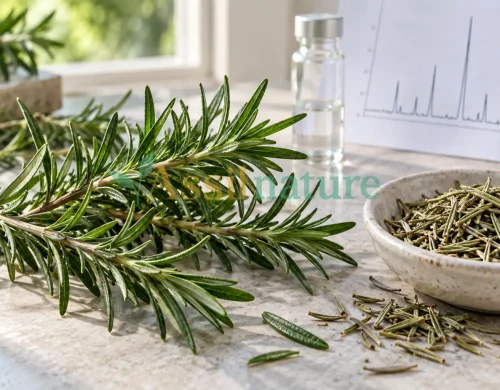
Rosemary Chemical Composition: Carnosic Acid and Key Compounds
What Is the Chemical Composition of Rosemary? The chemical composition of rosemary includes several groups of naturally...
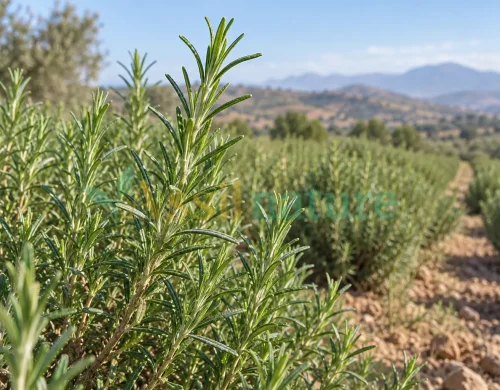
Rosemary Pesticide Residues and EU Compliance: What Buyers Need to Verify
.assil-eu-residues-intro { max-width: 1040px; margin: 0 auto 28px; padding: 30px; color: #30352f; background:...
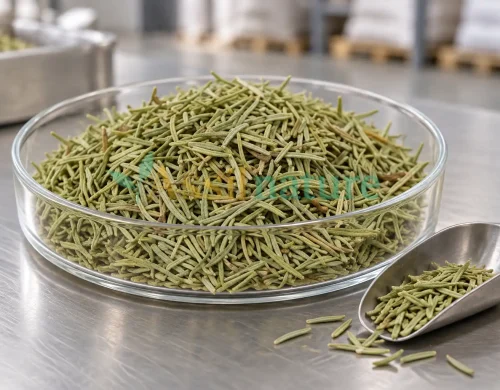
Rosemary Certificate of Analysis: What Bulk Buyers Should Check
.rosemary-coa-intro { max-width: 1040px; margin: 28px auto; color: #30352f; font-family: inherit; line-height: 1.75; }...