Moroccan Climate for Herbal Potency: Why Herbs Grow Stronger in Morocco

What Makes Moroccan Climate Ideal for Herbal Potency
The global demand for high-quality medicinal herbs continues to grow, and one factor consistently appears in professional sourcing discussions: climate. Among the world’s herbal origins, the Moroccan climate for herbal potency stands out as a natural advantage. It shapes how plants grow, how aromas develop, and how active compounds concentrate.
Morocco is not simply a country with herbs. It is a country with multiple climates, natural stress conditions, and seasonal balance that directly influence herbal strength. This article explains, in clear and professional terms, why Morocco’s climate plays a decisive role in producing potent medicinal and aromatic herbs.
Understanding Herbal Potency and Climate Influence
Herbal potency refers to the natural strength of a plant. This strength is expressed through aroma intensity, flavor depth, color, and the concentration of naturally occurring compounds. Climate is one of the most important factors shaping these qualities.
Temperature variation, sunlight exposure, rainfall patterns, and air circulation all affect how plants develop. A balanced but challenging environment often encourages herbs to produce stronger natural profiles. This is where the Moroccan climate for herbal potency becomes especially relevant.
Instead of uniform growing conditions, Morocco offers diversity. This diversity creates resilience in plants and contributes to richer sensory characteristics.
Morocco’s Unique Climate Diversity
Morocco benefits from a rare combination of climate zones within a single country. Atlantic coastal influence, Mediterranean conditions, mountainous regions, and semi-arid interiors coexist across relatively short distances.
This climate diversity allows herbs to grow under different natural pressures. In herbal production, mild stress often leads to higher aromatic concentration. Plants adapt by intensifying their natural compounds, which is a key factor behind herbal potency.
As a result, herbs grown or collected in Morocco often show strong aroma, distinctive taste, and stable character—qualities highly valued in international markets.
Sunlight Exposure and Its Role in Herbal Strength
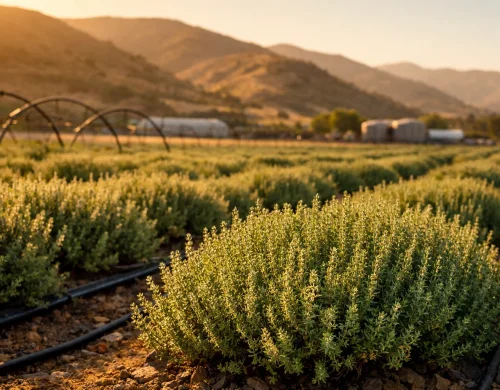
Sunlight is one of the main drivers of plant energy. Morocco benefits from high levels of natural sunlight throughout the year, especially in inland and elevated regions.
This consistent exposure supports photosynthesis and encourages plants to develop essential oils and aromatic compounds. In many medicinal herbs, sunlight intensity correlates with stronger scent and richer flavor.
The Moroccan climate for herbal potency offers a balanced sunlight profile: long sunny periods without extreme humidity. This balance helps herbs mature naturally without excessive water retention that could dilute their character.
- Climate is one key factor influencing herbal strength, but it is part of a wider sourcing framework. You can explore the full context in our complete guide to Moroccan medicinal herbs .
Temperature Variation and Natural Plant Resilience
One overlooked advantage of the Moroccan climate is temperature variation. Many regions experience warm days and cooler nights, especially in mountainous and inland areas.
This daily temperature contrast slows excessive growth and promotes structural strength in plants. Herbs exposed to such variation often develop thicker leaves and stronger aromatic profiles.
Rather than rapid, water-heavy growth, Moroccan herbs tend to grow at a controlled pace. This natural rhythm supports concentration rather than dilution.
Low Humidity and Clean Herbal Development
Humidity levels play a critical role in herbal quality. High humidity can weaken aroma, encourage fungal issues, and complicate drying and storage.
Many Moroccan regions benefit from relatively low to moderate humidity. This environment supports clean plant development and simplifies post-harvest handling. It also reduces the risk of unwanted microbial growth.
From a buyer’s perspective, this climate advantage translates into herbs that dry more efficiently and retain their natural properties longer.
Seasonal Balance and Natural Growth Cycles
Morocco experiences clear seasonal transitions. These seasons regulate plant life cycles naturally, allowing herbs to follow complete and balanced growth patterns.
Seasonal balance ensures that herbs are not forced into artificial acceleration. Instead, they mature according to natural rhythms, which enhances potency. Harvesting at the correct seasonal window is easier when climate patterns are predictable.
This predictability strengthens supply reliability and quality planning for exporters and buyers alike.
Mountain Influence and Altitude Effects
Morocco’s mountain ranges, particularly the Atlas Mountains, add another layer to the Moroccan climate for herbal potency. Altitude affects sunlight intensity, air circulation, and temperature.
Herbs grown or collected at higher elevations often develop concentrated aromas and robust structures. The thinner air and cooler nights act as natural regulators, slowing growth and enhancing compound development.
This is why certain Moroccan herbs are especially appreciated for their depth and complexity.
Natural Stress as a Quality Enhancer
In herbal science, moderate environmental stress is not negative. On the contrary, it often strengthens plants. Limited water availability, temperature variation, and intense sunlight encourage herbs to protect themselves by producing more aromatic compounds.
The Moroccan climate naturally introduces these mild stress factors without pushing plants into extreme conditions. This balance supports potency without compromising plant health.
For medicinal and aromatic herbs, this natural stress-response mechanism is one of the most important contributors to quality.
Climate and Post-Harvest Advantages
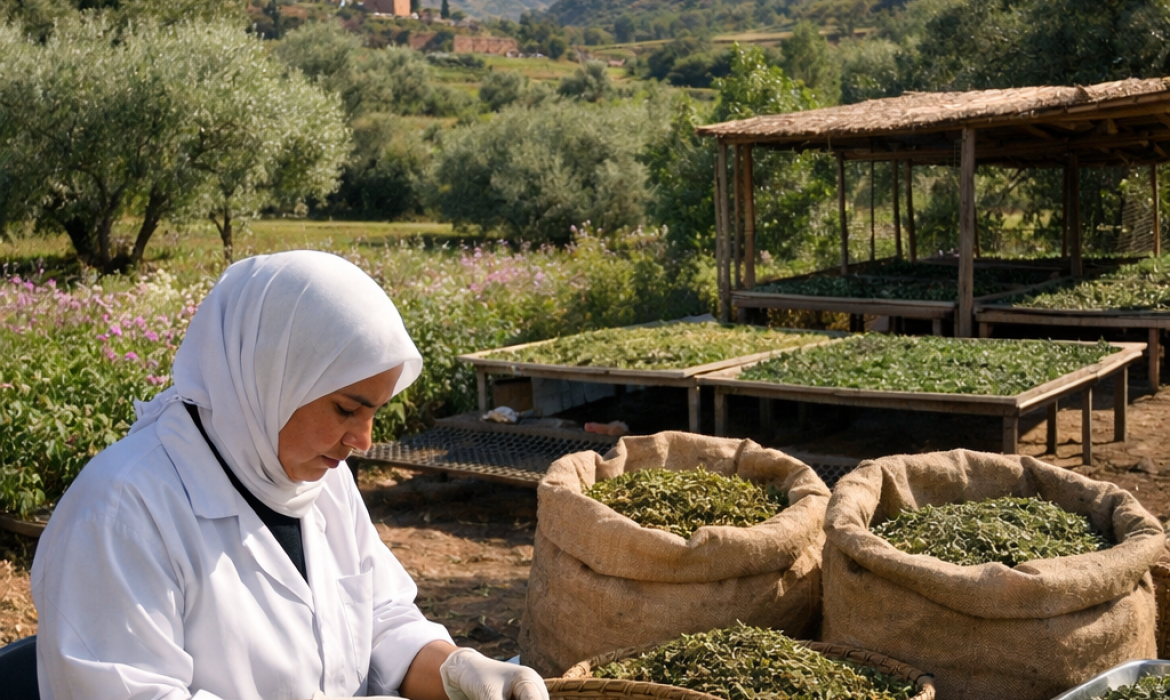
Climate does not stop influencing herbs after harvest. Drying conditions are equally important. Morocco’s dry air and favorable temperatures allow herbs to be dried efficiently with minimal mechanical intervention.
Proper drying preserves aroma, color, and structure. It also supports longer shelf life and stable transport conditions. The Moroccan climate for herbal potency therefore extends from the field to the final packaged product.
This is a significant advantage for exporters and brands focused on maintaining consistent quality.
Why Buyers Value Climate-Driven Potency
International buyers increasingly look beyond price. They seek origin advantages that translate into product performance. Climate-driven potency reduces the need for heavy processing and supports clean-label positioning.
Moroccan herbs benefit from a natural story: strong sun, clean air, balanced seasons, and controlled growth. This story resonates with consumers and supports premium positioning.
For B2B buyers, it also means fewer quality surprises and more predictable outcomes.
Moroccan Climate as a Strategic Sourcing Advantage
When evaluating sourcing destinations, climate should never be underestimated. The Moroccan climate for herbal potency offers a rare combination of diversity, balance, and natural strength.
This advantage supports consistent aroma, reliable drying, and strong sensory profiles across multiple herb categories. It also allows suppliers to meet demanding international standards more efficiently.
As global markets continue to favor natural and effective herbal products, Morocco’s climate positions the country as a long-term strategic source.
Closing Perspective: The strength of Moroccan medicinal herbs is not accidental.
It is deeply connected to climate conditions that support natural potency. Sunlight, temperature variation, low humidity, altitude, and seasonal balance all play a role.
The Moroccan climate for herbal potency creates herbs that are aromatic, resilient, and export-ready. For buyers, brands, and formulators, this climate advantage translates into real commercial value.
As demand for high-quality natural ingredients grows, Morocco’s climate will remain one of its strongest assets in the global herbal industry.
Related Posts

How to Choose the Right Moroccan Herbal Supplier for Global Trade
Choosing the right Moroccan herbal supplier is a critical decision for global buyers operating in regulated and competitive markets. Supplier...

Traditional Uses of Moroccan Medicinal Herbs: Cultural Roots and Modern Relevance
The traditional uses of Moroccan herbs reflect centuries of accumulated knowledge shaped by geography, climate, and cultural exchange. Across...

Blue Tansy Oil from Morocco: Cosmetic Industry Focus
Blue tansy oil from Morocco has gained increasing attention within the cosmetic industry due to its distinctive profile and growing relevance...