 Mon - Fri: 9:00 - 19:00 GTM

Whole, Cut or Powdered Rosemary: A Practical Guide for Bulk Buyers
Choosing between whole, cut or powdered rosemary depends on how the botanical material will be inspected, processed and used after delivery. Although the three forms may originate from the same rosemary supply, they are not operationally interchangeable.
Whole dried leaves provide the greatest visibility of the botanical material and allow buyers to perform their own cutting or milling. Cut rosemary offers a more production-ready format while retaining a recognizable herbal appearance. Rosemary powder is suitable when the ingredient must be incorporated directly into a fine dry formulation.
The best option is therefore not determined by appearance or price alone. It depends on the buyer’s equipment, finished product, required particle size, quality-control procedure and total processing cost.
Quick Answer for Rosemary Buyers
- Choose whole dried rosemary leaves when botanical visibility, visual inspection and in-house processing flexibility are priorities.
- Choose cut rosemary leaves when you need a defined cut, easier handling and more consistent distribution in visible herb blends.
- Choose dried rosemary powder when the material must enter a fine formulation without additional milling.
None of these forms is automatically superior. A clean, correctly specified cut or powder can be more suitable than whole leaves for a particular production line. Likewise, whole leaves may provide better purchasing control for a manufacturer that wants to inspect and process the raw material internally.
Rosemary Forms at a Glance
| Rosemary Form | Best Suited To | Main Buyer Consideration |
|---|---|---|
| Whole dried leaves | Visible-herb products and in-house processing | Leaf integrity, stem content and storage volume |
| Cut rosemary leaves | Seasoning blends, infusions and filling operations | Cut size, uniformity and percentage of fines |
| Dried rosemary powder | Fine dry blends and direct formulation | Particle size, moisture, flow and dust behavior |
Begin With the Intended Application
A food manufacturer may require a controlled rosemary cut that remains visible in a seasoning blend. A herbal-product company may prefer whole or coarsely cut leaves for infusions. A manufacturer producing fine dry mixtures may need a rosemary powder with an agreed mesh or particle-size range.
Extraction buyers must evaluate the material according to their own equipment and validated process. Some facilities process whole or coarsely cut rosemary internally, while others require a specific prepared size. Fine powder is not automatically the best extraction material because handling and filtration requirements differ between processing systems.
The intended application should therefore be communicated before requesting a sample or quotation. This helps the supplier propose an appropriate form instead of relying on a generic description such as “premium rosemary.”
Ground Rosemary Powder Is Not Rosemary Extract Powder
Bulk buyers should also distinguish ground rosemary powder from rosemary extract powder. Ground powder is produced by mechanically milling dried rosemary. An extract is produced through a selective extraction and concentration process and may be specified according to selected compounds.
The two materials require different purchasing criteria and should not be treated as substitutes without technical, formulation and regulatory evaluation.
Moroccan Rosemary Forms Available for Bulk Supply
Assil Nature supplies rosemary in three commercial formats for professional buyers: whole dried Moroccan rosemary leaves, Moroccan cut rosemary leaves, and Moroccan rosemary powder.
Samples, available grades, particle-size options, packaging and requested documentation can be discussed according to the buyer’s application, destination and commercial volume.
For the wider sourcing context, botanical identity, quality requirements and export considerations, consult our complete B2B guide to Moroccan rosemary.
Whole leaves, cut leaves and powder describe the physical condition of dried rosemary when it reaches the buyer. The difference is created mainly by the level of mechanical processing applied after drying and cleaning.
This processing level affects how easily the material can be inspected, stored, measured and incorporated into production. However, it does not independently determine botanical quality. Each form can meet a professional specification when its identity, composition and processing requirements are clearly defined.
What Are Whole Dried Rosemary Leaves?
Whole dried rosemary leaves retain most of their recognizable needle-like structure. Some naturally broken pieces may remain after drying, handling and transport, so “whole” should not be interpreted as a guarantee that every leaf will remain completely intact.
This form provides buyers with the greatest physical visibility of the botanical material. Leaf appearance, natural color, visible stems and obvious foreign material can be evaluated more easily before the rosemary is cut or ground.
Whole leaves are particularly relevant for buyers that:
- Want to inspect the botanical material before further processing
- Operate their own cutting, crushing or milling equipment
- Require visible rosemary leaves in the finished product
- Need flexibility to produce several particle sizes from one raw material
The purchasing specification should still define the accepted leaf-to-stem profile, moisture, foreign matter and proportion of broken material. The word “whole” alone is not a sufficient quality standard.
What Are Cut Rosemary Leaves?
Cut rosemary leaves are produced by mechanically reducing dried rosemary into smaller pieces. The material remains visibly botanical but becomes easier to measure, mix and introduce into suitable filling or processing systems.
In the United States and some international botanical catalogs, buyers may see expressions such as cut and sifted rosemary, rosemary C/S or rosemary leaves cut and sifted. Sifting can help separate the processed material into a more controlled size range and reduce excessive fines or oversized pieces.
Nevertheless, “cut and sifted” does not represent one universal size. Suppliers may use different cutting equipment, screens and commercial grades. A professional inquiry should therefore define:
- The required minimum and maximum cut size
- The permitted percentage of fine particles
- The acceptable proportion of stems
- The expected visual and aromatic profile
- The intended blending, infusion or filling application
An approved sample is often more useful than terms such as “fine cut” or “coarse cut” when no measurable particle-size range has been established.
What Is Dried Rosemary Powder?
Dried rosemary powder is obtained by milling dried rosemary into fine particles. The original leaf structure is no longer visible, so buyers must rely more heavily on supplier controls, a written specification and appropriate testing.
Powder may be convenient for manufacturers that want to add rosemary directly to a fine dry formulation. It can remove the need for internal milling, but it also introduces specific considerations such as mesh size, dust generation, flow behavior and possible caking when moisture is not properly controlled.
The buyer should confirm whether the powder is produced primarily from leaves or from an agreed mixture of leaves and stems. This information can influence its appearance, sensory profile and consistency.
How Processing Changes Buyer Control
As rosemary moves from whole leaves to cut material and then powder, production convenience generally increases while direct visual inspection becomes more limited.
| Control Point | Whole Leaves | Cut Rosemary | Rosemary Powder |
|---|---|---|---|
| Visible botanical structure | High | Moderate | Limited |
| Need for further size reduction | Often required | Depends on the selected cut | Usually limited |
| Particle-size specification | Applied after buyer processing | Defined by cut and screening range | Defined by mesh or particle distribution |
| Dust-control consideration | Low during ordinary handling | Depends on fines | More important |
| Reliance on analytical controls | Required | Required | Greater because structure is no longer visible |
Physical Form Is Not a Quality Grade
Whole rosemary should not automatically be marketed as better than cut rosemary or powder. Likewise, powder should not be considered inferior simply because the leaf structure is no longer visible.
Quality depends on factors such as botanical identity, plant-part composition, drying, cleaning, storage, moisture control and batch consistency. These purchasing criteria are examined in our dried rosemary quality specifications guide The most appropriate physical form is the one that produces the required result inside the buyer’s operation. Extraction facilities should also confirm the suitable form against their equipment and process rather than assuming that the finest powder will provide the best performance. Further technical considerations are covered in our guide to rosemary raw material for extraction
.
Whole Dried Rosemary Leaves for Bulk Buyers
Whole dried rosemary leaves are suitable for buyers who want to retain greater control over the inspection and subsequent processing of the botanical material. The recognizable leaf structure makes this form particularly relevant for visible-herb products, internal cutting operations and certain botanical-processing systems.
Whole leaves are not necessarily unprocessed. Before export, rosemary may be dried, cleaned, sorted and prepared according to the agreed commercial grade. The term “whole” principally indicates that the leaves have not been intentionally reduced into a defined cut or fine powder.
When Should a Buyer Choose Whole Rosemary?
Whole rosemary is a practical starting material when the buyer operates cutting or milling equipment and wants to control the final particle size internally. One incoming material may then be converted into several cuts or powder grades for different production lines.
This form may also be selected when the visible identity of the herb contributes to the finished product. Potential applications include:
- Loose herbal infusions and botanical blends
- Professional culinary preparations
- Visible-herb seasoning products
- Internal cutting, crushing or milling
- Botanical raw-material processing
- Extraction operations that accept whole or coarsely reduced leaves
Extraction suitability must be confirmed by the manufacturer. Equipment design, loading method and validated processing conditions can determine whether whole leaves, a controlled cut or another prepared form is more appropriate.
Main Advantages of Whole Leaves
Greater Botanical Visibility
Whole leaves allow buyers to observe more of the material’s physical characteristics before processing. They can examine the general color, leaf shape, visible stem proportion, broken material and obvious foreign matter.
This visual control does not replace botanical verification or laboratory testing. It provides an additional inspection layer that becomes less available after the rosemary has been finely ground.
Flexible In-House Processing
Manufacturers with suitable equipment can produce their own cut or powder according to internal specifications. This reduces dependence on a supplier’s standard screen or milling configuration.
The buyer can also adapt the same raw material to different products. However, the expected processing yield, labor, cleaning requirements and material loss should be included in the purchasing calculation.
Recognizable Appearance
Whole or minimally broken rosemary leaves preserve the natural appearance expected in some culinary and herbal preparations. This can be important when the ingredient remains visible to the final customer.
Appearance requirements should be supported by a representative sample. Expressions such as “premium green leaves” can be interpreted differently unless the accepted color, stem profile and physical grade are clearly established.
Whole Does Not Mean Completely Stemless
A commercial lot of dried rosemary may contain a proportion of stems, broken leaves and smaller particles resulting from harvesting, drying and handling. These elements should not be left to assumption.
Buyers that require a high leaf-content grade should define the permitted stem percentage or approve a representative sample. If completely stemless material is required, its availability, processing feasibility and price must be confirmed separately.
| Physical Criterion | What the Buyer Should Define |
|---|---|
| Leaf integrity | Acceptable proportion of whole and naturally broken leaves |
| Stem content | Permitted level or requested leaf-grade profile |
| Fine particles | Acceptable quantity generated during handling |
| Foreign matter | Maximum level under the agreed specification |
| Color | Accepted natural range with allowance for batch variation |
| Aroma | Characteristic rosemary aroma without abnormal odors |
Potential Limitations of Whole Rosemary
Whole leaves can require more storage volume than processed material. They may also need cutting or grinding before they can enter the buyer’s formulation.
Operational considerations include:
- Availability of suitable size-reduction equipment
- Additional processing and labor costs
- Cleaning between production batches
- Dust generated during internal milling
- Material loss during cutting and screening
- Ability to maintain a consistent final particle size
A buyer without botanical-processing equipment may find a supplier-prepared cut or powder more efficient, even when its initial price per kilogram is higher.
Wild and Cultivated Rosemary Require Clear Qualification
Whole leaves may come from wild-collected or cultivated rosemary supply chains. These sourcing descriptions do not independently establish quality, organic status or the absence of pesticide residues.
Buyers should evaluate the actual lot through its origin information, traceability, specification and requested testing. The commercial differences are examined separately in our wild versus cultivated rosemary guide.
Evaluating a Whole Rosemary Sample
A representative sample should be evaluated according to the same criteria that will later be applied to the commercial shipment. Buyers may examine appearance, aroma, moisture, visible cleanliness, stem proportion and performance during their own cutting, milling, infusion or extraction trial.
The approved sample should be supported by a written specification. Photographs are useful for initial discussion, but they cannot confirm moisture, microbiological quality, residue compliance or other analytical parameters.
Bulk Whole Moroccan Rosemary Leaves
Assil Nature supplies
whole dried Moroccan rosemary leaves in bulk
for professional buyers. Available grades, samples, packaging, documentation and batch-specific requirements can be discussed according to the application, volume and destination market.
A complete inquiry should identify the intended use, required leaf-to-stem profile, order quantity, destination and any tests or documents needed before shipment.
Cut Rosemary Leaves for Manufacturing and Bulk Supply
Cut rosemary leaves provide a practical balance between the botanical visibility of whole leaves and the production convenience of rosemary powder. The dried material is mechanically reduced into smaller pieces while retaining a recognizable herbal appearance.
This form is particularly relevant for buyers that require rosemary ready for blending, dosing or filling but do not want a finely milled ingredient. The correct cut should be determined by the finished product and production equipment rather than by a generic description such as “fine” or “coarse.”
What Does Cut and Sifted Rosemary Mean?
In the United States and international botanical trade, cut rosemary may be listed as cut and sifted rosemary, rosemary C/S or rosemary leaves cut and sifted.
Cutting reduces the dried material into smaller pieces. Sifting helps classify those pieces and may remove part of the excessive fines or oversized material. Nevertheless, the term “cut and sifted” does not represent one internationally fixed particle size.
Two suppliers may offer different physical grades under the same commercial name. Buyers should therefore support the requested description with:
- A target cut-size range
- A sieve or screening requirement
- An approved reference sample
- A maximum tolerance for fine particles
- An agreed leaf-to-stem profile
When Is Cut Rosemary the Better Choice?
Cut rosemary can be the more efficient option when whole leaves are too large for the buyer’s production system but powder would be too fine for the finished product.
It may be considered for:
- Seasoning and spice blends
- Dry marinades and savory preparations
- Loose herbal infusions
- Tea and botanical sachets
- Foodservice herb preparations
- Visible botanical formulations
- Selected extraction and further-processing operations
The same cut will not perform identically in every application. A culinary blend may require visually attractive pieces, while a filling line may prioritize consistent dimensions and controlled fines.
Advantages of a Controlled Rosemary Cut
Reduced In-House Processing
Purchasing rosemary in the required cut can remove an additional production stage. The buyer may reduce milling costs, preparation time, equipment use and cleaning requirements.
This advantage depends on whether the supplier can maintain the agreed physical profile. A lower processing cost is not useful if the delivered cut creates inconsistency or requires additional screening.
More Consistent Blending
A controlled cut can distribute more evenly alongside ingredients with similar dimensions. This may reduce separation between long rosemary leaves and smaller components during mixing, handling or packaging.
Particle size is only one factor. Ingredient density, moisture, mixing time and transport vibration can also affect the stability of a dry blend.
Easier Dosing and Filling
Shorter rosemary pieces may move more predictably through appropriate weighing and filling equipment than long whole leaves. They can also occupy packages more consistently.
Production performance should still be confirmed through a trial. Fine particles, irregular cuts and moisture can influence flow even when the material appears visually acceptable.
Retained Botanical Appearance
Unlike powder, cut rosemary remains visibly identifiable as a herb. This characteristic can support products in which the consumer or professional user expects to see botanical pieces.
For appearance-sensitive products, the buyer should define the acceptable color, uniformity, stem content and percentage of fines before placing a commercial order.
Specifications Buyers Should Confirm
| Parameter | Commercial Importance | Recommended Buyer Action |
|---|---|---|
| Cut-size range | Affects appearance, dosing and processing | Provide measurable dimensions or approve a sample |
| Fine-particle content | Can influence dust, flow and visual quality | Set a tolerance when operationally important |
| Oversized material | May interfere with blending or filling | Define the maximum accepted size |
| Stem content | Influences appearance and physical grade | Agree on a leaf-to-stem profile |
| Moisture | Relevant to storage and handling stability | Set the maximum accepted value |
| Foreign matter | Supports raw-material cleanliness | Define a maximum permitted level |
| Color and aroma | Important for sensory and visible applications | Use an approved range or reference sample |
Leaf Content and Stem Content
Cut rosemary may consist primarily of leaves or include an agreed proportion of fine stems. Stem material is not automatically foreign matter, but its accepted level should be defined when the buyer requires a particular visual or sensory profile.
Requests such as “leaf only,” “low stem” or “standard commercial cut” can involve different grades and preparation costs. The quotation should therefore identify what the offered material includes instead of relying on an undefined quality label.
Why Excessive Fines Matter
Fine particles are naturally generated during cutting, screening and transport. A controlled quantity may be acceptable, but excessive fines can alter appearance, increase dust and affect the behavior of the material during filling.
The acceptable level depends on the application. A visible culinary blend may require tighter control than material intended for further milling or extraction.
Packaging Cut Rosemary
The cut size, fines and bulk density can influence packaging performance. Bags should protect the rosemary from moisture, contamination, direct sunlight and strong external odors during storage and transport.
An inner food-contact liner may be requested depending on the order and destination requirements. Bag weight, sealing, labeling and pallet configuration should be confirmed before shipment.
Additional considerations are explained in our rosemary packaging, storage and export guide.
Approve the Cut Before Commercial Production
A photograph can show the general appearance of cut rosemary, but it cannot reliably demonstrate its dimensions, fine-particle content, density or performance inside the buyer’s equipment.
A representative sample allows the buyer to test blending, infusion, filling or further processing. Once approved, the sample should be paired with a written specification defining the measurable acceptance criteria.
Bulk Moroccan Cut Rosemary
Assil Nature supplies Moroccan cut rosemary leaves in bulk for food, herbal-product, ingredient and industrial buyers.
Available cut profiles, samples, packaging and documentation can be discussed according to technical feasibility and the buyer’s intended application. A quotation request should include the required cut, estimated quantity, destination and any analytical or documentation requirements.
Dried Rosemary Powder for Industrial Manufacturing
Dried rosemary powder is produced by mechanically grinding cleaned and dried rosemary into smaller particles. It is intended for buyers that require a botanical ingredient that can enter a fine formulation without an additional milling stage.
Powder offers production convenience, but its quality cannot be evaluated in the same way as whole or cut leaves. Because the original botanical structure is no longer visible, buyers need clearer controls for particle size, plant-part composition, moisture, cleanliness and batch consistency.
When Should Buyers Choose Rosemary Powder?
Rosemary powder is appropriate when visible leaves are unnecessary or undesirable in the finished product. It may also suit manufacturers that do not operate their own botanical milling equipment.
Potential applications include:
- Fine seasoning and spice formulations
- Dry savory mixes
- Powdered botanical blends
- Selected food-processing applications
- Dry cosmetic preparations
- Personal-care formulations designed for ground plant material
- Further industrial processing under the buyer’s validated method
The buyer should test the powder in the intended formulation. A grade that disperses effectively in one dry blend may behave differently when ingredient density, moisture or mixing conditions change.
How Rosemary Powder Is Produced
Powder production generally begins with dried rosemary material selected according to the agreed commercial grade. The material is cleaned, milled and, when required, sifted to obtain a more controlled particle distribution.
The final characteristics depend on:
- The quality of the incoming dried rosemary
- The plant parts included in the milling process
- The grinding equipment and production conditions
- The required particle size or mesh
- The screening procedure
- The percentage of fines and oversized particles
- The packaging and storage conditions
Grinding changes the physical form of rosemary. It does not automatically concentrate, isolate or standardize its natural compounds.
Why Particle Size Matters
Particle size can affect appearance, dispersion, flow, dust generation and performance during mixing or filling. A buyer should therefore avoid ordering rosemary powder based only on the word “fine.”
The purchasing request may define a mesh value, a sieve standard or an agreed particle-size range. When the buyer does not have a fixed requirement, testing more than one available grade may help identify the most suitable option.
| Powder Characteristic | Potential Effect |
|---|---|
| Coarser powder | Retains more visible botanical texture |
| Finer powder | May disperse more easily but can generate more airborne dust |
| Wide particle distribution | Can create inconsistent appearance or separation |
| Excessive fines | May affect flow, handling and packaging operations |
| Excessive moisture | Can contribute to caking and reduced handling stability |
Understanding Mesh Specifications
Mesh terminology is commonly used to describe powder fineness. In general, a higher mesh number indicates smaller particles. However, the result can depend on the sieve standard and test procedure being used.
For technically sensitive applications, the buyer and supplier should agree on the measurement method rather than relying on the mesh number alone. An approved sample can complement the written particle-size specification.
Leaf Powder or Leaf-and-Stem Powder?
A rosemary powder specification should identify the plant material used for milling. Powder produced primarily from leaves may differ in appearance and physical profile from powder containing a broader mixture of leaves and stems.
Neither composition should be assumed from the product name. If the buyer requires a particular leaf-to-stem profile, this should be communicated before sampling and pricing because additional sorting may affect availability, yield and cost.
Essential Rosemary Powder Specifications
| Parameter | What the Buyer Should Confirm |
|---|---|
| Botanical identity | Salvia rosmarinus, with Rosmarinus officinalis recognized as a commercial synonym |
| Plant part | Leaf powder or an agreed leaf-and-stem composition |
| Particle size | Mesh, sieve standard or approved physical sample |
| Moisture | Maximum value under the agreed batch specification |
| Color | Accepted natural green to olive or grey-green range |
| Aroma | Characteristic rosemary profile without abnormal odors |
| Foreign matter | Cleanliness criteria applied before grinding |
| Microbiology | Required limits and test methods for the application |
| Residues and contaminants | Testing scope required by the buyer and destination market |
| Packaging | Bag size, liner, sealing and batch labeling |
Rosemary Powder Is Not Rosemary Extract Powder
Buyers must distinguish ground rosemary powder from rosemary extract powder. The two products may both appear as powders, but they are produced differently and require different specifications.
Ground rosemary powder contains mechanically milled botanical material. Rosemary extract powder is produced through an extraction and concentration process. It may also contain a carrier and may be standardized according to selected compounds or an extraction ratio.
| Point of Comparison | Ground Rosemary Powder | Rosemary Extract Powder |
|---|---|---|
| Production method | Mechanical grinding | Extraction and concentration |
| Material profile | Milled botanical matrix | Concentrated extract, potentially with a carrier |
| Main specification | Plant part, particle size, moisture and cleanliness | Extraction ratio, carrier, solubility and active-compound level |
| Standardized compounds | Not automatically standardized | May be standardized when supported by analysis |
Ordinary ground rosemary powder should not be presented as standardized for carnosic acid, carnosol or rosmarinic acid without batch-specific analysis and an agreed analytical method.
These compounds and their relevance to botanical raw-material evaluation are examined in our guide to rosemary chemical composition and carnosic acid
.
Handling and Storing Rosemary Powder
Powdered rosemary should remain sealed in suitable packaging and protected from moisture, excessive heat, direct sunlight and strong external odors. Fine material may require an appropriate inner liner and secure closure according to the packaging agreement.
Manufacturers should also consider dust management when opening bags, transferring material and adding it to production equipment. The required controls depend on the fineness of the powder and the buyer’s workplace procedures.
Testing a Representative Sample
A representative sample allows the buyer to evaluate color, aroma, fineness, flow and dispersion inside the intended formulation. The sample can also be used to test filling performance and determine whether additional screening is required.
When laboratory parameters are essential, the required limits and methods should be communicated before the commercial order. Visual acceptance alone cannot confirm microbiological quality, pesticide compliance, heavy metals or selected chemical compounds.
Bulk Moroccan Rosemary Powder
Assil Nature supplies Moroccan rosemary powder in bulk for professional and industrial buyers.
Available particle sizes, samples, packaging, documentation and batch-specific testing can be discussed according to technical feasibility. For an accurate quotation, buyers should provide the required fineness, application, estimated quantity, destination and analytical requirements.
Whole vs Cut vs Powdered Rosemary: Commercial Comparison
The right rosemary form should reduce the buyer’s total production cost while meeting the required quality and finished-product specifications. Comparing only the purchase price per kilogram can produce a misleading result.
Whole leaves may offer greater inspection and processing control but require additional equipment and labor. Cut rosemary may arrive closer to the required production format. Powder may be ready for direct formulation but requires more precise particle-size and handling controls.
Side-by-Side Comparison
| Buyer Criterion | Whole Rosemary Leaves | Cut Rosemary Leaves | Rosemary Powder |
|---|---|---|---|
| Botanical visibility | Highest | Moderate | Limited |
| Additional size reduction | Often required | May not be required | Usually not required |
| Processing flexibility | High for equipped buyers | Moderate | Limited to the supplied particle size |
| Visible-herb applications | Highly suitable | Suitable | Generally unsuitable |
| Fine dry formulations | Requires milling | May require further reduction | Often suitable for direct use |
| Dust consideration | Low during normal handling | Depends on fines | More important |
| Storage volume | May require more space | Usually more compact | Depends on fineness and bulk density |
| Primary physical control | Leaf integrity and stem content | Cut size and percentage of fines | Particle distribution and flow |
Which Rosemary Form Is Best for Food Manufacturing?
Food manufacturers should begin with the appearance and distribution required in the finished product. Whole or coarse-cut rosemary may be appropriate when the herb should remain clearly visible. A controlled cut can be more practical in seasoning blends because its dimensions can be aligned with the other ingredients.
Rosemary powder may suit fine seasoning systems or formulations that should not contain large leaf pieces. However, the powder should be tested at the intended dosage because its fineness can affect visual distribution, dust behavior and perceived aromatic intensity.
- Visible culinary herb: whole or coarse-cut rosemary
- Seasoning blend: controlled cut or suitable powder
- Fine dry mixture: rosemary powder
- Internal herb-processing line: whole or cut rosemary
Which Form Is Best for Herbal Infusions?
Whole and cut leaves are generally more relevant when the rosemary should remain visible in a loose infusion or botanical blend. Cut material can offer more consistent dosing and may be easier to fill into suitable sachets.
Finely ground rosemary may create sediment or pass through some filter materials. Buyers should test the powder with the intended sachet, filter or infusion format before approving it.
Which Form Is Best for Extraction?
No single rosemary form is universally superior for extraction. The suitable material depends on the extraction system, loading method, solvent, filtration equipment and validated processing conditions.
Some extraction facilities purchase whole or coarsely cut rosemary and control particle reduction internally. Others require a defined cut that can enter the extraction system directly. Fine powder may increase handling or filtration complexity in certain processes.
Extraction buyers should specify:
- The accepted plant part
- The required physical form
- The target particle-size range
- The maximum moisture content
- The permitted stem and foreign-matter levels
- The required pesticide and contaminant limits
- Any requested active-compound analysis
The selected form should be confirmed through a representative sample or production trial before scaling to a commercial shipment.
Which Form Is Best for Cosmetic Products?
The correct form depends on whether the formulation requires visible plant material, a ground botanical ingredient, an essential oil or a rosemary extract. These materials belong to different product categories and should not be treated as interchangeable.
Whole or cut rosemary may suit selected visible botanical preparations. Powder may be considered for dry formulations designed to contain ground plant material. The manufacturer remains responsible for confirming formulation performance, safety and regulatory suitability.
Compare Total Usable Cost, Not Only Price per Kilogram
A commercial comparison should include every cost required to convert the received rosemary into usable production material.
The calculation may include:
- Raw-material purchase price
- Freight and import-related expenses
- Storage space
- Internal cutting, milling or sifting
- Labor and production time
- Equipment cleaning and maintenance
- Dust collection and workplace controls
- Processing loss and rejected particles
- Usable yield after preparation
Whole leaves may have an attractive initial price but become more expensive when processing and losses are added. A prepared cut or powder may cost more at purchase while reducing internal work. The stronger offer is the one that produces the lowest compliant cost in the buyer’s final process.
For a deeper commercial comparison, see ourguide to bulk rosemary price factors.
A Practical Buyer Selection Matrix
| Main Buyer Priority | Recommended Starting Form | Verification Required |
|---|---|---|
| Maximum visual inspection | Whole leaves | Leaf, stem and foreign-matter assessment |
| Internal control of final size | Whole leaves | Trial cutting or milling yield |
| Ready-to-use visible pieces | Cut rosemary | Cut range and fines |
| Consistent sachet filling | Controlled cut | Production-line trial |
| Direct addition to a fine blend | Rosemary powder | Mesh, dispersion and dust behavior |
| Standardized active-compound level | Specified rosemary extract | Analytical specification and batch results |
| Uncertain production performance | Compare multiple samples | Side-by-side application testing |
When Should Buyers Request More Than One Sample?
A buyer may request samples of whole, cut and powdered rosemary when the most efficient form is not yet established. Testing several forms can reveal differences in processing time, usable yield, appearance, blending and filling performance.
This comparison is especially valuable before a recurring supply program or container-scale purchase. A small difference in processing efficiency can have a significant commercial effect when applied to large annual volumes.
Making the Final Procurement Decision
The final decision should combine technical suitability, consistent supply, documentation, packaging and total delivered cost. Search popularity or a supplier’s preferred format should not determine the buyer’s choice.
Our bulk Moroccan rosemary sourcing guide explains how importers can compare suppliers, samples, commercial grades and procurement conditions before confirming a long-term program.
Rosemary Specifications, Samples and Supplier Qualification
After selecting whole, cut or powdered rosemary, the buyer must convert the product description into a measurable commercial specification. Terms such as “premium,” “natural” or “export quality” are not sufficient for approving a bulk shipment.
A professional rosemary purchase should be based on botanical identity, physical requirements, an approved sample, relevant analytical controls and clearly defined commercial terms.
Begin With Botanical Identity and Plant Part
The specification should identify the botanical material as Salvia rosmarinus, while recognizing Rosmarinus officinalis as the established synonym still widely used in trade and technical documentation.
The buyer should also confirm the plant part supplied. A product described simply as rosemary may consist primarily of leaves or contain an agreed proportion of stems. This distinction becomes especially important for cut material and powder.
| Identification Field | Information to Confirm |
|---|---|
| Commercial name | Dried rosemary leaves, cut rosemary or rosemary powder |
| Botanical name | Salvia rosmarinus Spenn. |
| Common synonym | Rosmarinus officinalis L. |
| Plant part | Leaves or an agreed leaf-and-stem composition |
| Origin | Morocco |
| Physical form | Whole, cut or powdered |
Core Quality Parameters
The applicable quality limits depend on the product, destination and intended use. However, several parameters commonly form the basis of a dried rosemary specification.
| Parameter | Why It Matters | Buyer Action |
|---|---|---|
| Moisture | Influences storage and handling stability | Set the maximum accepted value |
| Foreign matter | Indicates physical cleanliness | Define the maximum permitted level |
| Color | Supports visual consistency | Approve a natural range or reference sample |
| Aroma | Relevant to culinary and aromatic applications | Require a characteristic profile without abnormal odors |
| Stem content | May affect grade and appearance | Define an acceptable leaf-to-stem profile |
| Cut or particle size | Affects blending, filling and processing | Provide a cut range, mesh or approved sample |
| Fine particles | Can affect appearance, flow and dust | Set a tolerance where necessary |
| Microbiological criteria | May be required by the application and market | Provide limits and test methods |
| Pesticide residues | Supports destination-market compliance | Define the required scope or applicable limits |
| Heavy metals | May form part of the ingredient specification | Identify the elements and accepted limits |
Moisture and Foreign Matter
Moisture control is important for dried rosemary intended for storage and international transport. The accepted maximum should be agreed before shipment and supported by the applicable batch documentation when requested.
Assil Nature’s standard rosemary product specifications generally target moisture below 10 percent. Some industrial buyers, particularly extraction facilities, may request a stricter maximum such as 8 percent. Such requirements must be communicated before pricing because additional preparation or batch selection may be necessary.
Foreign matter should also be defined. It is different from rosemary stems that form part of an agreed physical grade. The specification should distinguish permitted botanical stem material from unrelated foreign material.
Testing Requirements Depend on the Destination
A testing program should be based on the buyer’s application and target market. The same analytical package is not automatically required for every shipment.
Potential requirements may include:
- Microbiological analysis
- Pesticide-residue screening
- Heavy-metal testing
- Moisture determination
- Foreign-matter assessment
- Active-compound analysis when commercially relevant
- Additional contaminants required by the buyer or destination
The buyer should provide the applicable regulatory limits, customer specification or requested laboratory scope before the order. This allows the supplier to evaluate feasibility, testing cost and lead time.
Wild Does Not Automatically Mean Organic or Pesticide-Free
Wild-collected rosemary may come from areas where conventional agricultural treatments are not normally applied. However, wild origin alone does not prove organic certification, complete absence of residues or compliance with every destination-market limit.
Assil Nature should therefore avoid replacing evidence with a marketing statement. Where pesticide compliance is required, the relevant assurance should come from traceability, supply-chain controls and appropriate batch testing.
Likewise, rosemary should not be marketed as certified organic unless the applicable product and supply chain are covered by valid organic certification.
Product Specification Versus Certificate of Analysis
A product specification and a Certificate of Analysis serve different purposes. The specification defines the agreed requirements or expected commercial range. A Certificate of Analysis reports test results related to an identifiable batch.
| Document | Main Function |
|---|---|
| Product specification | Defines agreed identity, physical characteristics and acceptance parameters |
| Certificate of Analysis | Reports parameters tested for a specific batch |
| Technical data sheet | Summarizes product characteristics, handling and storage information |
| Phytosanitary Certificate | Supports plant-health requirements when applicable to the shipment |
| Certificate of Origin | Confirms the declared country of origin for trade purposes |
Not every possible analysis is automatically included in a standard COA. Buyers should agree on required tests before shipment because external laboratory analysis may involve additional cost and preparation time.
Our rosemary COA and laboratory testing guide
explains how buyers can define an appropriate analytical and documentation package.
Why Sample Approval Comes Before the Bulk Order
A representative sample allows the buyer to determine whether the proposed grade is suitable before committing to a larger quantity. The evaluation method should reflect the final application.
For whole or cut rosemary, buyers may assess:
- Leaf appearance and natural color
- Characteristic aroma
- Stem proportion
- Cut uniformity
- Visible fines and oversized pieces
- Performance in blending, infusion or processing
For powder, buyers may also assess:
- Fineness and particle distribution
- Flow and dust behavior
- Dispersion inside the formulation
- Performance during dosing and filling
Sample approval should be paired with a written specification. A photograph can support the initial discussion, but it cannot confirm moisture, microbiological criteria, pesticide residues, heavy metals or active-compound levels.
Assil Nature Sample and MOQ Framework
- Typical sample size: 200–500 g
- Sample material: Available upon request
- Sample charge: Free sample material; shipping cost applies
- Standard MOQ: Generally 100 kg
- Commercial preparation: Subject to the selected form and specification
A trial quantity does not automatically guarantee that every later shipment will come from the same lot. Buyers planning recurring or container-scale purchases should communicate their expected annual volume, batch requirements and acceptable natural variation.
Packaging and Documentation
Common bulk packaging options may include 5 kg, 10 kg or 25 kg food-grade bags. An inner polyethylene liner can be discussed according to the product form, order and destination requirements.
Potential documentation may include a product specification, COA, MSDS or handling information, Phytosanitary Certificate and Certificate of Origin. Availability and applicability must be confirmed for the relevant batch and destination.
Information Required for an Accurate Quotation
- Required form: whole, cut or powder
- Plant-part and physical-grade requirements
- Cut size or powder mesh
- Trial quantity and expected annual volume
- Intended application
- Required analytical limits and test methods
- Packaging preference
- Destination country, city or port
- Requested Incoterm
- Required documentation
- Target shipment date
Providing this information allows Assil Nature to evaluate the suitable rosemary form, available grade, testing requirements and commercial preparation instead of issuing a generic quotation.
Moroccan Rosemary in the Export Market
Physical quality is only one part of supplier selection. Importers also evaluate preparation capacity, communication, documentation and supply reliability. These wider commercial factors are discussed in our existing article on Moroccan rosemary market demand and export quality.
Bulk Buyer Decision Guide
How to Select the Right Rosemary Form
The correct rosemary form is the one that meets the buyer’s production requirements with the lowest compliant total cost. Whole leaves, cut rosemary and powder can all meet professional standards when the supplied material matches the application, equipment and agreed specification.
Whole leaves provide greater botanical visibility and internal processing flexibility. Cut rosemary reduces preparation requirements while preserving a recognizable herbal appearance. Rosemary powder can enter fine formulations more directly but requires closer control of particle size, composition and handling behavior.
The Practical Rule
Begin with the intended finished product, then work backward to the required rosemary form. Do not select whole, cut or powdered material based only on appearance, supplier preference or price per kilogram.
Rosemary Selection Matrix
| Main Buyer Requirement | Recommended Starting Form | What to Verify |
|---|---|---|
| Maximum botanical visibility | Whole dried rosemary leaves | Leaf integrity, stems and foreign matter |
| Internal control of cutting or milling | Whole rosemary leaves | Processing yield and final particle size |
| Production-ready visible herb pieces | Cut rosemary leaves | Cut range, uniformity and fines |
| Consistent sachet or blend filling | Controlled cut and sifted rosemary | Performance in the actual filling system |
| Direct addition to a fine dry formulation | Dried rosemary powder | Mesh, dispersion, flow and dust behavior |
| Standardized active-compound content | Specified rosemary extract | Extraction ratio and analytical results |
| Uncertain production performance | Compare several forms | Representative samples and application trials |
Information to Prepare Before Requesting a Quote
- Required form: whole, cut or powdered rosemary
- Required plant part and acceptable stem profile
- Target cut size, mesh or particle-size range
- Intended manufacturing application
- Moisture, foreign-matter and quality requirements
- Microbiological, pesticide and contaminant limits
- Sample quantity and evaluation procedure
- Trial quantity and estimated annual volume
- Packaging and labeling requirements
- Destination, Incoterm and requested shipment date
Buyer takeaway:
An accurate specification and representative sample are more valuable than an undefined request for “premium rosemary.” The supplier should understand the product form, application, volume and destination requirements before preparing the commercial offer.
Buyer Questions
Frequently Asked Questions
Is whole rosemary better than cut rosemary?
Not automatically. Whole rosemary provides greater botanical visibility and processing flexibility, while cut rosemary may be more efficient for blending, filling and direct manufacturing. The better form depends on the buyer’s application, equipment and quality requirements.
What does cut and sifted rosemary mean?
Cut and sifted rosemary is dried material that has been mechanically reduced and screened to obtain a more controlled physical grade. The term does not define one universal particle size, so buyers should confirm the cut range, fine-particle content and permitted stem profile.
What is the difference between rosemary powder and rosemary extract powder?
Rosemary powder is produced by mechanically grinding dried botanical material. Rosemary extract powder is produced through extraction and concentration and may include a carrier or a standardized level of selected compounds. They are different ingredients and require different purchasing specifications.
Which rosemary form is suitable for extraction?
The suitable form depends on the extraction equipment, loading method, solvent, filtration system and validated process. Some facilities process whole or cut material internally, while others require an agreed particle-size range.
Should rosemary powder have a defined mesh size?
Yes, when particle size affects formulation, blending or production. The buyer and supplier should agree on the mesh, sieve standard or particle-size range and support the requirement with a representative sample when necessary.
Can buyers request a rosemary sample before placing a bulk order?
Yes. Assil Nature can provide representative rosemary samples upon request. Typical sample quantities are 200–500 g. The sample material is free, while shipping costs apply.
What is the MOQ for bulk Moroccan rosemary?
Assil Nature’s standard minimum order quantity is generally 100 kg. The applicable MOQ should be confirmed according to the rosemary form, preparation, packaging and testing requirements.
Which documents may be available for rosemary exports?
Available documentation may include a product specification, batch-specific COA, MSDS or handling information, Phytosanitary Certificate and Certificate of Origin. Availability depends on the product, batch, destination and agreed order requirements.
Does wild rosemary automatically mean organic or pesticide-free?
No. Wild origin does not automatically establish organic certification or prove the absence of pesticide residues. These claims require suitable traceability, certification or batch testing according to the buyer’s requirements.
How should buyers choose between whole, cut and powdered rosemary?
Buyers should compare the intended application, required appearance, production equipment, particle-size needs, quality controls and total usable cost. When the best form is uncertain, representative samples should be tested in the intended production process.
Authoritative Sources
Scientific and Technical References
The following authoritative sources support the botanical terminology and technical distinctions used in this buyer’s guide.
1. Botanical Name and Taxonomy
Royal Botanic Gardens, Kew — Plants of the World Online
Kew recognizes Salvia rosmarinus Spenn. as the accepted botanical name and lists Rosmarinus officinalis L. as a synonym.
2. Rosemary Leaf Monograph
European Medicines Agency — Rosmarini folium
The European Medicines Agency provides official herbal documentation for rosemary leaf under the established name Rosmarinus officinalis L., folium.
3. Rosemary Extract Definition
FAO/JECFA — Rosemary Extract Technical Assessment
The FAO/JECFA technical assessment describes rosemary extract as a selectively extracted and concentrated ingredient. This supports the distinction between ordinary ground rosemary powder and rosemary extract powder.
Technical note: These references support general botanical and technical information. Commercial specifications, active-compound levels and analytical results must still be confirmed for the relevant rosemary batch.
Bulk Supply from Morocco
Request Moroccan Rosemary Samples and a B2B Quote
Assil Nature supplies Moroccan rosemary for professional buyers in food processing, herbal products, botanical ingredients, cosmetics and extraction-related industries.
Select the commercial form that matches your production requirements, or send us your specification for technical review before requesting a sample or commercial quotation.
Whole Rosemary Leaves
For botanical visibility, herbal preparations and buyer-controlled cutting or milling.
Cut Rosemary Leaves
For seasoning blends, herbal infusions, filling operations and controlled visible cuts.
Rosemary Powder
For fine dry formulations requiring a defined particle size or available mesh.
Information to Include in Your Inquiry
For an accurate quotation, provide the required form, cut size or mesh, intended application, sample quantity, expected commercial volume, destination, packaging and analytical requirements.
Samples and available technical information can be discussed before commercial approval. Final specifications, testing, documentation, lead time and shipment terms are confirmed according to the selected product and order.
Related Posts
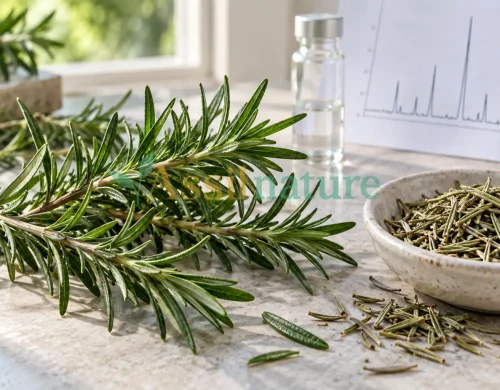
Rosemary Chemical Composition: Carnosic Acid and Key Compounds
What Is the Chemical Composition of Rosemary? The chemical composition of rosemary includes several groups of naturally...
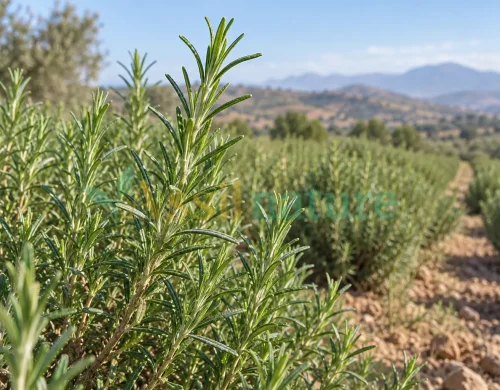
Rosemary Pesticide Residues and EU Compliance: What Buyers Need to Verify
.assil-eu-residues-intro { max-width: 1040px; margin: 0 auto 28px; padding: 30px; color: #30352f; background:...
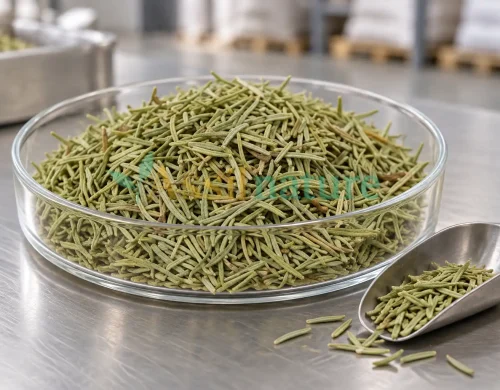
Rosemary Certificate of Analysis: What Bulk Buyers Should Check
.rosemary-coa-intro { max-width: 1040px; margin: 28px auto; color: #30352f; font-family: inherit; line-height: 1.75; }...