 Mon - Fri: 9:00 - 19:00 GTM
Why Global Buyers Are Shifting Toward Herbal & Natural Products

Across global wellness, food, and personal care industries, a clear shift is accelerating: buyers are increasingly prioritizing herbal and natural products over synthetic alternatives. This is not just a short-lived trend driven by marketing—it reflects deeper changes in consumer expectations, brand strategy, and regulatory pressure across major markets.
Today, global demand for herbal products is being shaped by several converging forces: rising health awareness, growing preference for “clean label” formulations, stronger interest in plant-based functional ingredients, and a push for greater transparency from farm to finished product. As a result, importers, laboratories, and brands are rethinking their sourcing strategies and investing more in natural raw materials that align with modern safety and quality standards.
In this article, we break down the key reasons why global buyers are shifting toward herbal and natural products—and what this transition means for the international supply chain, product development, and long-term market positioning.
Global Health Awareness Is Reshaping Consumer Demand
One of the strongest drivers behind the global shift toward herbal and natural products is the rapid rise in health awareness among consumers worldwide. People today are more informed, more cautious, and more proactive about what they consume—whether in food, supplements, or personal care products.
This growing awareness is not limited to individual consumers. It directly influences how brands, manufacturers, and importers make strategic decisions, pushing them to adapt their product portfolios toward safer, more natural alternatives.
Rise of Preventive & Holistic Health
Modern consumers are no longer focused solely on treating illness after it occurs. Instead, there is a strong move toward preventive and holistic health, where long-term well-being becomes the priority. This mindset favors ingredients that support the body naturally rather than relying exclusively on synthetic compounds.
Herbal and plant-based ingredients align perfectly with this approach. Many buyers see medicinal herbs and natural extracts as part of a broader lifestyle—one that emphasizes balance, nutrition, and overall wellness. As a result, global brands are increasingly incorporating herbal components into daily-use products such as supplements, functional foods, and wellness formulations.
- Focus on long-term health rather than short-term treatment
- Preference for plant-based and naturally derived ingredients
- Growing interest in traditional knowledge adapted to modern use
Consumer Trust Shift Away from Synthetic Products
Another major factor reshaping demand is the declining trust in heavily synthetic products. Over the past decade, consumers have become more cautious about artificial additives, chemical preservatives, and complex formulations that are difficult to understand or trace.
This shift in perception has encouraged brands to simplify ingredient lists and prioritize transparency. Herbal and natural products are often perceived as safer, cleaner, and easier to trust—especially when supported by clear sourcing information and quality controls.
For global buyers, this change in consumer trust translates into a strategic opportunity. Products formulated with natural ingredients not only meet market expectations but also strengthen brand credibility and long-term customer loyalty.

Clean Label & Transparency: A New Global Standard
As global markets mature, transparency has become a non-negotiable requirement for buyers across the food, supplement, and cosmetic industries. The concept of clean label has evolved from a niche preference into a global standard that directly influences purchasing decisions.
Today’s buyers are not only interested in what a product delivers—but also in how it is made, where its ingredients come from, and how clearly those ingredients are communicated. This shift strongly favors herbal and natural products, which naturally align with clean and transparent formulations.
What “Clean Label” Means for Global Markets
The term “clean label” does not refer to a single regulation, but rather to a shared expectation across international markets. It reflects the demand for simple, recognizable, and minimally processed ingredients that consumers can easily understand.
For global buyers, clean label standards often include:
- Shorter and clearer ingredient lists
- Avoidance of artificial colors, flavors, and preservatives
- Natural or plant-derived functional ingredients
- Transparent sourcing and processing information
Herbal and natural ingredients naturally fit these criteria, making them highly attractive for brands seeking to comply with clean label expectations while maintaining product performance and market appeal.
Why Natural Ingredients Increase Brand Credibility
In competitive global markets, trust is a critical asset. Brands that rely on natural and herbal ingredients often benefit from higher perceived authenticity and credibility, especially when they communicate sourcing and quality practices clearly.
Natural ingredients help brands tell a clearer story—one rooted in origin, tradition, and responsible production. This storytelling element is increasingly important for buyers targeting health-conscious and informed consumers who actively read labels and research product backgrounds.
As a result, many importers and manufacturers view herbal ingredients not just as raw materials, but as strategic components that strengthen brand positioning and long-term consumer confidence.
Scientific Validation of Herbal & Natural Products
The growing shift toward herbal and natural products is no longer driven by tradition or perception alone. In recent years, scientific research and clinical validation have played a critical role in strengthening buyer confidence and accelerating global market adoption.
For importers, laboratories, and international brands, evidence-based validation has become essential. Herbal ingredients that are supported by research, standardized processing, and documented safety profiles are now viewed as commercially viable and scalable components of modern formulations.
Clinical Research Supporting Medicinal Herbs
Across global markets, increasing numbers of studies are exploring the functional properties of medicinal herbs and plant-based compounds. This research focuses on areas such as bioactive components, antioxidant properties, and functional support for general wellness.
Rather than positioning herbs as pharmaceutical substitutes, modern research emphasizes their role as supportive ingredients within balanced formulations. This approach aligns with regulatory frameworks and allows brands to integrate herbal ingredients responsibly without making direct medical claims.
For buyers, the presence of scientific backing reduces risk. Ingredients supported by research are easier to justify internally, easier to register in regulated markets, and more likely to gain long-term acceptance across multiple regions.
Integration of Traditional Knowledge with Modern Science
One of the most powerful developments in the herbal sector is the integration of traditional knowledge with modern scientific methodologies. Many plants that have been used for centuries are now being studied using contemporary analytical tools and quality standards.
This integration allows global buyers to benefit from the depth of traditional use while operating within modern compliance frameworks. Standardization, controlled processing, and laboratory testing help transform traditional ingredients into reliable, export-ready raw materials.
As a result, herbal and natural products are increasingly positioned at the intersection of heritage and innovation—offering both cultural legitimacy and scientific credibility in global markets.
Global Market Growth of Herbal & Natural Products
The expansion of herbal and natural products is supported by strong global market growth across multiple regions. What was once considered an alternative or niche category has now become a core segment within food, wellness, and personal care industries worldwide.
This growth is driven by consistent consumer demand, increased product innovation, and broader acceptance of natural ingredients by regulatory authorities. For global buyers, this creates a stable and scalable market environment with long-term potential.
Market Expansion Across Regions
Demand for herbal and natural products is rising across both developed and emerging markets. While consumer motivations may differ by region, the overall direction remains consistent: greater preference for natural, traceable, and responsibly sourced ingredients.
- Europe: Strong focus on clean label, sustainability, and regulatory compliance
- North America: Growth driven by wellness trends, supplements, and functional foods
- Asia: Deep integration of traditional plant-based ingredients with modern formulations
- Middle East: Rising interest in natural health, cosmetics, and premium herbal imports
This geographically diversified demand reduces dependency on a single market and makes herbal sourcing more resilient to regional fluctuations.
High-Growth Segments: Supplements, Cosmetics & Functional Foods
Not all segments of the herbal market grow at the same pace. Certain industries have emerged as particularly strong drivers of demand, offering attractive opportunities for importers and manufacturers.
Dietary supplements continue to lead growth due to increasing focus on daily wellness and preventive health. Meanwhile, cosmetics and personal care brands are integrating botanical extracts to meet consumer demand for natural and skin-friendly formulations.
Functional foods and beverages also represent a fast-growing segment, combining nutrition with added botanical benefits. Together, these categories create a diversified demand base that supports long-term growth for herbal and natural products.
To better understand how origin, climate, and sourcing standards influence herbal quality, explore our complete guide to Moroccan medicinal herbs for global buyers.
Sustainability & Ethical Sourcing as Buying Criteria
Sustainability is no longer a secondary consideration in global sourcing decisions. For many international buyers, it has become a core requirement that directly influences supplier selection, contract renewal, and long-term partnerships.
Herbal and natural products are closely associated with sustainability values, particularly when they are sourced responsibly. This alignment has made ethical and environmentally conscious sourcing a major competitive advantage in the global herbal market.
Environmental Responsibility Influencing Buyers
Global buyers are increasingly aware of the environmental impact associated with raw material production. Intensive farming methods, excessive chemical use, and unsustainable harvesting practices are now viewed as long-term risks rather than cost-saving solutions.
In contrast, responsibly sourced medicinal herbs—whether cultivated or wild-harvested under controlled conditions—offer a more sustainable alternative. Buyers value practices that protect soil health, preserve biodiversity, and reduce environmental footprint.
This shift encourages suppliers to adopt environmentally responsible farming, drying, and processing methods that meet both ecological and commercial expectations.
Ethical Supply Chains & Traceability
Beyond environmental concerns, ethical sourcing has become a defining factor in global procurement strategies. Buyers increasingly seek transparency throughout the supply chain, from farm-level production to final export documentation.
Traceability allows importers and brands to verify origin, production methods, and compliance with social and ethical standards. This is particularly important in the herbal sector, where authenticity and quality are closely linked to origin.
As a result, suppliers who can demonstrate ethical practices, clear traceability, and responsible labor conditions are more likely to secure long-term relationships with global buyers.
Regulatory Pressure & Safety Standards Worldwide
Regulatory frameworks across global markets are becoming increasingly strict, particularly when it comes to ingredient safety, transparency, and consumer protection. This regulatory evolution has played a significant role in accelerating the shift toward herbal and natural products.
For global buyers, compliance is no longer optional. Products that fail to meet international safety and documentation requirements face delays, reformulation costs, or complete market exclusion. As a result, sourcing strategies are adapting to favor ingredients that align more naturally with regulatory expectations. International quality standards for herbal products
Stricter Regulations on Synthetic Ingredients
In many regions, authorities are tightening controls on synthetic additives, artificial preservatives, and chemically derived compounds. These changes often require extensive testing, re-approval, or reformulation—adding complexity and cost for manufacturers.
This regulatory pressure has encouraged brands to reduce reliance on synthetic components and explore plant-based alternatives that are perceived as safer and more compatible with evolving regulations. Herbal ingredients, when properly processed and documented, often face fewer regulatory obstacles compared to complex synthetic formulations.
For importers, this translates into lower regulatory risk and greater flexibility when working with natural raw materials that already align with safety expectations.
Herbal Products & Compliance with International Standards
Contrary to common misconceptions, herbal and natural products are subject to rigorous quality and safety standards in international trade. Buyers increasingly require clear documentation covering origin, processing methods, contamination control, and product specifications.
When sourced responsibly, medicinal herbs can meet or exceed international standards related to food safety, cosmetic use, and dietary supplements. Proper drying, processing, and quality control ensure consistency and reliability across shipments.
This level of compliance allows global buyers to integrate herbal ingredients confidently into regulated markets while maintaining product integrity and consumer trust.
Why Importers & Brands Prefer Herbal Raw Materials
Beyond consumer demand and regulatory considerations, herbal and natural raw materials offer practical advantages that make them increasingly attractive to importers, manufacturers, and global brands. These advantages extend beyond marketing and directly impact cost management, product development, and long-term business stability.
As global markets evolve, buyers are prioritizing raw materials that offer flexibility, scalability, and resilience—qualities that herbal ingredients consistently provide when sourced and processed correctly.
Cost Efficiency & Market Longevity
Herbal raw materials often offer favorable cost dynamics over the long term. While initial sourcing may require careful supplier evaluation, natural ingredients tend to deliver stable demand and reduced volatility compared to trend-driven synthetic alternatives.
Because herbal ingredients are used across multiple industries—including supplements, cosmetics, food, and wellness—their market relevance remains strong even as specific product trends evolve. This longevity reduces the risk of obsolescence and supports sustainable product portfolios.
For importers, this stability translates into more predictable planning, inventory management, and long-term supplier relationships.
Private Label & Custom Formulation Opportunities
Another key reason brands favor herbal raw materials is their adaptability. Natural ingredients allow for a wide range of private label and custom formulation opportunities, enabling brands to differentiate themselves in competitive markets.
Herbal ingredients can be adjusted, blended, or standardized to meet specific functional, sensory, or regulatory requirements. This flexibility supports innovation without the need for complex synthetic reformulation.
As a result, global buyers increasingly view herbal raw materials as strategic building blocks that support both brand creativity and scalable production.
The Strategic Advantage of Early Adoption
As the global shift toward herbal and natural products accelerates, early adopters are gaining a measurable strategic advantage. Brands and importers that move ahead of the curve are better positioned to capture market share, build trust, and adapt smoothly to future regulatory and consumer changes.
This advantage is not limited to marketing differentiation. It extends to supply chain stability, innovation capacity, and long-term brand resilience in increasingly competitive global markets.
Competitive Differentiation for Global Brands
In crowded international markets, differentiation is essential. Brands that integrate herbal and natural ingredients early can establish themselves as forward-thinking, responsible, and aligned with modern consumer values.
Early adoption allows companies to refine formulations, optimize sourcing strategies, and communicate clear value propositions before competitors are forced to react. This proactive approach strengthens brand positioning and reduces the pressure of rushed transitions later.
For global buyers, partnering with suppliers who already understand herbal sourcing requirements also reduces onboarding time and operational risk.
Long-Term Market Positioning
Beyond short-term gains, early adoption supports sustainable long-term market positioning. As natural and herbal products become the norm rather than the exception, companies that have already adapted will operate more efficiently and confidently.
This readiness allows brands to scale faster, respond to regulatory updates more effectively, and maintain consistent quality standards across markets. Over time, these advantages compound—reinforcing brand authority and customer loyalty.
In this context, early adoption is not simply a strategic option; it is a foundational investment in future competitiveness.
How This Global Shift Impacts Herbal Sourcing Countries
The rising global demand for herbal and natural products is not only reshaping buyer behavior—it is also transforming the role of sourcing countries within the international supply chain. Origins that can consistently deliver quality, traceability, and compliance are becoming increasingly strategic to global markets.
For sourcing countries, this shift represents both an opportunity and a responsibility. Meeting global expectations now requires more than availability; it demands structured production, quality control, and long-term reliability.
Growing Demand for High-Quality Origins
Global buyers are becoming more selective about where their herbal raw materials come from. Climate, soil composition, biodiversity, and traditional agricultural knowledge all play a critical role in determining the quality and consistency of medicinal herbs.
As demand grows, buyers prioritize origins known for natural potency, stable growing conditions, and established agricultural practices. These factors reduce variability and enhance product performance across different applications.
This trend elevates the importance of origin-based sourcing strategies, where the country of production becomes a key value driver rather than a simple supply point. Climate and soil impact on herbal potency
Supplier Selection Becoming More Strategic
Alongside origin, supplier selection is becoming more strategic and data-driven. Global buyers increasingly assess suppliers based on processing standards, documentation quality, scalability, and ability to meet long-term demand.
Rather than relying on transactional purchasing, many buyers now seek long-term partnerships that ensure consistency, transparency, and mutual growth. This shift benefits suppliers who invest in quality systems, traceability, and international compliance.
For sourcing countries that adapt to these expectations, the global shift toward herbal and natural products creates sustainable economic opportunities and stronger integration into international value chains. Wild versus cultivated medicinal herbs
A Structural Market Shift, Not a Passing Trend
The global shift toward herbal and natural products reflects a fundamental transformation in how markets operate, not a temporary response to consumer preference. Health awareness, regulatory evolution, sustainability expectations, and scientific validation are converging to redefine sourcing and product development across industries.
For global buyers, this shift represents a strategic recalibration. Herbal and natural ingredients are no longer positioned as alternatives at the margins of the market; they are becoming central components of long-term procurement, formulation, and brand strategy.
As demand continues to grow across regions and sectors, success will increasingly depend on sourcing decisions that prioritize quality, transparency, and reliability. Buyers who recognize this structural change—and adapt early—will be better equipped to navigate regulatory complexity, maintain consumer trust, and secure sustainable market positioning in the years ahead.
Frequently Asked Questions
Why are global buyers shifting toward herbal and natural products?
Global buyers are increasingly prioritizing herbal and natural products due to rising health awareness, demand for clean label transparency, sustainability expectations, and tighter regulations on certain synthetic ingredients. This shift supports long-term consumer trust and stable market positioning.
What does “clean label” mean in international markets?
Clean label refers to simple, recognizable ingredient lists with minimal processing. It emphasizes transparency, avoidance of unnecessary additives, and clear sourcing information, especially in food, supplements, and cosmetic products.
Is the demand for herbal products a temporary trend?
No. The demand for herbal and natural products is increasingly recognized as a long-term structural market shift supported by regulatory evolution, scientific research, and consistent global consumer behavior.
Which industries are driving global demand for herbal ingredients?
Dietary supplements, cosmetics and personal care, and functional foods are the primary growth sectors, driven by clean label reformulation and rising wellness awareness.
How do regulations impact herbal and natural product sourcing?
International regulations require strong safety documentation, quality consistency, and traceability. Herbal products must comply with food, cosmetic, or supplement standards depending on application.
What should importers consider when sourcing herbal raw materials?
Importers should prioritize consistent quality, traceable origin, compliant processing, and reliable export documentation to ensure long-term sourcing stability.
Why is sustainability important for global herbal buyers?
Sustainability reduces sourcing risk and aligns with regulatory and consumer expectations. Buyers favor suppliers who demonstrate ethical farming, biodiversity protection, and transparent supply chains.
Related Posts
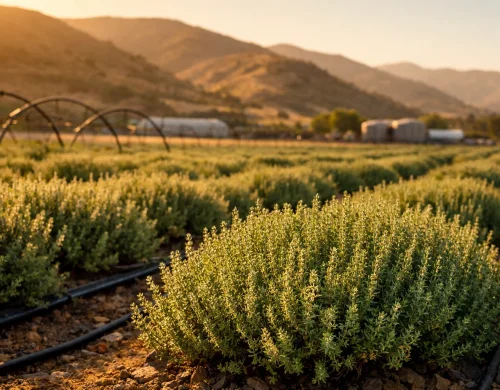
How Sun Exposure Affects Essential Oil Concentration (Industrial Guide)
In industrial botanical sourcing, essential oil concentration is not a “nice-to-know” it’s a measurable factor that can affect extraction...
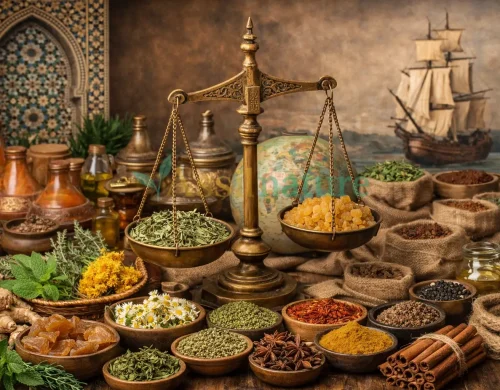
Moroccan Medicinal Herbs in Global Trade
The global trade of medicinal herbs has expanded significantly as international buyers seek reliable natural ingredients with consistent...
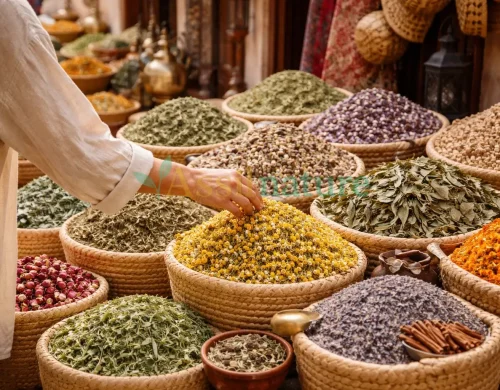
How to Choose the Right Moroccan Herbal Supplier for Global Trade
Choosing the right Moroccan herbal supplier is a critical decision for global buyers operating in regulated and competitive markets. Supplier...