 Mon - Fri: 9:00 - 19:00 GTM
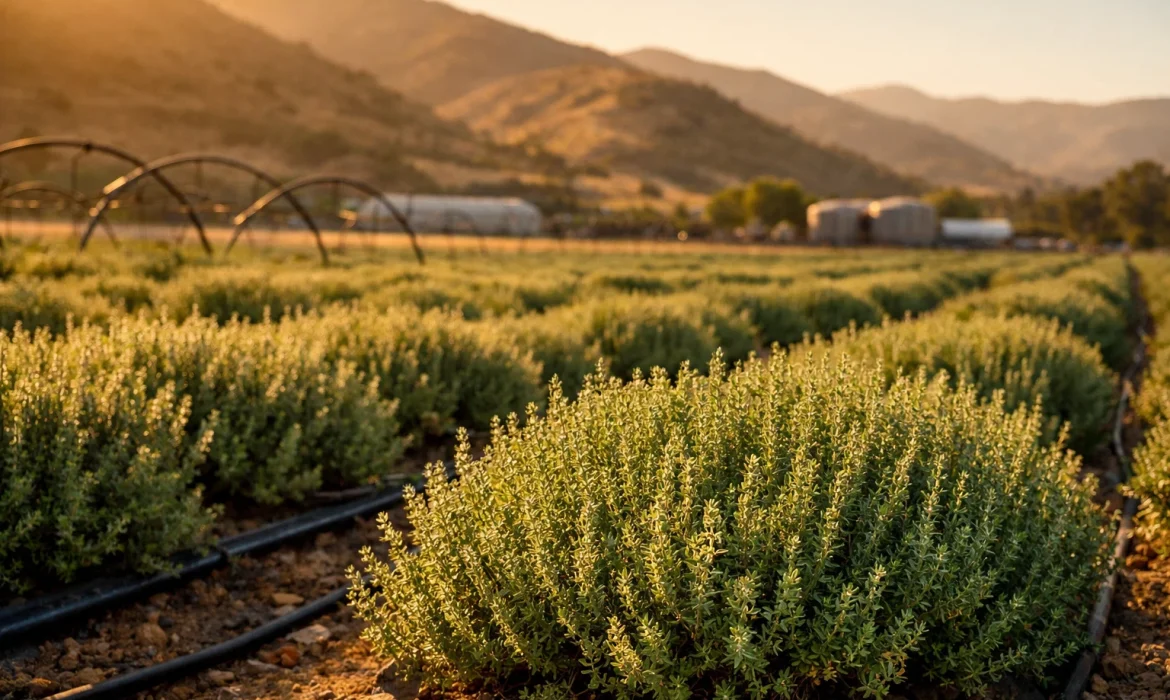
How Sun Exposure Affects Essential Oil Concentration (Industrial Guide)
In industrial botanical sourcing, essential oil concentration is not a “nice-to-know” it’s a measurable factor that can affect extraction yield, aroma intensity, chemotype stability, and batch consistency. One of the strongest drivers behind those differences is sun exposure.
At Assil Nature, we work within a Mediterranean environment where sunlight intensity and seasonal patterns can shape the chemistry of aromatic plants.
This guide explains how and why sunlight changes essential oil concentration, and what that means for manufacturers buying Moroccan medicinal herbs in bulk.
If you’re building a sourcing strategy around Moroccan botanicals, start with our guide: Moroccan Medicinal Herbs Guide
.
Why this matters for B2B buyers
- Extraction yield: concentrated oils can reduce the raw material volume needed per kg of extract.
- Terpene profile stability: sunlight influences key compounds (e.g., thymol, carvacrol, cineole, linalool).
- Quality control: UV + heat + water stress can change aroma and oxidation sensitivity.
- Supplier consistency: understanding sun exposure helps interpret seasonal variation in COA results.
The science of essential oil formation
Essential oils are secondary metabolites. Plants do not produce them for basic nutrition; they produce them to adapt to their environment.
In aromatic crops, these volatile compounds can help with UV protection, pest resistance, and microbial defense.
Sun exposure can influence essential oils through three main mechanisms:
- Photosynthetic energy: sunlight increases photosynthesis, providing more energy for metabolite synthesis.
- Stress signaling: UV and heat trigger defensive pathways that can increase certain terpenes.
- Gland development: strong sun conditions can affect the density and activity of oil glands (trichomes).
The key is balance: moderate stress can increase concentration, but excessive heat/UV can degrade delicate volatiles and reduce overall biomass.
That’s why professional sourcing focuses on both yield and profile.
Sunlight intensity: Moderate vs. Strong Sun Exposure
The intensity, duration, and seasonal pattern of sun exposure create measurable differences in oil yield and terpene profile.
Moderate Sun Exposure
In regions with balanced sunlight and mild temperatures, aromatic plants often produce:
- Stable biomass growth
- Balanced terpene composition
- Lower phenolic intensity
- More subtle aromatic profile
These conditions are typically found in temperate or northern European climates where UV intensity is lower and drought stress is minimal.
Strong Mediterranean Sun Exposure
In Mediterranean climates like Morocco, long daylight hours and high UV levels create a different biochemical response.
Plants adapt by increasing protective compounds, many of which are components of essential oils.
- Higher glandular trichome density
- Increased phenolic compounds (e.g., thymol, carvacrol)
- More intense aromatic profile
- Higher oil concentration per dry weight (in many species)
This is one reason why Moroccan thyme, rosemary, and oregano are often valued in international markets.
You can explore more about regional plant advantages in our
Moroccan Medicinal Herbs Guide
.
UV Radiation and Essential Oil Chemical Composition (Chemotypes)
Sun exposure does not only influence the quantity of essential oil.
It can also affect the chemical composition — particularly the balance of dominant compounds.
In aromatic crops, UV radiation stimulates stress-response pathways that alter terpene biosynthesis.
Examples of Sun-Influenced Compounds
- Thyme: Thymol concentration may increase under higher UV stress.
- Oregano: Carvacrol levels can shift depending on sunlight intensity.
- Rosemary: 1,8-Cineole and camphor ratios may vary by exposure.
- Lavender: Linalool and linalyl acetate balance may fluctuate seasonally.
These variations create what are known as chemotypes — plants of the same species but with different dominant chemical compounds.
For B2B buyers, this means origin and sun exposure conditions are not cosmetic details.
They directly influence:
- Antimicrobial activity
- Flavor intensity
- Therapeutic applications
- Extraction efficiency
Professional sourcing requires understanding seasonal sun patterns and how they translate into COA variability.
Sun Exposure, Water Stress, and Essential Oil Concentration
Sun exposure rarely acts alone. In Mediterranean environments, strong sunlight is often accompanied by controlled water stress.
The interaction between solar radiation and irrigation management plays a decisive role in essential oil concentration.
Moderate Water Stress Effect
When aromatic plants experience moderate drought conditions combined with high sun exposure, they activate stress-defense mechanisms.
This frequently leads to:
- Increased terpene synthesis
- Higher oil concentration per gram of dry matter
- Stronger phenolic compound expression
However, excessive stress may reduce biomass yield and overall harvest volume.
The goal in professional cultivation is controlled stress — not uncontrolled dehydration.
At industrial level, experienced producers carefully balance:
- Drip irrigation cycles
- Soil mineral management
- Seasonal sun exposure intensity
- Pre-harvest moisture levels
Daily Fluctuation: When Does Essential Oil Concentration Peak?
Essential oil concentration is not constant throughout the day.
Sunlight triggers metabolic activity that can fluctuate between morning and midday.
Morning Harvest
- Lower evaporation losses
- Better volatile preservation
- Reduced oxidative degradation
Midday Harvest
- Peak photosynthetic activity
- Maximum metabolic production in certain species
- Higher oil concentration in some aromatic crops
Professional farms often conduct small-batch lab testing to determine the optimal harvesting window for each species.
This ensures maximum oil yield while maintaining chemical stability.
Seasonal Sun Exposure and Annual Oil Variation
Beyond daily fluctuations, seasonal sun exposure significantly impacts essential oil concentration.
Summer months in high-sun regions often produce:
- More concentrated aromatic compounds
- Higher phenolic percentages
- Stronger antimicrobial properties
Spring harvests may offer:
- More delicate aromatic balance
- Lower phenolic harshness
- Preferred profile for cosmetic formulations
For B2B buyers, this highlights the importance of:
- Seasonal sourcing transparency
- COA comparison across harvest cycles
- Understanding regional climate patterns
Post-Harvest Handling: Preserving Sun-Induced Essential Oil Concentration
Sun exposure may increase essential oil concentration in the field, but poor post-harvest handling can quickly destroy that advantage.
After harvest, aromatic plants remain chemically active. Improper drying, excessive heat, or prolonged UV exposure may cause:
- Oxidation of volatile compounds
- Loss of top-note aromatics
- Reduction in terpene stability
- Color degradation
Controlled Drying vs. Open Sun Drying
Open sun drying may seem traditional, but extended UV exposure can degrade delicate essential oil fractions.
Controlled drying environments allow:
- Temperature regulation
- Airflow optimization
- Moisture balance control
- Protection from excessive UV degradation
This ensures that the natural advantage gained from Mediterranean sun exposure is preserved rather than compromised.
Sun Exposure and Industrial Extraction Efficiency
For manufacturers, essential oil concentration directly affects extraction economics.
Higher concentration plants may result in:
- Improved steam distillation yield
- Reduced raw material consumption
- More efficient CO2 extraction
- Stronger aromatic intensity in finished products
However, extremely high phenolic content may require careful handling depending on the intended application (cosmetic vs. pharmaceutical vs. flavoring).
This is why origin, climate data, and harvest documentation should be part of any professional sourcing agreement.
Mediterranean vs. Cooler Climate: A Comparative Overview
| Factor | Mediterranean Climate | Cooler / Northern Climate |
|---|---|---|
| Annual Sun Hours | High | Moderate |
| UV Intensity | Strong | Lower |
| Oil Concentration (per dry weight) | Often Higher | Moderate |
| Phenolic Compounds | Elevated in some species | Balanced |
| Biomass Yield | Slightly Lower | Often Higher |
Both climates have advantages.
Mediterranean regions may produce more concentrated oils,
while cooler climates may offer larger biomass yield.
The optimal sourcing strategy depends on your formulation goals,
regulatory requirements, and target chemical profile.
Strategic Buyer Checklist: Evaluating Sun Exposure Impact Before Purchasing
For industrial buyers sourcing aromatic plants or essential oil raw material, understanding sun exposure conditions can improve purchasing decisions and long-term consistency.
Before finalizing a supplier, consider asking:
- What is the average annual sun exposure in the cultivation region?
- Is irrigation controlled to avoid excessive drought stress?
- Are harvest months documented for each batch?
- Is there seasonal COA comparison available?
- What drying method is used post-harvest?
These questions reduce variability risks and help maintain formulation stability. For a broader understanding of Moroccan aromatic sourcing, explore our main resource: Moroccan Medicinal Herbs Guide
.
Strategic Buyer Checklist: Evaluating Sun Exposure Impact Before Purchasing
For industrial buyers sourcing aromatic plants or essential oil raw material, understanding sun exposure conditions can improve purchasing decisions and long-term consistency.
Before finalizing a supplier, consider asking:
- What is the average annual sun exposure in the cultivation region?
- Is irrigation controlled to avoid excessive drought stress?
- Are harvest months documented for each batch?
- Is there seasonal COA comparison available?
- What drying method is used post-harvest?
These questions reduce variability risks and help maintain formulation stability.
Frequently Asked Questions
Why is supplier selection critical in herbal trade?
Supplier selection directly influences quality consistency, oil concentration stability, documentation accuracy, and regulatory compliance. A structured supplier evaluation reduces sourcing risk, ensures traceability, and supports long-term commercial scalability.
Does more sun always increase essential oil concentration?
Not necessarily. Moderate sun exposure combined with controlled water stress can stimulate secondary metabolite production and enhance oil concentration. However, excessive heat and intense UV radiation may degrade volatile compounds, reduce biomass yield, and alter terpene balance.
Why are Mediterranean herbs often more concentrated?
Mediterranean climates provide high solar intensity, mineral-rich soils, and seasonal drought stress. These environmental conditions stimulate terpene biosynthesis and phenolic compound production, often resulting in higher essential oil concentration compared to low-stress climates.
Can essential oil composition change seasonally?
Yes. Seasonal variations in sunlight duration, temperature, and water availability influence terpene ratios and phenolic levels. For industrial buyers, documented harvest timing is essential to maintain chemical profile consistency between batches.
Does drying method affect sun-induced oil concentration?
Absolutely. Improper drying can oxidize or degrade essential oils, especially monoterpenes. Controlled drying at regulated temperatures preserves the natural concentration developed during cultivation and prevents loss of volatile compounds.
Is higher oil concentration always better?
Not always. The optimal oil concentration depends on the final application. Pharmaceutical extraction may prioritize high phenolic or active compound content, while cosmetic and aromatherapy formulations often require balanced aromatic profiles rather than maximum intensity.
Who benefits most from a structured supplier evaluation process?
Importers, procurement departments, private label brands, and manufacturers benefit from structured evaluation. It ensures predictable sourcing, regulatory alignment, and scalable long-term partnerships.
Sun Exposure as a Strategic Sourcing Variable
Sun exposure is not just an environmental factor it is a strategic variable in essential oil production.
It influences:
- Oil concentration
- Chemical composition
- Extraction yield
- Batch consistency
Understanding how sunlight interacts with cultivation practices allows buyers to make informed decisions when sourcing aromatic plants in bulk.
At Assil Nature, climate knowledge, cultivation transparency, and post-harvest control are integrated to ensure consistent quality control for international B2B partners.
Looking for High-Concentration Moroccan Aromatic Herbs?
At Assil Nature, we work with carefully selected cultivation zones
where sun exposure, harvest timing, and post-harvest control
are optimized for industrial extraction performance.
Contact our sourcing team to request:
- Batch COA samples
- Seasonal harvest documentation
- Bulk pricing quotation
- Custom specification matching
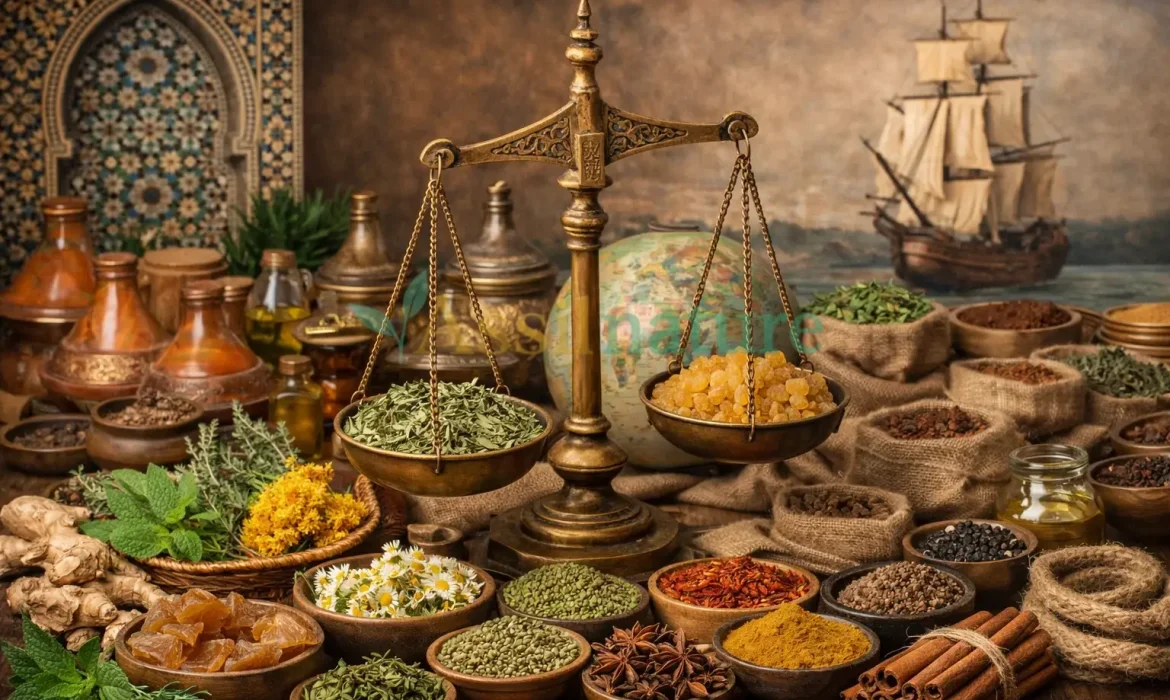
Moroccan Medicinal Herbs in Global Trade
The global trade of medicinal herbs has expanded significantly as international buyers seek reliable natural ingredients with consistent quality and traceable origins. Within this evolving landscape, Morocco has established a distinct position as a long-standing supplier of medicinal herbs and aromatic plants.
Moroccan medicinal herbs have moved beyond regional trade and traditional distribution channels. Today, they are integrated into global supply chains serving pharmaceutical, cosmetic, food, and natural product industries across multiple markets.
This article examines Moroccan medicinal herbs in global trade by exploring market dynamics, buyer expectations, and the strategic factors that shape international sourcing decisions. The focus remains on trade structure, quality considerations, and commercial relevance rather than product claims.
Morocco’s Position in the Global Medicinal Herb Market
Morocco occupies a strategic position in the global medicinal herb market due to its geographic location, ecological diversity, and established sourcing networks. These factors allow Moroccan suppliers to serve a wide range of international buyers with varied requirements.
The country’s role in global trade is shaped by both traditional harvesting regions and modern export-oriented operations. This combination enables Morocco to supply bulk raw materials as well as value-focused botanical ingredients for different market segments.
International buyers often view Morocco as a bridge between regional sourcing and global distribution. Its proximity to Europe, access to maritime trade routes, and experience with export documentation support efficient trade flows.
Rather than competing solely on volume, Moroccan medicinal herbs are positioned within global trade through reliability, adaptability, and alignment with buyer-driven sourcing models.
Key Export Markets and Buyer Segments
Moroccan medicinal herbs are exported to a diverse range of international markets, each with distinct purchasing behaviors and regulatory expectations. Understanding these markets helps clarify how Moroccan products are positioned within global trade.
European markets remain among the primary destinations due to geographic proximity and established trade relationships. Buyers in these regions often prioritize documentation, consistency, and alignment with quality and safety standards.
North America represents another important buyer segment. Importers and brands in this market focus on traceability, supplier transparency, and the ability to support long-term supply agreements.
Emerging markets in the Middle East and parts of Asia also contribute to global demand. These buyers may emphasize volume flexibility and reliable logistics while gradually increasing quality and documentation requirements.
Across these markets, buyer segments typically include ingredient importers, cosmetic and personal care manufacturers, food and beverage producers, and distributors supplying downstream industries.
Trade Flows, Logistics, and Supply Chain Considerations
Global trade in Moroccan medicinal herbs relies on established logistics networks that connect sourcing regions with international buyers. Efficient trade flows depend on coordination between suppliers, exporters, logistics providers, and destination-market partners.
Maritime transport remains the primary channel for bulk shipments, supporting cost efficiency and scalability. At the same time, smaller or time-sensitive orders may move through alternative logistics arrangements depending on buyer requirements.
Supply chain planning also involves inventory management and seasonal alignment. Moroccan herbal availability can vary throughout the year, which requires coordination between harvesting cycles, processing capacity, and export scheduling.
Documentation accuracy and shipment preparation play a critical role in logistics performance. Clear records, proper packaging, and alignment with destination-market expectations help reduce delays during inspection and customs clearance.
For global buyers, understanding these supply chain considerations supports better planning. It allows procurement teams to anticipate lead times, manage risk, and align sourcing strategies with operational needs.
Quality Standards, Sourcing Practices, and Buyer Expectations
Quality standards play a central role in how Moroccan medicinal herbs are evaluated in global trade. International buyers expect sourcing practices that support consistency, traceability, and alignment with destination-market requirements.
Professional suppliers apply structured sourcing methods rather than ad-hoc collection. This includes defined harvesting criteria, controlled post-harvest handling, and storage practices designed to preserve botanical integrity throughout the supply chain.
Buyers also assess how quality is monitored over time. Clear procedures for inspection, batch segregation, and corrective actions help reduce variability and support repeat procurement.
In addition, buyer expectations extend beyond physical product characteristics. Documentation accuracy, transparency in communication, and responsiveness to technical questions are often viewed as indicators of overall supplier reliability.
Together, quality standards and sourcing practices form the basis for trust in global trade. They enable buyers to integrate Moroccan medicinal herbs into their operations with greater confidence and reduced operational risk.
To understand how quality is assessed in international sourcing, see our article on quality control in medicinal herb export.
Strategic Relevance of Moroccan Medicinal Herbs in Global Trade
Within global trade, Moroccan medicinal herbs hold strategic relevance beyond short-term supply considerations. Buyers increasingly view sourcing decisions as part of broader risk management and long-term positioning strategies.
Morocco offers a combination of botanical diversity, established trade relationships, and adaptable supply structures. This allows buyers to integrate Moroccan origin into diversified sourcing portfolios rather than relying on single-market dependencies.
In addition, Moroccan suppliers often operate within mixed sourcing models that combine traditional knowledge with export-oriented practices. This balance supports both authenticity and commercial scalability when aligned with modern quality systems.
For international buyers, strategic relevance also lies in flexibility. The ability to adjust volumes, specifications, and documentation over time enables smoother responses to market changes and regulatory updates.
As global trade environments continue to evolve, Moroccan medicinal herbs remain positioned as reliable inputs within sourcing strategies that prioritize continuity, adaptability, and long-term cooperation.
Positioning Moroccan Medicinal Herbs Within a Global Trade Framework
In a competitive global environment, the value of Moroccan medicinal herbs is defined by how well they align with international trade frameworks rather than by origin alone. Buyers increasingly seek suppliers and origins that combine sourcing reliability with clear operational standards.
When integrated into global trade strategies, Moroccan medicinal herbs benefit from structured sourcing practices, quality oversight, and adaptable logistics. These elements help buyers manage risk while maintaining flexibility across markets and product categories.
For decision-makers, understanding this positioning supports informed procurement planning. It clarifies how Moroccan origin can contribute to diversified sourcing portfolios without compromising consistency or compliance.
Ultimately, Moroccan medicinal herbs occupy a sustainable role in global trade when cultural context, quality systems, and commercial discipline operate together. This balance enables long-term participation in international supply chains.
For a comprehensive overview, explore our main resource on Moroccan medicinal herbs guide developed for global buyers and importers.
Frequently Asked Questions
What role do Moroccan medicinal herbs play in global trade?
Moroccan medicinal herbs serve as reliable botanical inputs in global trade, supporting diversified sourcing strategies through established supply networks and export experience.
Which industries commonly source Moroccan medicinal herbs?
Common buyer segments include ingredient importers, cosmetic manufacturers, food and beverage producers, and distributors supplying natural product industries.
Why do buyers value Moroccan origin in international markets?
Buyers value Moroccan origin due to its combination of botanical diversity, sourcing continuity, and alignment with international trade and quality expectations.
How do quality standards affect global trade positioning?
Quality standards support consistency, traceability, and buyer confidence, enabling Moroccan medicinal herbs to integrate smoothly into regulated global markets.
Are Moroccan medicinal herbs suitable for long-term sourcing strategies?
Yes. When supported by structured sourcing and export practices, Moroccan medicinal herbs can contribute to stable, long-term supply arrangements.
Who benefits most from understanding Moroccan herbal trade dynamics?
Importers, procurement teams, brand strategists, and distributors benefit from understanding trade dynamics to optimize sourcing and market positioning.
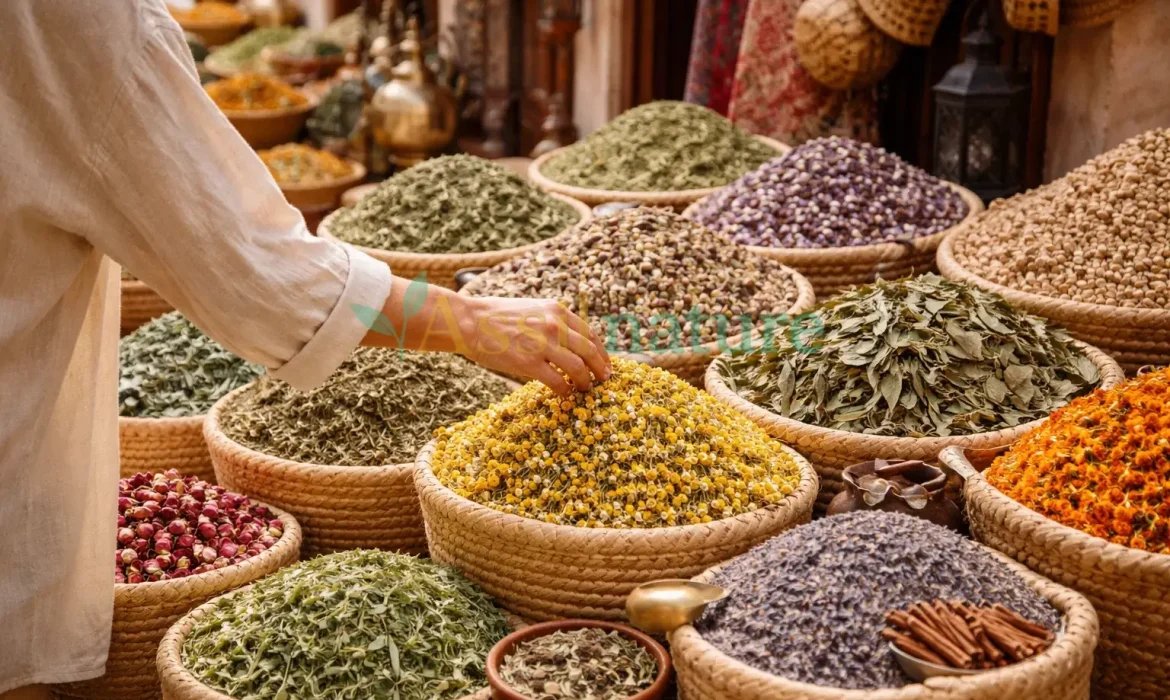
How to Choose the Right Moroccan Herbal Supplier for Global Trade
Choosing the right Moroccan herbal supplier is a critical decision for global buyers operating in regulated and competitive markets. Supplier selection directly affects product consistency, regulatory compliance, and long-term sourcing reliability.
While Morocco offers a wide range of medicinal herbs and aromatic plants, not all suppliers operate at the same professional level. Differences in documentation, quality control, and communication can significantly impact international trade outcomes.
This article outlines a practical framework to help buyers evaluate Moroccan suppliers objectively. It focuses on commercial readiness, export capability, and alignment with global sourcing standards, rather than promotional claims or price-based decisions.
Why Choosing the Right Supplier Matters in Herbal Trade
In herbal trade, supplier selection goes beyond product availability. A reliable supplier influences quality stability, shipment approval, and brand reputation in destination markets.
Inconsistent sourcing often leads to documentation gaps, variable material quality, or delays during inspection and customs clearance. These issues increase operational risk and can disrupt supply chains.
By contrast, a professional Moroccan herbal supplier operates with clear processes. This includes defined sourcing practices, documented handling procedures, and transparent communication with buyers.
For international importers, choosing the right supplier reduces uncertainty. It supports predictable outcomes, easier regulatory alignment, and the potential for long-term commercial cooperation.
Key Criteria Global Buyers Use to Evaluate Moroccan Herbal Suppliers
Global buyers evaluate herbal suppliers using a set of practical criteria that go beyond product descriptions. These criteria focus on operational readiness, consistency, and the supplier’s ability to meet international trade expectations.
One of the first factors buyers examine is sourcing structure. A reliable supplier can clearly explain where herbs come from, how they are collected or cultivated, and how supply continuity is maintained across seasons.
Documentation is another critical element. Export-ready suppliers provide clear product specifications, basic traceability information, and supporting records that align with buyer requirements and destination market regulations.
In addition, quality control practices play a central role. Buyers look for suppliers who apply defined handling, drying, and storage procedures rather than ad-hoc methods. This reduces variability between batches and supports repeat orders.
Communication standards also matter. Professional suppliers respond clearly, share accurate information, and manage expectations realistically. Consistent communication often signals internal organization and long-term reliability.
Together, these criteria help buyers distinguish between suppliers who are export-ready and those who operate primarily for local or informal markets.
Documentation, Traceability, and Export Readiness
For global buyers, documentation is not an administrative detail. It is a core indicator of supplier professionalism and export readiness. Moroccan herbal suppliers who operate internationally must be able to provide clear and consistent information about their products.
At a minimum, buyers expect basic documentation such as product specifications, origin details, and batch-level information. These documents support internal approval processes and help buyers assess whether a supplier can meet regulatory and commercial requirements.
Traceability is closely linked to documentation quality. A reliable supplier can explain how herbs move from sourcing to processing and storage. This does not require complex systems, but it does require transparency and repeatable procedures.
Export-ready suppliers also understand destination market expectations. They prepare documentation that aligns with buyer requests rather than relying on generic or incomplete records. This reduces delays during inspections and minimizes the risk of shipment rejection.
For buyers, strong documentation and traceability reduce uncertainty. They provide confidence that the supplier can support long-term cooperation, scaling, and compliance as trade volumes grow.
Quality Control, Handling, and Consistency Across Batches
Quality control is a defining factor when choosing a Moroccan herbal supplier for global trade.
Buyers are less concerned with claims and more focused on whether quality can be maintained consistently over time.
Professional suppliers apply defined handling practices from the moment herbs are collected or received. This includes controlled drying conditions, appropriate storage environments, and procedures designed to protect botanical integrity.
Consistency across batches is particularly important for buyers supplying brands or manufacturers. Variations in moisture levels, appearance, or aroma can disrupt formulation processes and affect product performance in downstream applications.
For this reason, buyers look for suppliers who monitor key quality indicators and apply corrective actions when deviations occur. Even simple quality systems, when applied consistently, signal operational discipline.
Ultimately, reliable quality control reduces risk. It allows buyers to plan procurement with greater confidence and supports repeat orders without extensive re-evaluation.
Compliance Awareness and Market-Specific Requirements
Global herbal trade operates within a framework of regulatory and market-specific requirements. Buyers expect Moroccan herbal suppliers to understand that compliance is not universal and may vary from one destination market to another.
A professional supplier demonstrates awareness of these differences. This includes understanding basic expectations related to labeling, documentation format, and permissible product descriptions in target markets.
Rather than offering generic assurances, experienced suppliers ask relevant questions. They seek clarity on buyer requirements and adapt documentation or handling practices accordingly.
Compliance awareness also affects communication efficiency. Suppliers who understand regulatory constraints can provide accurate information without delays or misunderstandings during the negotiation process.
For buyers, this awareness reduces friction. It minimizes the risk of compliance-related issues and supports smoother transactions, especially during initial shipments or market entry phases.
Communication, Transparency, and Long-Term Reliability
In international herbal trade, communication quality often reflects internal organization. Global buyers rely on clear, timely, and accurate exchanges to make informed sourcing decisions and manage expectations across borders.
A reliable Moroccan herbal supplier communicates proactively. This includes providing complete answers, clarifying limitations, and confirming details before issues arise. Transparency at early stages reduces misunderstandings later in the process.
Consistency in communication is equally important. Suppliers who maintain clear records, follow up on requests, and align internal teams demonstrate operational discipline that buyers value.
Long-term reliability develops through repeated interactions. When suppliers deliver consistent information and manage changes responsibly, buyers gain confidence in their ability to scale cooperation over time.
For global buyers, strong communication and transparency reduce dependency risks. They support predictable planning and form the foundation for stable, long-term supplier relationships.
Building Confident Supplier Partnerships in Morocco
Selecting the right Moroccan herbal supplier requires a structured evaluation rather than intuition or promotional messaging. Buyers who apply clear criteria can reduce risk and improve sourcing outcomes across international markets.
A professional supplier demonstrates readiness through documentation, quality control practices, and market awareness. These elements signal the supplier’s ability to operate beyond local trade and support consistent international cooperation. At the same time, strong communication and transparency reinforce trust. Suppliers who manage expectations clearly and adapt to buyer requirements are better positioned for long-term commercial relationships.
For buyers seeking a broader sourcing perspective, our detailed overview of Moroccan medicinal herbs provides essential insights into origin, quality considerations, and export applications across global markets.
For global buyers, a disciplined selection process transforms supplier choice into a strategic advantage. It supports predictable supply, smoother transactions, and scalable partnerships within Morocco’s herbal sourcing landscape.
Frequently Asked Questions
Why is supplier selection critical in herbal trade?
Supplier selection directly affects quality consistency, documentation accuracy, and regulatory alignment. Choosing the right supplier reduces sourcing risk and supports long-term commercial stability.
What should buyers verify before working with a Moroccan herbal supplier?
Buyers should verify sourcing structure, documentation readiness, quality control practices, and the supplier’s understanding of export requirements.
How important is documentation when choosing a supplier?
Documentation is essential because it supports traceability, internal approvals, and compliance with destination market expectations.
Do all Moroccan herbal suppliers meet international standards?
No. Supplier capabilities vary. Some operate primarily for local markets, while export-ready suppliers apply structured processes aligned with international trade.
How can buyers assess supplier reliability over time?
Reliability can be assessed through consistent communication, stable quality across batches, and the supplier’s ability to manage documentation and compliance requirements.
Who benefits most from a structured supplier evaluation process?
Importers, procurement teams, brands, and manufacturers benefit from structured evaluation because it supports predictable sourcing and scalable partnerships.
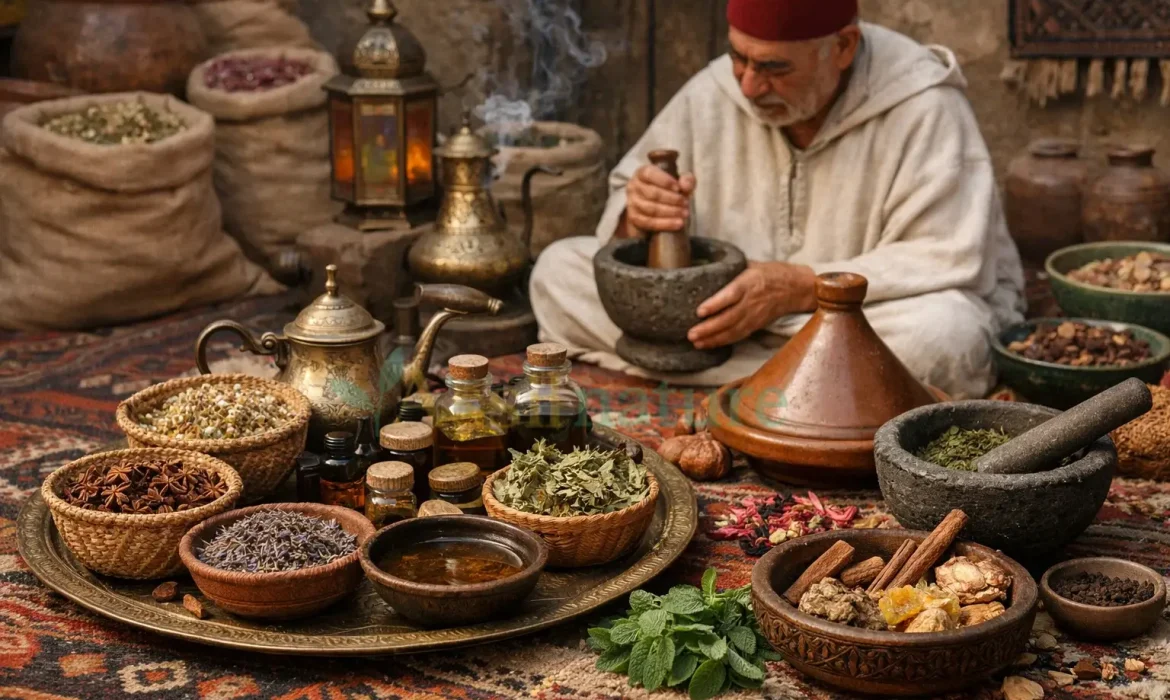
Traditional Uses of Moroccan Medicinal Herbs: Cultural Roots and Modern Relevance
The traditional uses of Moroccan herbs reflect centuries of accumulated knowledge shaped by geography, climate, and cultural exchange. Across rural and urban communities, herbs were historically integrated into daily routines, food preparation, and artisanal practices rather than isolated medical systems.
For international buyers and ingredient professionals, understanding these traditional uses provides important context. It explains why Moroccan botanical materials are still valued today for their origin, handling traditions, and cultural credibility in global supply chains.
This article explores how traditional herbal practices in Morocco developed over time and how they continue to influence modern applications. Rather than focusing on therapeutic claims, it highlights heritage, sourcing logic, and relevance for contemporary industries.
Historical Foundations of Herbal Practices in Morocco
Herbal practices in Morocco developed through long-term interaction between local populations and their natural environment. Communities relied on observation, seasonal patterns, and repeated use to understand how plants behaved under different conditions.
Over time, this knowledge was influenced by Amazigh traditions, Arab-Islamic scholarship, and regional trade routes. As a result, Moroccan herbal culture evolved as a layered system rather than a single uniform approach.
Importantly, herbs were not viewed as isolated remedies. Instead, they formed part of broader lifestyle practices that included food preparation, preservation, hygiene, and craftsmanship. This practical integration shaped how plants were selected, stored, and exchanged.
For modern buyers, these historical foundations help explain why origin, region, and traditional handling methods still matter when evaluating Moroccan herbal raw materials for professional use.
Herbs in Daily Life, Cuisine, and Household Practices
In Morocco, herbs were traditionally part of everyday life rather than reserved for specialized uses. Households relied on locally available plants for cooking, food preservation, and basic domestic routines.
As a result, herbal knowledge developed through repeated daily interaction rather than formal instruction.
In culinary contexts, herbs such as thyme, rosemary, and mint were commonly used to enhance flavor and balance complex spice combinations. At the same time, their use reflected practical considerations related to storage conditions, seasonal availability, and ingredient compatibility.
Beyond cooking, herbs were integrated into household practices that supported cleanliness, freshness, and material care. For example, dried plants were used for natural scenting, while infused botanical solutions played a role in basic hygiene and textile maintenance.
These domestic applications helped communities develop a practical understanding of plant quality. Characteristics such as aroma strength, visual integrity, and moisture content became informal indicators of suitability. Today, these same criteria remain relevant for buyers assessing herbal raw materials for professional sourcing.
Therefore, traditional household use did more than preserve cultural habits. It established early standards of evaluation that continue to influence how Moroccan herbs are perceived in modern supply chains.
For insight into how botanical materials are evaluated in professional settings, see our article on laboratory assessment of herbal raw materials.
Transmission of Traditional Herbal Knowledge Across Communities
Traditional herbal knowledge in Morocco was primarily transmitted through community interaction and family experience. Rather than relying on written manuals, people learned through observation, repetition, and shared practice within their local environment.
In rural areas, this knowledge often passed from one generation to the next through daily activities. Harvesting, drying, and storing herbs became learning moments embedded in routine tasks. As a result, practical skills developed naturally over time.
Urban centers also played an important role. Local markets served as informal hubs where herbalists, traders, and artisans exchanged materials and insights. These interactions helped standardize expectations related to appearance, aroma, and handling quality without formal regulation.
Moreover, regional variation shaped how knowledge evolved. Coastal, mountainous, and arid regions each developed distinct practices based on climate and available plant species. This diversity contributed to a broad and adaptable herbal culture rather than a fixed system.
For modern buyers, understanding this method of knowledge transmission offers valuable perspective. It explains why Moroccan herbs are often associated with strong regional identity and why origin continues to matter in professional sourcing decisions.
From Traditional Uses to Modern Industrial Applications
Over time, the traditional uses of Moroccan herbs began to influence modern industrial practices. As global demand for natural ingredients increased, manufacturers started to re-examine historical usage patterns as reference points rather than functional instructions.
In the cosmetics and personal care industries, Moroccan herbs are now selected for their aromatic profiles, botanical origin, and compatibility with clean-label formulations. Traditional familiarity with these plants has supported a smoother transition toward standardized extraction and formulation processes.
Similarly, food and beverage producers incorporate Moroccan herbs as natural flavoring and sensory components. In this context, heritage contributes to product identity while modern processing ensures consistency, safety, and regulatory compliance.
At the same time, laboratories apply analytical methods to validate quality parameters that were previously assessed through experience alone. Visual integrity, moisture levels, and aromatic concentration are now measured under controlled conditions.
Therefore, traditional knowledge does not replace modern standards. Instead, it provides a cultural framework that supports sourcing decisions when combined with traceability systems, documentation, and international specifications.
Regional Diversity and Its Impact on Traditional Herbal Practices
Morocco’s geographic diversity has played a decisive role in shaping traditional herbal practices. Coastal zones, mountain regions, plateaus, and arid areas each developed distinct approaches based on local climate, soil conditions, and plant availability.
In mountainous regions, communities traditionally relied on wild-growing species adapted to cooler temperatures and variable rainfall. As a result, harvesting practices emphasized timing, altitude, and careful drying to preserve plant integrity.
By contrast, coastal and lowland areas favored herbs associated with milder conditions and easier access to trade routes. These regions often became early exchange points, where botanical materials were sorted, combined, and redistributed.
Furthermore, arid and semi-arid zones encouraged selective use and careful conservation of resources. Limited availability led to practical methods focused on efficiency, storage stability, and reuse. These constraints shaped local expertise and reinforced attention to material quality.
For modern buyers, regional diversity explains why Moroccan herbs are rarely uniform in character. Origin-specific differences in aroma, texture, and appearance remain important considerations when sourcing botanical raw materials for professional applications.
Traditional Knowledge Versus Modern Documentation Standards
Traditional herbal knowledge in Morocco developed through experience and repeated practice rather than formal documentation. Communities relied on observation, seasonal awareness, and shared understanding to maintain consistency in how herbs were selected and handled.
However, modern international markets operate under different requirements. Buyers, laboratories, and manufacturers now depend on documented specifications, traceability records, and standardized quality parameters to ensure compliance and repeatability.
As a result, Moroccan herbal sourcing has evolved to bridge these two systems. Traditional selection criteria, such as visual integrity and aroma strength, are increasingly supported by written procedures, batch records, and analytical verification.
This transition does not diminish traditional expertise. Instead, it translates practical knowledge into formats that meet modern expectations. Documentation allows historical practices to be aligned with regulatory frameworks and global supply chain standards.
For international buyers, this alignment offers reassurance. It demonstrates that cultural heritage and modern compliance can coexist without compromising reliability, transparency, or scalability.
To explore the broader export and sourcing landscape, visit our complete overview of Moroccan medicinal herbs for global buyers.
Cultural Heritage as a Value Driver in Global Herbal Sourcing
The traditional uses of Moroccan herbs continue to shape how botanical materials are perceived in international markets. Rather than serving as historical references alone, these practices contribute to a broader understanding of sourcing logic, regional expertise, and material selection.
When cultural heritage is combined with modern quality systems, it strengthens supply credibility. Buyers gain clearer insight into why specific plants are valued, how they have been handled over time, and what expectations surround their consistency and integrity.
For global brands and laboratories, this balance offers practical advantages. It supports transparent communication, reinforces product narratives, and aligns origin-based value with documented standards. As a result, Moroccan herbs remain relevant across cosmetic, food, and natural ingredient industries.
Ultimately, cultural heritage functions as a strategic layer within professional sourcing. It adds context without replacing modern compliance, allowing Moroccan botanical materials to meet both traditional expectations and contemporary market requirements.
Frequently Asked Questions
What are the traditional uses of Moroccan herbs?
The traditional uses of Moroccan herbs developed through daily life, culinary practices, household routines, and artisanal traditions. These uses reflect cultural experience and regional knowledge rather than standardized medical systems.
Are traditional herbal uses in Morocco considered medical treatment?
No. Traditional uses describe cultural and practical applications. They do not represent medical or therapeutic claims in modern regulatory and commercial contexts.
Why are Moroccan herbs still relevant for modern industries?
Moroccan herbs remain relevant because cultural heritage supports sourcing logic and ingredient selection when combined with modern quality control, traceability, and compliance requirements.
How does cultural heritage influence sourcing decisions?
Cultural heritage helps buyers understand origin, regional variation, and traditional handling practices. This context supports more informed procurement and long-term supplier evaluation.
Do traditional practices affect quality evaluation today?
Yes. Traditional evaluation criteria such as aroma, visual integrity, and handling awareness still matter. Today, professionals verify these factors through documented processes and laboratory analysis.
Who benefits from understanding traditional herbal uses?
Importers, laboratories, cosmetic brands, and ingredient buyers benefit from this context because it supports product positioning, sourcing confidence, and communication around botanical origin.
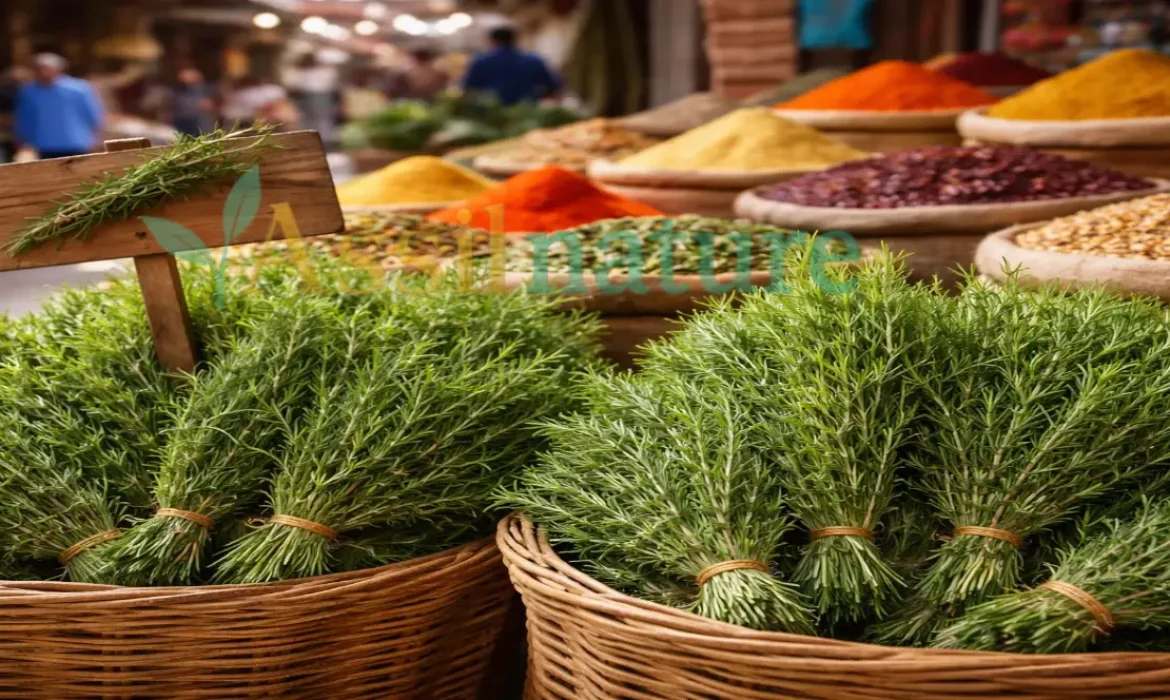
Rosemary from Morocco: Market Demand & Quality
Rosemary from Morocco is increasingly recognized in international markets for its consistent quality and broad commercial relevance. As global demand for aromatic herbs continues to expand, Moroccan rosemary has secured a strong position across food, botanical, and industrial supply chains.
As interest in Moroccan rosemary export continues to grow, buyers increasingly focus on quality consistency and export readiness. Buyers sourcing rosemary today focus not only on origin, but also on processing standards, supply reliability, and export readiness. These factors influence purchasing decisions for bulk trade and long-term procurement.
This article examines market demand for Moroccan rosemary, highlights key quality characteristics, and explains why it remains a competitive export herb in global markets.
Why Moroccan Rosemary Is in Global Demand
Moroccan rosemary benefits from growing conditions that support aromatic consistency and stable supply volumes. Its adaptability to different applications makes it a practical ingredient for international buyers.
From a commercial perspective, rosemary from Morocco is valued for its availability in bulk quantities and its ability to meet standardized quality expectations across multiple markets.
As demand increases for natural and plant-based ingredients, Moroccan rosemary continues to attract interest from buyers seeking dependable sourcing options.
Quality Characteristics of Moroccan Rosemary
The quality of Moroccan rosemary is shaped by a combination of growing conditions, harvesting practices, and post-harvest processing. These factors influence aroma, appearance, and overall stability, which are key evaluation points for international buyers.
Rather than relying on origin alone, importers assess rosemary based on how consistently it meets defined quality parameters across batches.
Aromatic Profile and Sensory Consistency
Moroccan rosemary is valued for its clear, robust aroma, which reflects balanced growing conditions and controlled harvesting. Sensory consistency across shipments is a strong indicator of reliable sourcing and processing.
For buyers supplying standardized products, consistent aroma supports predictable formulation and manufacturing outcomes.
Physical Appearance and Processing Quality
High-quality Moroccan rosemary typically exhibits uniform leaf structure, clean presentation, and minimal foreign matter. Proper sorting and handling help preserve visual quality during storage and transport.
Processing quality, including careful drying and packaging, plays a critical role in maintaining export ready standards and reducing post-shipment quality variation.
Stability and Export Readiness
Stability is essential for rosemary destined for international markets. Controlled moisture levels and appropriate packaging protect quality throughout long-distance transport.
When these quality characteristics are consistently managed, Moroccan rosemary meets the expectations of global buyers seeking scalable and dependable herbal ingredients.
Market Demand and Commercial Applications
Global demand for Moroccan rosemary has grown steadily as buyers seek aromatic herbs that combine quality consistency with scalable supply. Its versatility across multiple industries makes rosemary a commercially attractive ingredient in international trade.
Market demand is shaped by the ability of Moroccan rosemary to integrate smoothly into existing production systems while meeting buyer expectations for quality and traceability.
Food and Culinary Industry Demand
In the food sector, Moroccan rosemary is widely used as a natural flavoring ingredient. Its stable aroma and clean presentation support its application in seasoning blends, processed foods, and large-scale culinary production.
Food manufacturers value rosemary that delivers consistent sensory performance across batches, enabling standardized recipes and predictable outcomes.
Botanical and Ingredient Market Applications
Moroccan rosemary is also востреб in botanical and ingredient markets where aromatic herbs are incorporated into herbal blends, extracts, and natural product formulations.
In these applications, buyers prioritize reliable sourcing, controlled processing, and export-ready documentation to support long-term supply arrangements.
Industrial and Functional Use Cases
Beyond food and botanical uses, rosemary is applied in industrial contexts such as natural aroma products and functional ingredient development. These use cases often require bulk quantities and consistent quality specifications.
As a result, Moroccan rosemary remains well-positioned to serve diverse commercial applications across global markets.
Export Applications and Buyer Expectations
Moroccan rosemary is widely positioned for export due to its adaptability to bulk trade and its ability to meet standardized buyer requirements. Export applications focus on maintaining quality consistency while ensuring efficient logistics and compliance.
Successful Moroccan rosemary export depends on consistent quality, proper post-harvest handling, and clear documentation for international markets.
Buyers sourcing rosemary for international markets evaluate not only the product itself, but also how well suppliers manage export processes and documentation.
Bulk Export Formats and Commercial Supply
Moroccan rosemary is commonly exported in bulk formats to support large-scale distribution and downstream processing. Bulk packaging allows importers to optimize shipping costs and customize handling after arrival.
Suppliers typically offer standardized grades and packaging options to simplify procurement and align with buyer specifications.
Buyer Expectations for Quality and Compliance
International buyers expect rosemary shipments to meet defined quality parameters, including cleanliness, moisture stability, and consistent aromatic profile.
Clear documentation, traceability, and alignment with destination regulations are essential factors that influence supplier selection and long-term sourcing decisions.
Reliability and Long-Term Supply Considerations
For buyers planning ongoing imports, reliability of supply is a key consideration. Consistent production capacity and transparent communication support stable procurement strategies.
By meeting these expectations, Moroccan rosemary exporters strengthen their position in competitive global markets.
Quality Control and Export Considerations
Quality control is a defining factor in the export of Moroccan rosemary. While aroma and appearance attract initial buyer interest, consistent quality systems ultimately determine export suitability and long-term market access.
Export-oriented suppliers apply quality control measures throughout harvesting, drying, processing, and packaging to ensure rosemary meets international buyer expectations.
Post-Harvest Handling and Drying Standards
Proper post-harvest handling plays a critical role in preserving the aromatic profile and physical integrity of Moroccan rosemary. Drying conditions influence moisture stability and help prevent quality degradation during storage and transport.
Buyers often review drying practices as part of supplier qualification, as outlined in drying methods affecting medicinal herb quality, which explains how post-harvest processes support export readiness.
Documentation, Traceability, and Buyer Assurance
Export-quality rosemary is typically supported by documentation that confirms batch traceability, processing standards, and quality parameters. These records provide buyers with confidence before shipment approval.
Such practices align with broader quality control in medicinal herb export, which defines how suppliers demonstrate reliability and compliance in international herbal trade.
Moroccan Rosemary as a Competitive Export Ingredient
Moroccan rosemary continues to gain recognition in global markets due to its consistent quality, broad commercial applications, and export readiness. Its aromatic stability and adaptability across food, botanical, and industrial uses make it a practical choice for international buyers.
When supported by controlled post-harvest handling, clear documentation, and reliable export practices, Moroccan rosemary integrates efficiently into commercial supply chains. These factors help reduce sourcing risk and support predictable procurement.
This positions Moroccan rosemary export as a competitive option for buyers seeking reliable aromatic herbs from Morocco. As demand for natural and plant-based ingredients grows worldwide, Moroccan rosemary remains a competitive export ingredient for buyers seeking dependable origin, scalable supply, and professionally managed quality standards.
For a broader export perspective, explore our complete guide to Moroccan medicinal herbs, which connects quality, market demand, and global trade considerations.
Frequently Asked Questions
Why is Moroccan rosemary in high demand globally?
Moroccan rosemary is valued for its consistent aromatic quality, reliable bulk
availability, and suitability for multiple commercial applications across global
markets.
How do buyers assess the quality of Moroccan rosemary?
Buyers typically evaluate aroma consistency, visual cleanliness, moisture stability,
and post-harvest handling standards before confirming export orders.
What industries commonly use Moroccan rosemary?
Moroccan rosemary is widely used in food manufacturing, botanical products, and
industrial ingredient applications that require stable aromatic herbs.
Is Moroccan rosemary suitable for bulk export?
Yes. Moroccan rosemary is commonly supplied in bulk formats that support efficient
transport, storage, and downstream processing.
How does post-harvest handling affect rosemary export quality?
Proper drying, storage, and packaging help preserve aroma, stability, and export
readiness throughout international supply chains.
Which buyers typically source Moroccan rosemary?
Buyers include food producers, ingredient distributors, herbal brands, and
manufacturers seeking scalable and reliable aromatic herbs.
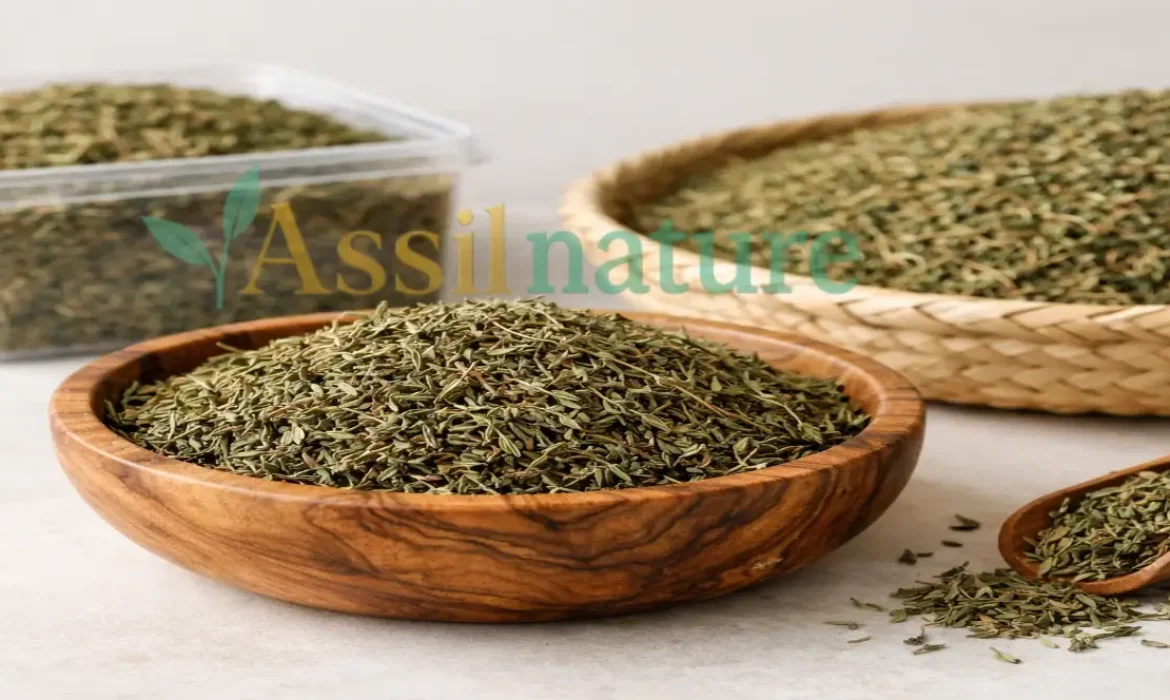
Moroccan Thyme: Quality, Uses & Export Applications
Moroccan thyme is widely recognized as one of the most valued medicinal herbs exported from Morocco. Known for its aromatic strength and consistent quality, thyme from Moroccan regions has become a preferred ingredient across multiple international
markets.
Global demand for Moroccan thyme continues to grow due to its versatility in herbal products, culinary applications, and natural formulations. Buyers sourcing thyme increasingly focus on origin, processing standards, and export readiness when selecting
suppliers.
This article explores the quality characteristics of Moroccan thyme, its primary uses, and how it is positioned within global export applications.

Why Moroccan Thyme Is Highly Valued in Global Markets
Moroccan thyme benefits from favorable growing conditions that support strong aromatic profiles and stable quality. Natural environments, combined with traditional harvesting knowledge, contribute to its international reputation.
From a commercial perspective, Moroccan thyme offers consistency that buyers require for scalable sourcing. Exporters are increasingly aligning processing and quality control practices to meet international standards.
As a result, Moroccan thyme remains a strategic herb for importers seeking reliable supply and adaptable applications across different industries.
Quality Characteristics of Moroccan Thyme
The quality of Moroccan thyme is defined by a combination of natural growing conditions, harvesting practices, and post-harvest processing. These factors contribute to the herb’s aromatic intensity, visual consistency, and suitability for international trade.
Buyers evaluating thyme for export applications typically assess physical appearance, aromatic profile, and overall material stability rather than relying on origin alone.
Aromatic Profile and Sensory Quality
Moroccan thyme is known for its strong, distinctive aroma, which reflects the plant’s natural adaptation to local environmental conditions. The intensity and balance of its aromatic notes are key indicators of quality for importers and formulators.
Consistent aroma across batches signals controlled harvesting and processing practices, making Moroccan thyme suitable for large-scale commercial use.
Physical Appearance and Processing Standards
High-quality Moroccan thyme typically displays uniform leaf size, clean appearance, and minimal foreign material. Proper drying and handling help preserve color and structural integrity during storage and transport.
Processing standards, including sorting and packaging, play an important role in maintaining export-ready quality. Buyers often favor suppliers who demonstrate clear post-harvest control measures.
Stability and Export Readiness
Stability is essential for thyme destined for international markets. Moisture control and appropriate packaging help protect quality throughout the export supply chain.
When these quality characteristics are consistently maintained, Moroccan thyme meets the expectations of global buyers seeking reliable and scalable herbal ingredients.
Uses and Applications of Moroccan Thyme
Moroccan thyme is valued internationally for its versatility across multiple industries. Its aromatic strength and consistent quality make it suitable for a wide range of commercial applications beyond traditional local use.
Global buyers typically select thyme based on how well it integrates into their production processes, formulations, and market requirements.
Culinary and Food Industry Applications
In the food sector, Moroccan thyme is widely used as a natural flavoring ingredient. Its robust aroma and stability make it suitable for dried herb blends, seasoning mixes, and food manufacturing processes.
Food producers favor thyme that maintains consistent sensory quality across batches, allowing for standardized recipes and scalable production.
Herbal and Botanical Product Applications
Moroccan thyme is commonly incorporated into herbal preparations and botanical products where aromatic intensity and raw material consistency are essential.
For manufacturers, reliable sourcing and predictable quality support formulation efficiency and long-term product development.
Industrial and Functional Applications
Beyond food and herbal uses, thyme is also applied in industrial contexts such as natural extracts, aroma-based products, and functional ingredient development.
In these applications, buyers prioritize traceability, processing standards, and export readiness to ensure smooth integration into downstream manufacturing.
Export Applications and Buyer Demand
Moroccan thyme plays an important role in international herbal trade due to its adaptability across export applications and consistent market demand. Buyers sourcing thyme often focus on how well the product aligns with regulatory requirements and commercial use cases.
Export demand for Moroccan thyme is driven by its reputation for quality, stable supply, and suitability for bulk trade. These factors support its continued presence in global herbal markets.
Bulk Export and Commercial Distribution
Moroccan thyme is commonly exported in bulk formats to serve large scale buyers and distributors. Bulk packaging allows importers to manage costs and apply further processing according to their own production needs.
Exporters typically offer thyme in standardized grades and packaging options to meet buyer specifications and simplify logistics.
Market Demand and Buyer Expectations
Global demand for Moroccan thyme reflects buyer interest in consistent aromatic herbs that integrate easily into commercial supply chains. Importers value suppliers who demonstrate reliable quality control and transparent export practices.
As international markets continue to emphasize traceability and compliance, Moroccan thyme remains competitive due to evolving export standards and buyer-focused sourcing strategies.
Quality Control and Export Considerations
Quality control is a decisive factor in the export of Moroccan thyme. While aromatic strength and appearance attract initial interest, buyers ultimately rely on quality systems to ensure consistency, safety, and export compliance.
Export-oriented suppliers apply quality control measures throughout harvesting, drying, processing, and packaging stages to protect thyme quality before shipment.
Post-Harvest Handling and Drying Standards
Proper post-harvest handling helps preserve the aromatic profile and physical integrity of Moroccan thyme. Drying conditions, in particular, influence moisture stability and long-term storage performance.
Buyers often evaluate drying practices as part of supplier qualification, as discussed in analyses of drying methods affecting medicinal herb quality, which explain how post-harvest processes impact export readiness.
Quality Documentation and Buyer Assurance
Export-quality Moroccan thyme is typically supported by documentation that confirms batch traceability, processing standards, and quality parameters. These records provide buyers with confidence before shipment approval.
Quality documentation also aligns with broader quality control in medicinal herb export, which defines how suppliers demonstrate reliability and compliance in international trade.
Moroccan Thyme as a Reliable Export Ingredient
Moroccan thyme continues to hold a strong position in international herbal markets due to its consistent quality, versatile applications, and export readiness. Its aromatic profile and adaptability across food, botanical, and industrial uses make it a practical choice for global buyers.
When supported by controlled post-harvest handling, quality documentation, and reliable export practices, Moroccan thyme integrates smoothly into commercial supply chains. These factors reduce sourcing risk and support long-term procurement strategies.
As global demand for aromatic medicinal herbs grows, Moroccan thyme remains a strategic export ingredient for buyers seeking dependable origin, scalable supply, and professionally managed quality standards.
For a broader export overview, explore our complete guide to Moroccan medicinal herbs, which connects quality, applications, and global trade dynamics.
Frequently Asked Questions
Why is Moroccan thyme widely exported?
Moroccan thyme is exported due to its consistent aromatic quality, reliable supply,
and suitability for food, herbal, and industrial applications in global markets.
How do buyers evaluate the quality of Moroccan thyme?
Buyers typically assess aromatic profile, visual cleanliness, moisture stability,
and post-harvest handling standards before confirming export orders.
What are the main uses of Moroccan thyme in international markets?
Moroccan thyme is used across food manufacturing, herbal products, and industrial
applications where consistent aroma and raw material quality are required.
Is Moroccan thyme suitable for bulk export?
Yes. Moroccan thyme is commonly supplied in bulk formats, allowing importers to
manage costs and apply further processing after arrival.
What role does post-harvest handling play in thyme export quality?
Post-harvest handling, including drying and storage, helps preserve aroma,
stability, and export readiness throughout the supply chain.
Which buyers typically source Moroccan thyme?
Moroccan thyme is commonly sourced by food producers, herbal brands, ingredient
distributors, and manufacturers seeking scalable aromatic herbs.
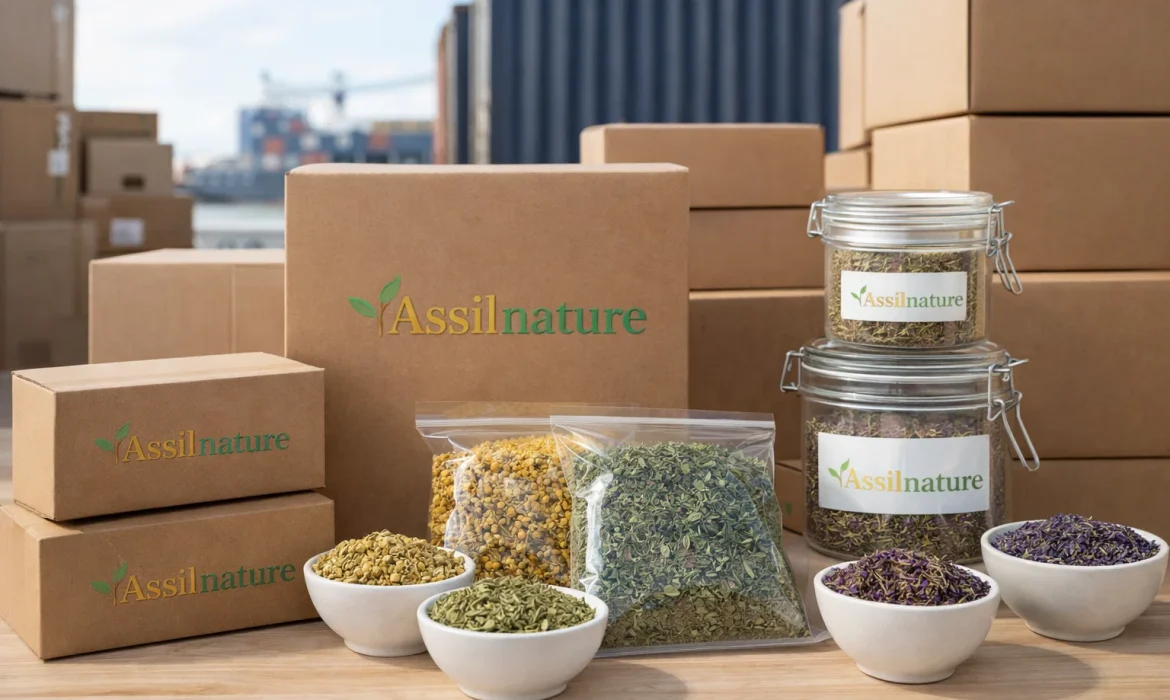
How to Import Medicinal Herbs from Morocco
Importing medicinal herbs from Morocco has become an increasingly attractive option for global buyers seeking reliable supply, natural quality, and competitive sourcing conditions. Morocco’s position as a major producer of medicinal and aromatic plants has made it a key origin for international herbal trade.
However, successful import operations require more than product availability. Buyers must understand export procedures, packaging standards, documentation requirements, and bulk supply logistics to ensure smooth and compliant transactions.
This article explains how to import medicinal herbs from Morocco, outlining the key steps buyers follow to move from sourcing to shipment while minimizing risk and ensuring export readiness.
Why Morocco Is a Strategic Source for Medicinal Herb Import
Morocco offers a combination of geographic, agricultural, and trade related advantages that support medicinal herb export. Its diverse climates allow the cultivation and harvesting of a wide range of herbal species used in global markets.
From a trade perspective, Morocco benefits from established export infrastructure, proximity to European and Middle Eastern markets, and growing experience in bulk herbal supply. These factors contribute to shorter transit times and predictable logistics for importers.
For buyers seeking stable sourcing options, Morocco represents a balance between traditional herbal production and modern export capabilities, making it a practical origin for long-term import strategies.
For a broader export perspective, explore our complete guide to Moroccan medicinal herbs, which connects sourcing, processing, and bulk export strategies.
Key Steps to Import Medicinal Herbs from Morocco
Identifying Reliable Herbal Suppliers
The first step in importing medicinal herbs is selecting a reliable supplier. Buyers typically evaluate suppliers based on product consistency, export experience, quality control practices, and communication transparency. Experienced exporters are able to provide detailed product specifications, explain processing methods, and share relevant documentation. These indicators help buyers assess whether a supplier can meet long-term import needs.Defining Product Specifications and Quality Requirements
Clear product specifications are essential before confirming any order. Importers define parameters such as plant part, cut size, moisture range, cleanliness, and intended use to ensure alignment between buyer expectations and supplier capabilities.These steps align with broader quality control in medicinal herb export, ensuring consistency and compliance throughout the supply chain.
Establishing specifications early reduces misunderstandings and supports smoother quality verification during inspection and laboratory testing.Understanding Regulatory and Compliance Basics
Medicinal herbs may fall under food, supplement, or cosmetic regulations depending on their intended application. Importers must confirm which standards apply in their destination market before shipment. Compliance requirements often include laboratory testing, proper labeling, and export documentation. Addressing these requirements at the planning stage helps avoid delays and complications during customs clearance.Packaging Options for Medicinal Herb Import
Packaging plays a crucial role in preserving medicinal herb quality during storage and international transport. For importers, selecting appropriate packaging solutions helps protect products from contamination, moisture exposure, and physical damage.
Packaging choices often depend on product type, shipment volume, destination market requirements, and intended use after import.
Bulk Packaging for Commercial Import
Bulk packaging is commonly used for large-scale medicinal herb imports. Herbs are typically packed in woven polypropylene bags, paper sacks with inner liners, or food-grade cartons designed to support ventilation and moisture control.
Bulk formats allow buyers to optimize shipping costs and handle further processing, such as cutting, milling, or blending, after arrival. Clear labeling and batch identification are essential to support traceability in bulk shipments.
Protective Packaging and Moisture Control
Medicinal herbs are sensitive to humidity and environmental changes during transport. Protective packaging solutions may include inner liners, moisture barriers, or sealed layers that reduce exposure to external conditions.
Effective moisture control helps maintain stability and supports consistent laboratory results upon arrival. Importers often specify packaging standards to align with quality control and storage requirements.
Labeling and Handling Considerations
Proper labeling is an integral part of export-ready packaging. Labels typically include product name, batch reference, net weight, origin, and handling instructions where required by regulations.
Clear and compliant labeling supports customs clearance and internal inventory management, ensuring smoother import operations for medicinal herbs.
Packaging and transport decisions are influenced by drying methods affecting medicinal herb quality, which impact stability during shipment.
Bulk Supply Volumes and Export Logistics
Bulk supply planning and export logistics are central to successful medicinal herb imports from Morocco. Buyers must align order volumes, transport methods, and delivery terms to ensure cost efficiency and supply continuity.
Understanding how bulk quantities are handled and shipped allows importers to plan accurately and avoid logistical disruptions.
Typical Bulk Quantities and Order Planning
Medicinal herbs are commonly supplied in bulk quantities ranging from several hundred kilograms to multiple metric tons, depending on product availability and buyer demand. Suppliers usually define minimum order quantities (MOQs) based on processing and export efficiency.
Buyers planning long-term imports often consolidate orders to optimize shipping costs and maintain consistent stock levels throughout the year.
Export Logistics and Shipping Methods
Bulk medicinal herb shipments are typically transported via sea freight for cost efficiency, especially for large volumes. Air freight may be used for smaller or time-sensitive shipments but generally involves higher costs.
Export logistics include container loading, documentation preparation, and coordination with freight forwarders to ensure compliance with international shipping requirements.
Incoterms and Delivery Responsibilities
Clear agreement on Incoterms is essential when importing medicinal herbs. Commonly used terms include EXW, FOB, and CIF, each defining the division of cost and responsibility between supplier and buyer.
Understanding Incoterms helps buyers manage risk, anticipate additional costs, and coordinate transport arrangements more effectively.
Documentation and Import Compliance
Proper documentation and regulatory compliance are essential when importing medicinal herbs from Morocco. Even when product quality and logistics are well managed, incomplete or incorrect paperwork can delay shipments or result in customs issues.
Importers must ensure that all required documents are prepared accurately and aligned with destination market regulations before shipment departure.
Common Export and Import Documents
Medicinal herb shipments typically require a set of standard export documents, including commercial invoices, packing lists, and certificates of origin. These documents confirm product details, shipment value, and country of origin.
Depending on destination requirements, additional documentation such as laboratory test reports, phytosanitary certificates, or compliance declarations may be necessary to support customs clearance.
Regulatory Classification and Intended Use
The regulatory classification of medicinal herbs depends on their intended application. Products may be regulated as food ingredients, dietary supplements, cosmetic inputs, or pharmaceutical raw materials depending on local laws.
Importers should confirm regulatory classification early in the sourcing process to ensure correct documentation and avoid reclassification issues at entry points.
Customs Clearance and Risk Prevention
Customs authorities may conduct inspections or request additional information during import procedures. Clear documentation, traceability, and compliance records reduce the likelihood of delays or shipment rejection.
Working with experienced customs brokers or freight forwarders helps importers navigate regulatory requirements and minimize operational risk.
Importing Medicinal Herbs with Confidence and Compliance
Importing medicinal herbs from Morocco requires a structured approach that combines reliable sourcing, clear specifications, appropriate packaging, and regulatory compliance. When these elements are aligned, import operations become more predictable and cost-effective.
By understanding supplier selection, bulk packaging options, export logistics, and documentation requirements, buyers can reduce operational risk and ensure smoother customs clearance. This preparation supports consistent quality and long-term supply stability.
As global demand for medicinal herbs continues to grow, Morocco remains a strategic origin for importers seeking dependable supply chains. A well-planned import process allows buyers to build sustainable partnerships and operate with confidence in international herbal trade.
Frequently Asked Questions
What documents are required to import medicinal herbs from Morocco?
Common documents include a commercial invoice, packing list, certificate of origin,
and any required laboratory or phytosanitary reports depending on destination regulations.
Are medicinal herbs shipped in bulk from Morocco?
Yes. Most commercial imports use bulk packaging formats designed to protect quality
during storage and international transport.
How do buyers ensure quality before shipment?
Buyers typically define clear product specifications and may request laboratory testing
and batch documentation prior to export.
Which shipping methods are commonly used?
Sea freight is the most common option for bulk shipments, while air freight may be used
for smaller or time-sensitive orders.
Is Morocco a reliable long-term source for medicinal herb import?
Morocco offers diverse production regions, established export infrastructure, and
increasing compliance experience, making it a practical sourcing origin.
- If you are exploring bulk sourcing or import opportunities, understanding specifications and compliance early can simplify the process. Buyers often begin by reviewing available supply options and documentation before initiating formal discussions.
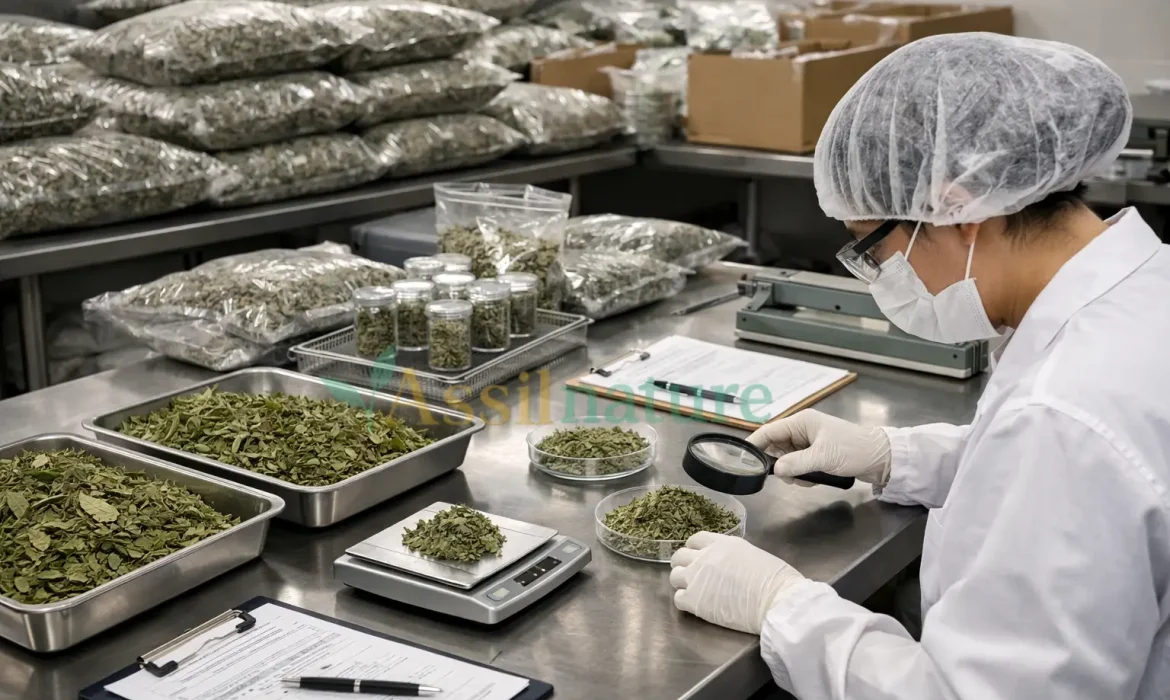
Quality Control in Medicinal Herb Export
Quality control plays a central role in the export of medicinal herbs, especially as global buyers demand higher levels of safety, consistency, and regulatory compliance. In international trade, quality is not defined by appearance alone, but by measurable standards that ensure herbs meet laboratory, storage, and end-use requirements.
For exporters and suppliers, effective quality control systems reduce risk, protect market access, and build long-term trust with buyers. For importers, quality control provides assurance that herbal raw materials will perform reliably in further processing, formulation, or retail distribution.
This article explores how quality control is applied in medicinal herb export, the key risks it addresses, and the systems buyers rely on when evaluating suppliers in global herbal supply chains.
Why Quality Control Is Critical in Global Herbal Trade
Medicinal herbs are highly sensitive agricultural products. Their quality can be affected at multiple stages, from cultivation and harvest to drying, storage, and transport. Without structured quality control, variability and contamination risks increase significantly.
In global trade, quality control serves as a protective framework that ensures herbal materials remain safe, stable, and compliant as they move across borders. This is particularly important for markets with strict regulatory oversight, where failure tmeet standards can result in shipment rejection or long-term supplier exclusion. For buyers, quality control is not a formality but a decision-making tool.
Suppliers that demonstrate clear quality control procedures are viewed as lower-risk partners, capable of delivering consistent products at scale. As demand for medicinal herbs continues to grow, quality control has become a defining factor in competitive export success.
Key Quality Risks in Medicinal Herb Export
Quality risks are inherent in the export of medicinal herbs due to their natural variability and sensitivity to handling conditions. Identifying and controlling these risks is a core objective of any effective quality control system. Global buyers assess quality risks not only to protect consumer safety, but also to ensure regulatory compliance and long-term supply reliability. The following risk areas are among the most critical in herbal export operations.
Contamination and Microbial Risks
Medicinal herbs are vulnerable to contamination from environmental, biological, and handling-related sources. Microbial contamination, including bacteria, molds, and yeasts, can occur if harvesting, drying, or storage conditions are not properly
controlled.
Contaminants may originate from soil contact, water exposure, poor hygiene practices, or inadequate storage facilities. Without preventive quality measures, these risks can compromise product safety and lead to laboratory non-compliance.
Buyers prioritize suppliers who implement contamination control protocols, including clean handling environments and routine testing, to minimize these risks before export.
Moisture Levels, Stability, and Shelf Life
Moisture content is one of the most decisive quality parameters in medicinal herb export. Excess moisture increases the risk of microbial growth, chemical degradation, and reduced shelf stability during storage and transport.
Inconsistent moisture levels can result from improper drying or exposure to humidity after processing. These issues often become apparent during laboratory evaluation or after shipment arrival, creating costly quality disputes.
Effective quality control systems closely monitor moisture levels to ensure herbs remain stable and export-ready throughout the supply chain.
Variability in Active Compounds
Medicinal herbs naturally vary in their chemical composition, but uncontrolled processing can amplify this variability. Inconsistent levels of active compounds may affect product performance and suitability for downstream applications.
Factors such as uneven drying, prolonged storage, or exposure to excessive heat can alter chemical profiles. As a result, buyers often rely on laboratory data to verify that herbal materials meet defined quality specifications.
Suppliers that manage these variables through standardized processes are better positioned to deliver consistent quality across export shipments.
Laboratory Testing as a Core Quality Control Tool
Laboratory testing is a fundamental component of quality control in medicinal herb export. While visual inspection and handling practices provide initial indicators, laboratory analysis delivers objective data that confirms safety, stability, and regulatory compliance.
For global buyers, laboratory results reduce uncertainty and support informed sourcing decisions. Testing verifies that herbal materials meet predefined specifications before entering international markets.
Modern quality control systems integrate laboratory testing at multiple stages of the export process, ensuring consistent quality from origin to destination.
What Laboratories Evaluate in Medicinal Herbs
Laboratories assess a range of quality parameters, including microbial limits, moisture content, and chemical consistency. These analyses help identify contamination risks and detect quality deviations that may not be visible during physical inspection.
To understand the scope of these evaluations in detail, buyers often review laboratory evaluation of medicinal herbs, which explains how scientific testing supports quality assurance in herbal trade.
Laboratory Results and Export Compliance
Laboratory documentation plays a critical role in export compliance. Many destination markets require test reports that confirm herbs meet safety thresholds and quality standards prior to shipment clearance.
Incomplete or inconsistent laboratory data can delay shipments, trigger inspections, or result in rejection at port of entry. For this reason, buyers favor suppliers who maintain reliable laboratory partnerships and standardized testing protocols.
By integrating laboratory testing into quality control systems, exporters strengthen buyer confidence and reduce regulatory risk in medicinal herb export operations.

Post-Harvest Handling and Its Impact on Export Quality
Post-harvest handling represents one of the most sensitive phases in medicinal herb export. After harvesting, herbs are exposed to environmental and handling related factors that can significantly influence quality before they reach international markets.
Quality control systems focus heavily on this stage, as improper post-harvest handling can undermine otherwise high-quality raw materials and introduce risks that are difficult to correct later in the supply chain.
The Role of Drying in Post-Harvest Quality Control
Drying is a critical post-harvest process that directly affects moisture control, stability, and shelf life. Inadequate drying conditions can lead to microbial growth, chemical degradation, and inconsistent laboratory results.
Buyers and quality managers increasingly evaluate drying practices as part of supplier qualification. To better understand this relationship, many refer to detailed analyses of drying methods affecting medicinal herb quality, which explain how drying influences laboratory outcomes and export readiness.
Storage, Packaging, and Transport Considerations
Beyond drying, storage and packaging conditions play a vital role in preserving herbal quality during export. Exposure to humidity, poor ventilation, or unsuitable packaging materials can compromise stability and lead to quality deterioration.
Quality control systems address these risks by defining storage parameters, selecting appropriate packaging solutions, and monitoring conditions throughout transport. These measures help ensure that medicinal herbs arrive at destination markets in compliance with buyer expectations and regulatory standards.
Documentation and Traceability Requirements for Export
In medicinal herb export, documentation and traceability are essential components of quality control. Beyond product quality itself, buyers and regulatory authorities require clear records that demonstrate how herbal materials were sourced, processed, and tested.
Well-structured documentation systems support transparency, reduce compliance risk, and enable faster resolution of inspections or audits in international trade.
Export Documentation and Quality Records
Export documentation typically includes laboratory reports, batch identification records, processing descriptions, and shipping details. These documents help confirm that medicinal herbs meet agreed quality and safety specifications.
For buyers, access to consistent and verifiable quality records strengthens confidence in the supplier’s control systems. Incomplete or unclear documentation, on the other hand, may raise concerns regardless of the physical quality of the product.
Traceability Across the Supply Chain
Traceability allows exporters and buyers to track medicinal herbs from origin through processing and export. This capability is particularly important in the event of quality deviations, regulatory inquiries, or recall scenarios.
Effective traceability systems link batches to specific harvests, processing steps,
and laboratory results. By maintaining this continuity, suppliers demonstrate accountability and readiness for international compliance requirements.
For global buyers, traceability is not merely a regulatory formality—it is a key indicator of professional supply chain management and long-term reliability.
To place quality control within a broader export context, explore our complete guide to Moroccan medicinal herbs, which explains how origin, processing, and compliance shape global herbal trade.
How Buyers Evaluate Supplier Quality Control Systems
For global buyers, quality control systems are a key indicator of supplier reliability. Beyond individual test results, buyers assess how quality is managed systematically across sourcing, processing, and export operations.
Suppliers with structured quality control frameworks are viewed as lower-risk partners, capable of delivering consistent products that meet regulatory and commercial expectations over time.
Consistency, Transparency, and Risk Management
Buyers evaluate consistency by reviewing historical performance, batch records, and laboratory results across multiple shipments. Reproducible quality outcomes indicate that processes are controlled rather than dependent on chance.
Transparency is equally important. Suppliers who openly share quality documentation, processing methods, and test data demonstrate accountability and professionalism. This transparency reduces uncertainty and supports long-term sourcing relationships.
From a risk management perspective, buyers favor suppliers who proactively identify and mitigate quality risks rather than reacting to problems after shipment.
Long-Term Partnerships and Market Access
Quality control systems directly influence a supplier’s ability to access and retain international markets. Consistent compliance with quality standards reduces the likelihood of shipment delays, rejections, or regulatory sanctions.
For buyers, partnering with quality driven suppliers simplifies procurement and supports scalable growth. Over time, strong quality control practices become a competitive advantage rather than a cost.
As a result, quality control is often the foundation upon which long term buyer–supplier relationships are built in medicinal herb export.
Quality Control as a Foundation for Export Trust
Quality control is the cornerstone of successful medicinal herb export. In global markets where safety, consistency, and compliance are non-negotiable, structured quality control systems provide the assurance buyers require before entering long-term sourcing relationships.
By addressing risks related to contamination, moisture stability, processing, and documentation, quality control protects both suppliers and importers from regulatory and commercial uncertainty. It transforms herbal raw materials into export-ready products that meet international expectations.
As demand for medicinal herbs continues to expand worldwide, exporters who prioritize quality control are better positioned to access regulated markets, maintain buyer confidence, and build sustainable, trust-based supply chains.
Frequently Asked Questions
Why is quality control essential in medicinal herb export?
Quality control ensures medicinal herbs meet safety, consistency, and regulatory requirements before entering international markets. It reduces sourcing risk and supports long-term buyer trust.
What are the main quality risks in medicinal herb export?
Key risks include contamination, improper moisture levels, inconsistent chemical profiles, and incomplete documentation that may lead to shipment rejection.
How does laboratory testing support export quality control?
Laboratory testing verifies safety parameters, moisture stability, and consistency, providing objective data required for regulatory compliance and buyer approval.
Why is post-harvest handling important for export quality?
Post-harvest handling, especially drying and storage, directly affects stability, laboratory outcomes, and shelf life during international transport.
How do buyers evaluate supplier quality control systems?
Buyers assess consistency, documentation, transparency, and historical performance to determine supplier reliability and long-term sourcing potential.
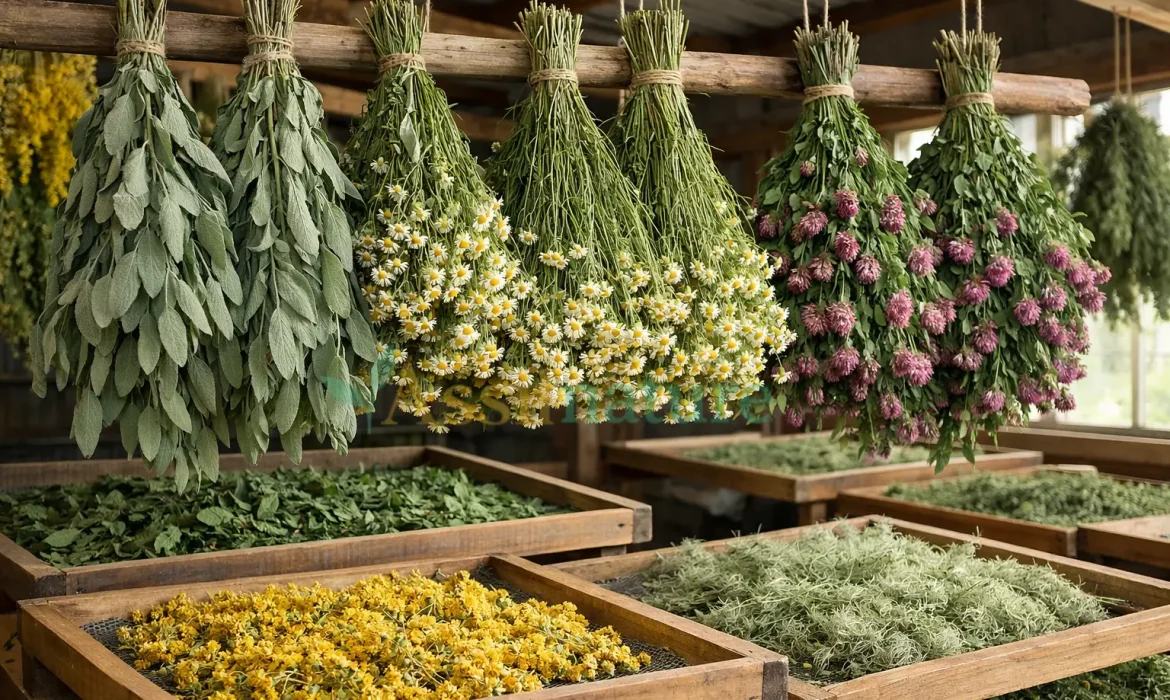
How Drying Methods Affect Medicinal Herb Quality
How Drying Methods Affect Medicinal Herb Quality?

Drying is one of the most decisive stages in the processing of medicinal herbs. While cultivation and harvesting determine initial quality, drying methods largely define whether that quality is preserved, compromised, or lost before the product reaches laboratories and international markets.
Different drying methods for medicinal herbs influence moisture levels, physical stability, and overall material consistency. Improper drying can lead to quality variability, reduced shelf stability, and unfavorable laboratory results, even when the raw plant originates from optimal growing conditions.
This article explores how drying methods affect medicinal herb quality, examines common post-harvest drying approaches, and explains why controlled drying practices are essential for meeting laboratory expectations and export requirements. For buyers and quality-focused suppliers, understanding this stage is key to building reliable and compliant herbal supply chains.
- Drying quality builds upon initial growing conditions such as Moroccan climate for herbal potency, which influence the raw material before post-harvest processing begins.
Why Drying Methods Matter in Medicinal Herb Quality
Drying methods play a decisive role in determining whether medicinal herbs retain their intended quality after harvest. This stage bridges the gap between cultivation and further processing, making it one of the most sensitive points in the herbal supply chain.
Even when herbs are grown under favorable environmental conditions, improper drying can negatively affect stability, appearance, and overall material integrity. As a result, drying practices directly influence how herbal raw materials perform during laboratory evaluation and commercial use.
Drying as a Critical Post-Harvest Step
Once medicinal herbs are harvested, natural degradation processes begin immediately. Drying is applied to reduce moisture content and slow these processes, helping to preserve the material in a usable and stable form.
This step requires careful control, as excessive heat, prolonged drying time, or uneven airflow can alter physical characteristics and compromise consistency. Effective drying methods balance moisture reduction with the preservation of the herb’s structural and compositional integrity.
For laboratories and buyers, well-managed drying serves as an early indicator of professional handling and quality-focused processing.
Common Quality Risks Linked to Improper Drying
Improper drying introduces several quality risks that may not be visible during initial inspection. These risks can include uneven moisture distribution, physical degradation, and instability during storage.
Such issues often become apparent only during laboratory testing, where inconsistent results or failed safety parameters raise concerns. In international trade, these outcomes may lead to shipment delays, rejection, or increased scrutiny.
Understanding these risks highlights why drying methods are not merely technical details but essential quality determinants in medicinal herb sourcing.
Drying efficiency plays a key role within overall quality control in medicinal herb export, supporting stability and export readiness.
Overview of Common Drying Methods
Medicinal herbs are dried using a range of methods that vary in complexity, cost, and level of control. Each approach influences the final quality of the herb in different ways, making the choice of drying method a critical decision for suppliers and processors.
Understanding the most common drying techniques helps buyers and quality teams better evaluate processing practices and anticipate potential quality outcomes.
Air Drying & Shade Drying
Air drying and shade drying are among the most traditional methods used for medicinal herbs. These techniques rely on natural airflow and ambient conditions to gradually reduce moisture content without direct exposure to intense heat.
When properly managed, shade drying can help preserve physical structure and reduce stress on sensitive plant materials. However, the process is highly dependent on environmental factors such as humidity, temperature, and airflow.
Without adequate control, air drying may result in uneven moisture levels or prolonged drying times, which can increase the risk of quality variability and storage instability.
Mechanical & Controlled Drying
Mechanical and controlled drying methods use equipment designed to regulate temperature, airflow, and drying duration. These systems provide a more consistent and predictable drying environment compared to traditional approaches.
Controlled drying allows processors to standardize conditions across batches, supporting uniform moisture reduction and improved repeatability. This consistency is particularly important for suppliers serving laboratories and regulated export markets.
While mechanical drying requires greater investment, it is often favored in professional processing operations where quality consistency and compliance are prioritized.
Impact of Drying on Chemical & Physical Properties
Drying methods influence both the physical structure and the chemical profile of medicinal herbs. While drying is essential for preservation, the conditions under which it is performed can determine how well key quality attributes are maintained.
Laboratories and buyers pay close attention to these effects, as they directly affect stability, consistency, and suitability for further processing.
Moisture Control & Stability
Effective moisture control is one of the primary objectives of drying medicinal herbs. Reducing moisture to appropriate levels helps limit microbial growth and improves shelf stability during storage and transport.
Inconsistent drying may result in uneven moisture distribution within a batch, creating areas that are more prone to degradation. Such variability can lead to instability over time and increase the likelihood of quality deviations detected during laboratory testing.
Controlled drying practices support uniform moisture reduction, making the material more predictable and reliable for commercial use.
Preservation of Key Compounds
Drying conditions can influence the preservation of naturally occurring compounds that characterize medicinal herbs. Excessive heat or prolonged exposure to unsuitable conditions may alter the overall chemical profile of the raw material.
Rather than focusing on potency claims, laboratories assess whether drying practices help maintain expected compositional characteristics within acceptable ranges. This consistency is essential for quality control and batch-to-batch comparability.
By applying appropriate drying methods, suppliers can better preserve the intrinsic qualities of herbs and meet laboratory expectations for compositional stability.
Drying Methods and Laboratory Evaluation Outcomes
- The impact of drying methods becomes most evident during laboratory evaluation. Even subtle variations in drying conditions can influence analytical results, affecting how medicinal herbs are classified, approved, or rejected for commercial use.
For laboratories, drying quality is often reflected indirectly through test outcomes rather than visual inspection alone.
The impact of drying becomes evident during laboratory evaluation of medicinal herbs, where moisture control and consistency directly influence test results.
How Improper Drying Affects Test Results
Improper drying can introduce inconsistencies that complicate laboratory analysis. Variations in moisture content or structural integrity may lead to irregular test readings and reduced reproducibility.
These inconsistencies can raise questions during quality assessment, prompting additional testing or closer scrutiny. In regulated markets, such outcomes may delay approval or require corrective action from suppliers.
From a buyer’s perspective, unstable laboratory results signal increased risk and may affect sourcing decisions.
Consistency Across Batches
Laboratories often evaluate multiple batches over time to assess consistency. Drying methods that lack control or standardization tend to produce wider variation between batches.
Consistent drying practices support more predictable laboratory outcomes, making it easier for quality teams to establish acceptable specifications and long-term benchmarks.
For suppliers aiming to serve international markets, batch consistency achieved through reliable drying methods is a key factor in building trust with laboratories and buyers alike.
Drying Methods and Laboratory Evaluation Outcomes
The impact of drying methods becomes most evident during laboratory evaluation. Even subtle variations in drying conditions can influence analytical results, affecting how medicinal herbs are classified, approved, or rejected for commercial use.
For laboratories, drying quality is often reflected indirectly through test outcomes rather than visual inspection alone.
How Improper Drying Affects Test Results
Improper drying can introduce inconsistencies that complicate laboratory analysis. Variations in moisture content or structural integrity may lead to irregular test readings and reduced reproducibility.
These inconsistencies can raise questions during quality assessment, prompting additional testing or closer scrutiny. In regulated markets, such outcomes may delay approval or require corrective action from suppliers.
From a buyer’s perspective, unstable laboratory results signal increased risk and may affect sourcing decisions.
Consistency Across Batches
Laboratories often evaluate multiple batches over time to assess consistency. Drying methods that lack control or standardization tend to produce wider variation between batches.
Consistent drying practices support more predictable laboratory outcomes, making it easier for quality teams to establish acceptable specifications and long-term benchmarks.
For suppliers aiming to serve international markets, batch consistency achieved through reliable drying methods is a key factor in building trust with laboratories and buyers alike.
How Buyers Assess Drying Quality in Sourcing Decisions
For global buyers, drying quality is a key indicator of how professionally medicinal herbs have been handled after harvest. While drying is often invisible in the final product, its effects are reflected in stability, laboratory results, and long-term usability.
Buyers increasingly evaluate drying practices as part of a broader quality and risk assessment strategy.
Processing Transparency & Supplier Reliability
Suppliers who can clearly explain their drying methods demonstrate a higher level of operational transparency. This transparency helps buyers assess whether quality control measures are in place throughout the post-harvest process.
Consistent and well-documented drying practices signal reliability and reduce uncertainty during supplier qualification. In contrast, vague or undocumented drying processes may raise concerns, even when the raw material appears visually acceptable.
For buyers operating in regulated markets, transparent processing is often as important as laboratory test results themselves.
Long-Term Storage & Export Readiness
Drying quality directly influences how medicinal herbs perform during storage and international transport. Herbs that are dried to stable moisture levels are less likely to degrade during extended storage or shipment.
Export-ready materials must maintain quality from origin to destination. Effective drying practices help ensure that herbs arrive in a condition that matches laboratory specifications and buyer expectations.
As a result, buyers favor suppliers whose drying methods support long-term stability and reduce post-import quality risks.
Drying as a Foundation of Herbal Quality
Drying methods represent a foundational stage in determining the final quality of medicinal herbs. While cultivation and harvest establish initial potential, drying practices ultimately shape stability, consistency, and suitability for laboratory evaluation and international trade.
Well-managed drying helps preserve physical integrity, supports predictable laboratory outcomes, and reduces quality risks during storage and transport. In contrast, inadequate or poorly controlled drying can undermine otherwise high-quality raw materials and complicate sourcing decisions.
For buyers, laboratories, and quality-focused suppliers, understanding how drying methods affect medicinal herb quality is essential for building reliable supply chains. As global markets continue to demand higher standards, drying practices will remain a critical link between origin, science, and long-term trust in herbal sourcing.
- For a broader understanding of how processing, testing, and sourcing connect, explore our complete guide to Moroccan medicinal herbs for global buyers.
Frequently Asked Questions
Why are drying methods critical for medicinal herb quality?
Drying methods determine moisture control, stability, and consistency of medicinal herbs. Proper drying preserves quality, while improper drying can lead to instability and failed laboratory evaluations.
How does drying affect laboratory test results?
Uneven or poorly controlled drying may cause inconsistent moisture levels and structural changes, leading to variable or unreliable laboratory test outcomes.
What is the difference between air drying and controlled drying?
Air drying relies on ambient conditions and natural airflow, while controlled drying uses regulated temperature and airflow to achieve more consistent and predictable results.
Can good-quality herbs fail testing due to poor drying?
Yes. Even herbs grown under ideal conditions may fail laboratory evaluation if drying practices compromise stability or consistency.
How do buyers evaluate drying quality when sourcing herbs?
Buyers assess drying quality through supplier transparency, laboratory results, storage stability, and batch consistency over time.